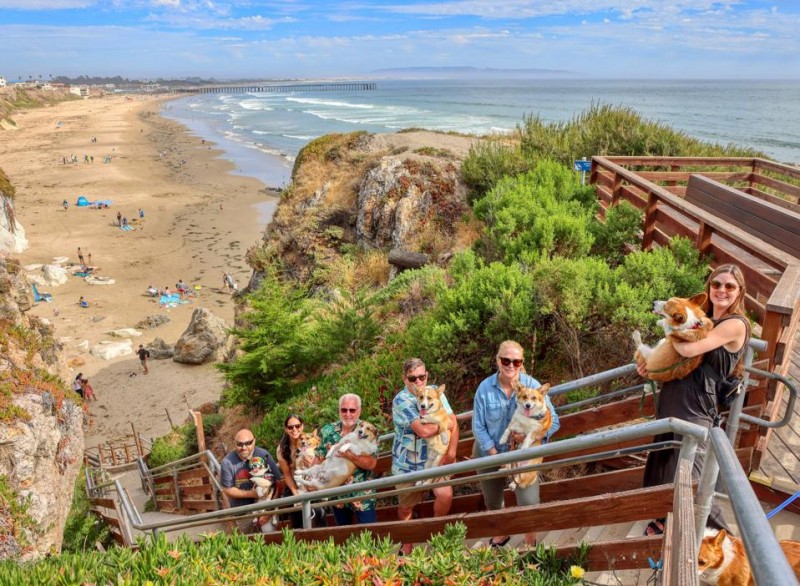
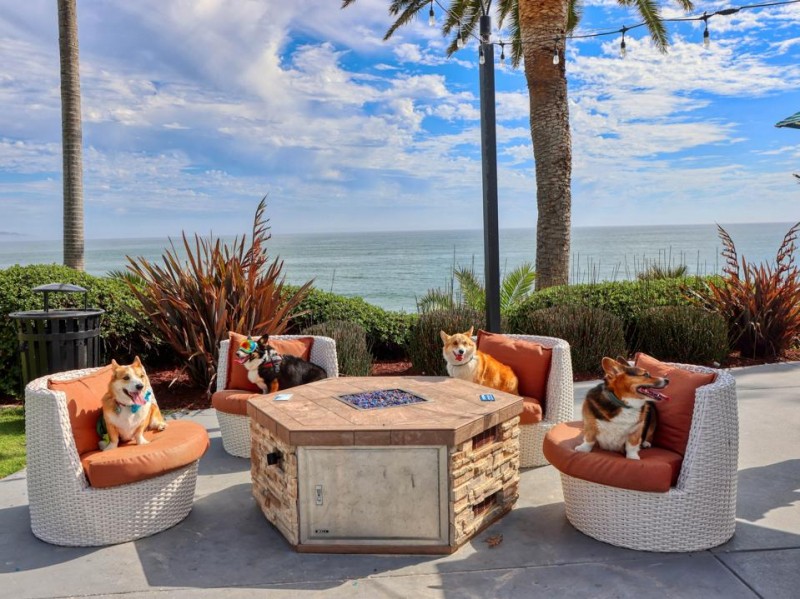
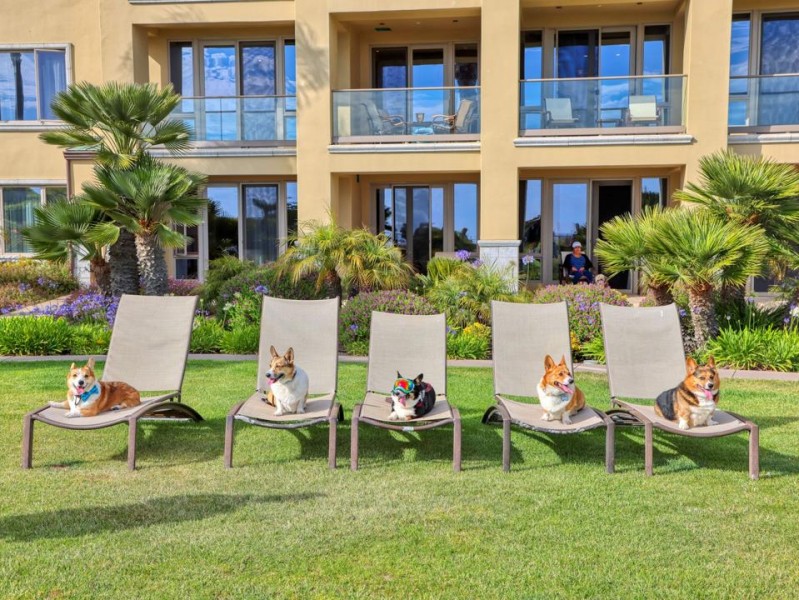
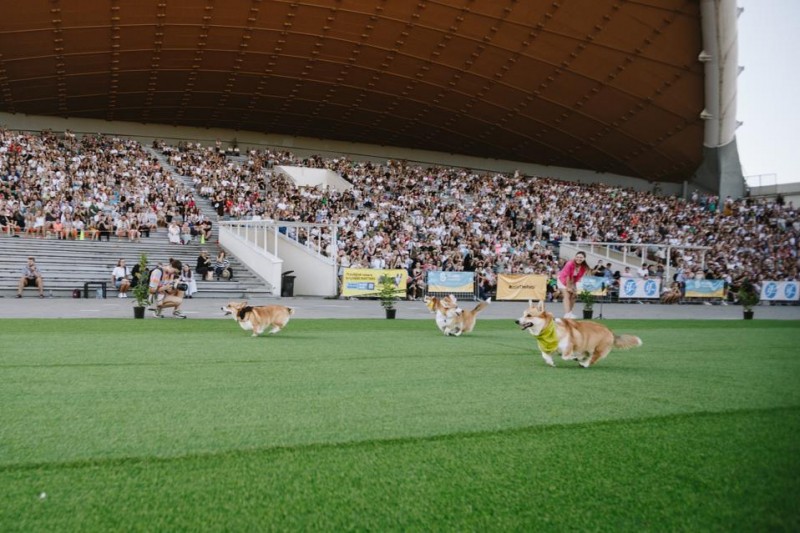
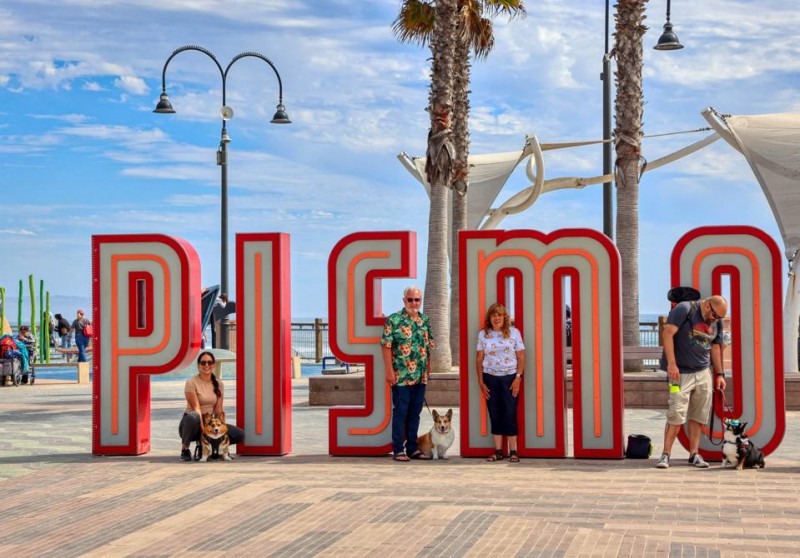
Hundreds Of Corgis To Return To Pismo Beach For Corgi Nation Vacation

Социальный GPS для цифровых кочевников помогает преодолеть одиночество в 47 странах через архитектуру человеческих связей.

A retirement in Europe could be one of the safest in the world—as well as one of the most fulfilling and affordable
Some of the retirement havens I recommend to potential expats aren’t exactly household names in North America—some folks might never even have heard of them.
Others are in parts of Europe that, at first glance, might feel a little “too far east” for comfort, and I often get notes from readers asking if it’s really safe in these places.
I’d never suggest anyone move to or even visit a place that is unsafe. Every destination I recommend is one I’ve explored myself, often with my family, and where I know expats happily living today—people who keep me updated on daily life and conditions on the ground.
Of course, it’s impossible to say that anyplace is 100% trouble-free. There’s crime in every corner of the world, and common sense goes a long way to making sure you steer clear of any potential danger.
But when it comes to the countries I recommend, everyone who has ever visited them on my recommendation has reported back an overall feeling of security, peace, and tranquility—to an extent that they say they haven’t felt back home in a long time.
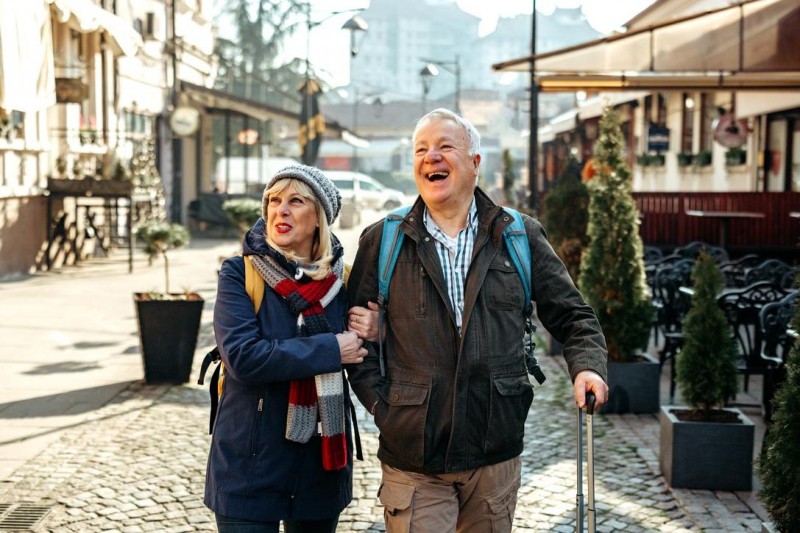
Explore these lesser-known European countries in complete saftey and security…
What’s more, many of these countries have been given the highest safety ranking in the U.S. State Department’s official Travel Advisories.
Here are a few of my favorite, lesser-known spots in Europe that Washington says are as safe as it gets…
This little island is blessed with year-round warm weather, more sunshine than anyplace else in Europe, clear blue waters, and over 400 miles of coastline. The flowers that blossom across the valleys of the island give way to the mountains where you can hike year-round and even ski in winter.
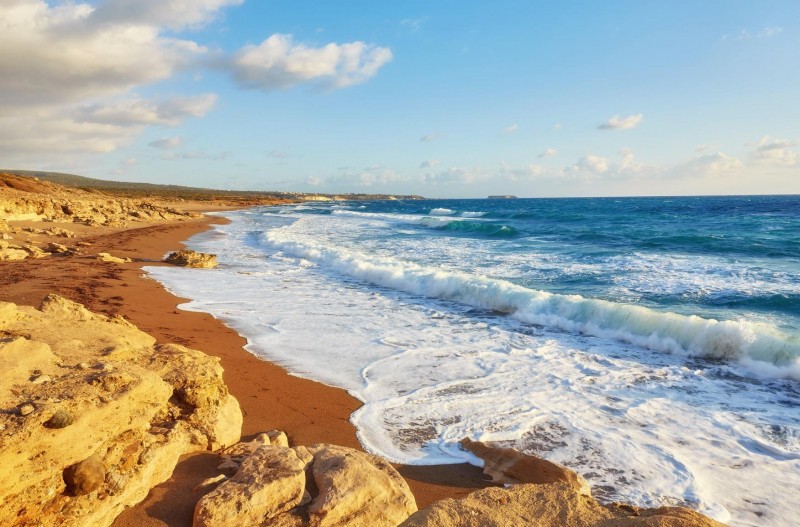
Cyprus has about 400 miles of sandy beaches surrounded by stunning blue Mediterranean waters that are warm year-round.
Formerly a British colony, English is widely spoken in Cyprus, and it’s easy to do business. It also offers a welcoming expat community, a rich culture, and delicious, healthy cuisine.
It ranked as the 13th safest country in the world by Global Finance in 2024 and 68th safest country in the world in the 2025 Global Peace Index (for reference, the United States sites at 128). And it has some of the lowest homicide rates in the world.
Montenegro is a great place to vacation, live in, or retire to. It offers stunning scenery, rich history, warm waters, prestigious marinas, and diverse recreation opportunities—you can ski the slopes in the morning and swim in the Adriatic Sea in the afternoon.
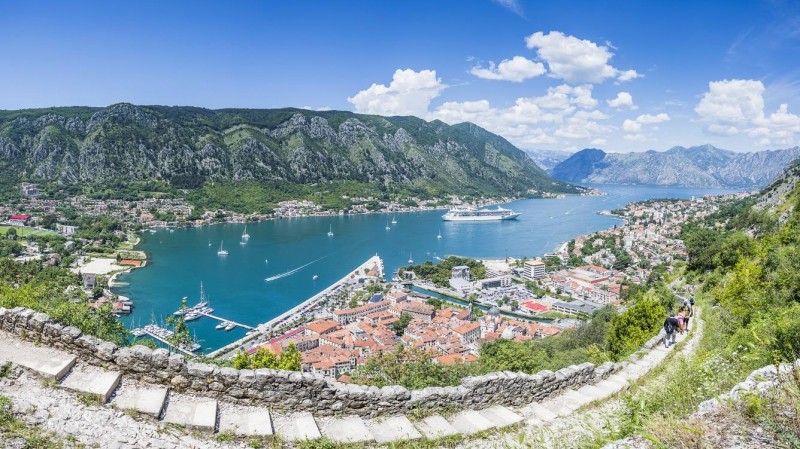
Montenegro's most iconic seaside city, Kotor, and its stunning bay are one of the top destinations in this small country
This little country ranked 34th safest country in the world in the 2025 Global Peace Index.
Bulgaria is an under-the-radar country found in the eastern portion of the Balkans in Southeast Europe. It has a coastline on the Black Sea nicknamed the Bulgarian Riviera, and has a geographic position in the world that has influenced its fascinating history and culture.
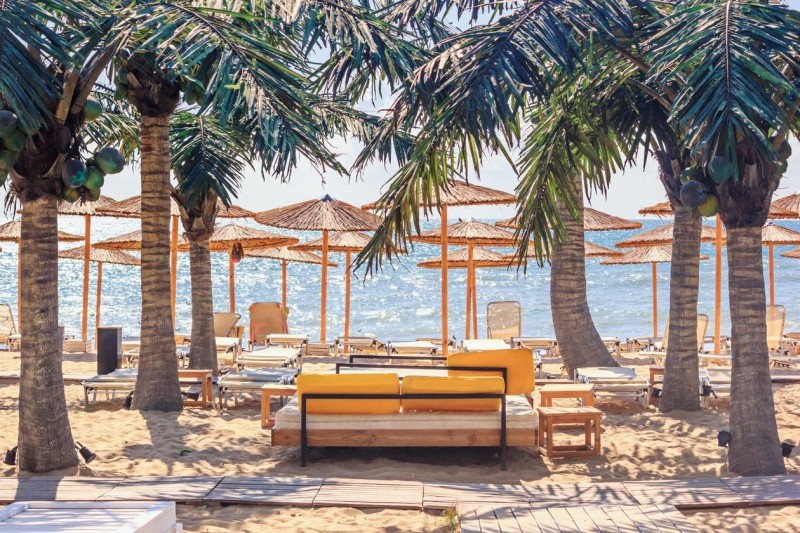
The Bulgarian Riviera might not be mainstream to North Americans, but it's a popular beach destination in this region
It has a reputation as one of the most affordable destinations in Europe, and it offers endless things to see and do, from Black Sea beaches to hiking in its many mountains to UNESCO World Heritage Sites and culture-rich cities.
Plus, it ranked as the 29th safest country in the world in the 2025 Global Peace Index.
The old town of Bucharest, Romania, is the only part of this city to have escaped Nicolae Ceausescu's bulldozers. More recently, this historic area has undergone some restoration. Bucharest’s Old Town today offers walking streets, sidewalk cafes, churches, museums, and restaurants, and the city in general shares Europe's urban history, culture, and fondness for the arts, architecture, and education.
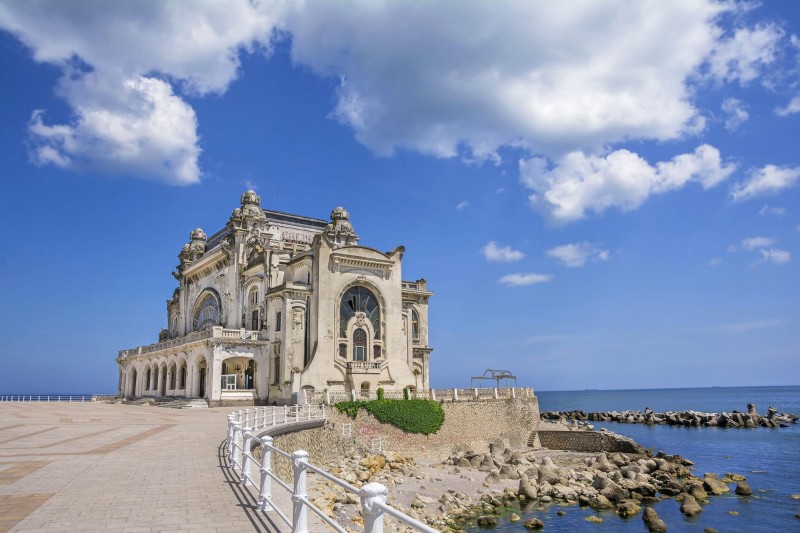
Romania's coastline is dotted with beautiful architecture and historical sites
Romanian is a romance language that’s relatively easy for Westerners to pick up, unlike the other languages spoken in this part of Europe.
Eastern Europe's homicide rate ranges from 0.8 to 2.1 per 100,000, meaning these countries are among the safest globally, including Romania, Croatia, Czechia, Hungary, Slovakia, and Slovenia.
Romania itself ranked 38th on the 2025 Global Peace Index.
Croatia’s natural beauty is breathtaking… pristine turquoise sea, dramatic sloping vineyards, picturesque cobblestone streets, historic churches and castles, all surrounded by fields of grapes, olives, and lavender.
Just as impressive is its manmade legacy. Walled city Dubrovnik is especially famous for its gorgeous 13th century architecture, used as the backdrop in “Game of Thrones,” as well as several movies. Diocletian’s Palace in Split is arguably the world’s first ever purpose-built retirement home, built by the
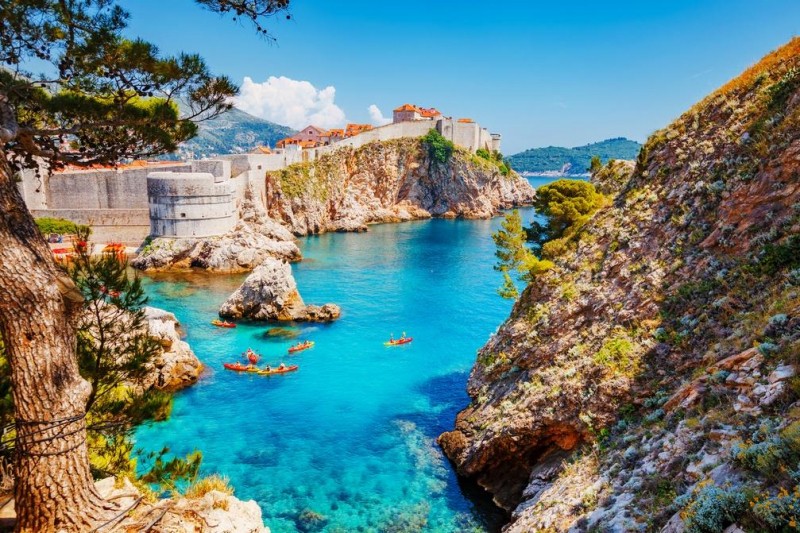
Croatia has so much to offer in such a small space—from natural attractions to historical monuments
first Roman emperor to abdicate his position in 305 A.D.
Croatia is the 19th safest country in the world according to the 2025 Global Peace Index and has an exceptionally low homicide rate.
Prague, the famed City of a Hundred Spires, is often compared to Paris, magnificent riverside city and open-air museum that it is…
But this country has a lot more to it than just its capital city…
With 17 UNESCO World Heritage Sites, picturesque medieval cities, castles and forts, rolling landscapes…
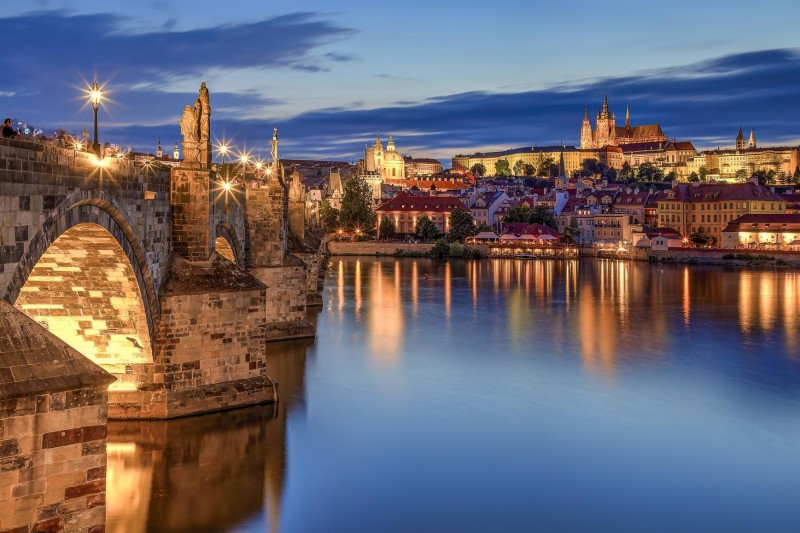
Prague, the "City of 100 Spires," is one of the most beautiful—and safe—cities in the world
As well as being a top hiking destination, offering ski and snow sports in winter, with wine country and spa towns with historic thermal baths,
Plus, it has the claim to fame of being the birthplace of pilsner, with Pilsner Urquell brewery tours, along with a local brand.
With the impressive ranking of 11th safest country in the world in the 2025 Global Peace Index, this is one of the safest countries in Europe.
One of the oldest countries in Europe, Hungary is a destination with a complex history, beautiful architecture, rich cultural traditions, and thermal baths galore.
Capital city Budapest is breathtaking. If you’re a fan of architecture, you won’t tire of admiring the riot of architectural styles on display, which span about eight centuries.

Budapest is one of the most famous riverside cities in Europe, popular for its architecture, nightlife, and low costs—not to mention safety
Sometimes called the Capital of Spas and Thermal Baths, Budapest sits on a fault line and its 9 medicinal baths are fed by over 120 hot springs which have been enjoyed since the time of the Celts
Hungary came in as the 17th safest country in the world in the 2025 Global Peace Index.
A small country where fairy-tale castles teeter on mountain peaks, medieval towns send you back to the past, and the High Tatras mountain range offers excellent hiking and skiing options. Add thermal spas, hearty cuisine, giant beers, and some of Europe’s most affordable lifestyles, and you’ve got a safe bet for a happy retirement in the heart of Europe but at one of its lowest costs.
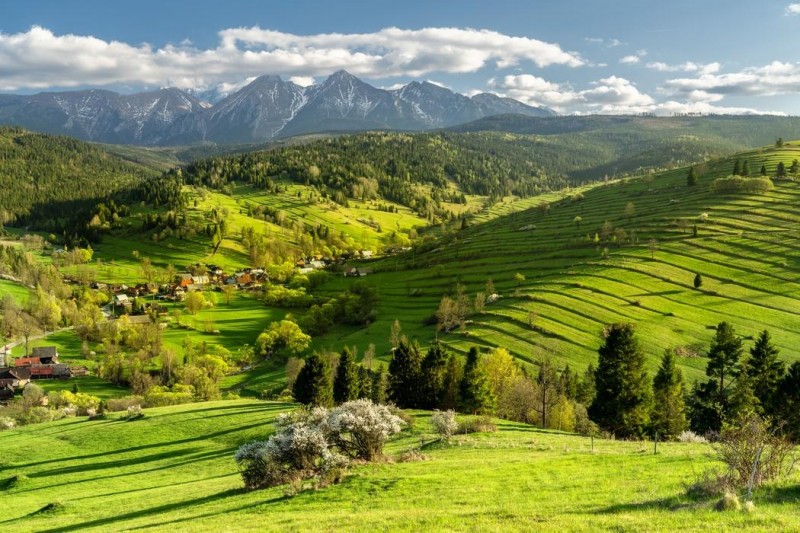
Slovakia has some of the most beautiful and under appreciated landscapes in Europe
On top of all that, it ranked 28th safest country in the world in the 2025 Global Peace Index.
Slovenia is one of the most attractive living options in Europe, combining the best of Western European culture, international-standard dining, a young and vibrant population, and easy access to all the outdoor amenities you can dream of—all at a fraction of the cost of comparable lifestyles in other countries.
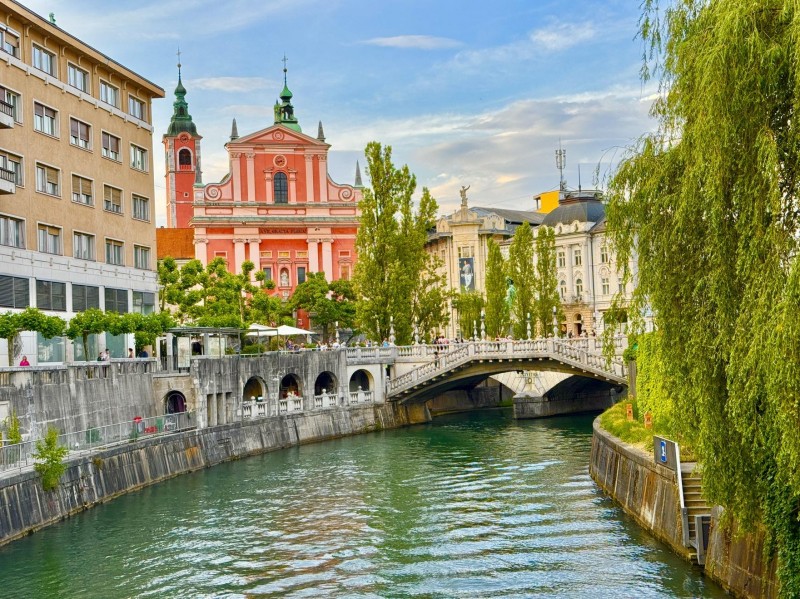
Ljubljana, Slovenia’s capital, is a little jewel box of beautiful architecture
With 47 kms of Adriatic coastline, dotted by charming, colorful fishing villages, and its own just as spectacular but lesser-known corner of the Alps, Slovenia is an idyllic retirement destination.
Ranked 9th safest country in the world in the 2025 Global Peace Index, this country claims the title of safest country on this list.
Forbes8 Things To Know About Cyprus—Europe’s Affordable Beach ParadiseForbes4 Senior-Friendly Destinations In EuropeForbesWhere To Retire In Europe For As Little As $1,865 Per MonthForbesWhere You Can Live In Europe For $2,000 A Month—Or Less
Социальный GPS для цифровых кочевников помогает преодолеть одиночество в 47 странах через архитектуру человеческих связей.

AERIAL VIEW OF NSUMBU NATIONAL PARK
The vehicle jolts as we bump along the track, tall grass almost obliterating the road. In the back stands Innocent Siame, one of Nsumbu’s game rangers, holding on tight. A VHF receiver is raised above his head, and headphones are pressed tightly against his ears. The faint beep of the telemetry equipment grows stronger, then fades again as he rotates the antenna. Somewhere ahead, hidden in the miombo woodland, there are lions, three individuals, reintroduced to Nsumbu National Park only months earlier, their movements tracked daily to monitor their progress in this recovering ecosystem.
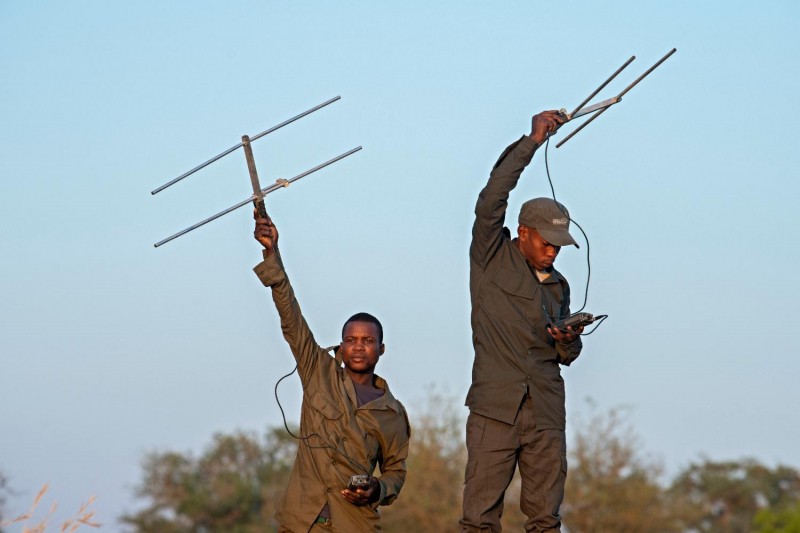
Telemetry tracking of the lions
We drive on, slowly, scanning the bush for signs—a rustle in the undergrowth, the flash of a tawny coat, perhaps even the circling of vultures overhead. The lions, fitted with GPS collars when they were translocated into the park, are more than predators, they are symbols of Nsumbu’s revival, proof that a landscape once decimated by poaching can roar again.
We found the lions at last, feeding on a puku kill, calm and in their element. Seeing them there, completely at home, was remarkable.
In its prime, Nsumbu National Park, on the northernmost tip of Zambia, was one of the country’s richest wildlife areas. Situated along the southern shores of Lake Tanganyika, the world’s second longest and second deepest lake, Nsumbu’s 772 square miles of woodland, rivers, and beaches once supported elephants, buffalo, zebra, and lions in abundance. But the 1970s and 1980s brought devastation.
Demand for ivory, instability spilling over from neighboring Congo, and an unrelenting bushmeat trade, transformed Nsumbu into a poacher’s stronghold. Wire snares killed indiscriminately, decimating populations of everything from bushbuck to buffalo. By the 1990s, the lions, leopards and rhinos were gone, the elephants scattered, and the park was a hollow echo of its former self.

The lakeshore, Nsumbu National Park
Zambia has set aside almost a third of its land as national parks and game management areas, but the scale of the protection needed for this much land requires strong partnerships. Recognizing Nsumbu’s ecological potential and the urgent need for intervention, the Frankfurt Zoological Society entered into a long-term conservation partnership with Zambia’s Department of National Parks and Wildlife, and in 2017, the Nsumbu Tanganyika Conservation Programme was formed. Their mission was ambitious: halt poaching, rebuild ecosystems, reintroduce lost wildlife, and ensure local communities benefited from the park’s revival.
The early years focused on restoring security. NTCP invested in ranger training, surveillance, and intelligence networks. Thousands of wire snares were removed. Dozens of poachers were arrested. Patrols expanded into remote corners of the park where wildlife had once thrived.

Thousands of snares have been removed from the bush

Camera traps are used for wildlife monitoring throughout the park
Gradually, the results started to be seen. Antelope such as puku, reedbuck, and roan began to return in greater numbers. Camera trap grids and distance transects confirmed what rangers were seeing on the ground; wildlife populations were stabilizing, even growing.
As ecosystems recovered, NTCP began wildlife reintroductions, to restore the ecological balance. In 2021, 200 buffalo and 48 zebras were translocated to Nsumbu, not only to re-establish grazing dynamics but also to provide prey for the predators that conservationists hoped one day to bring back.
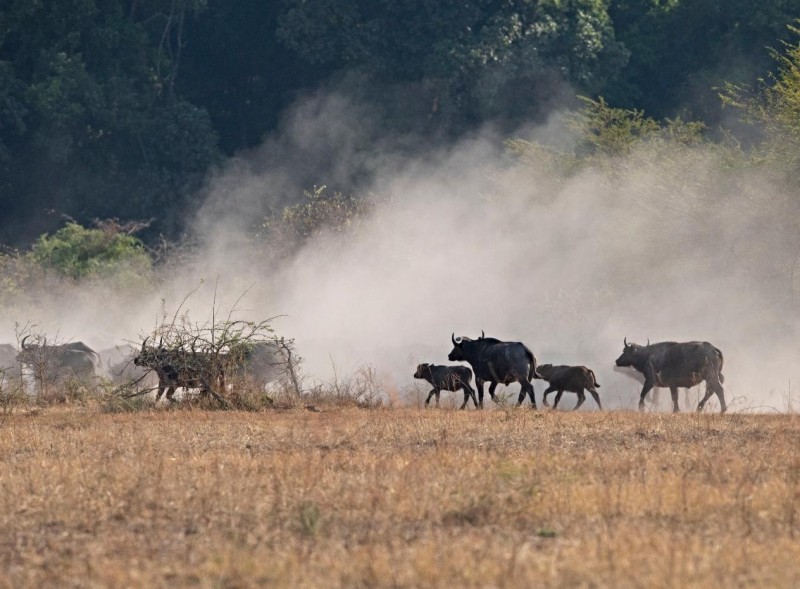
In 2021, 200 buffalo were translocated to Nsumbu
By September 2024, conditions were right for the most symbolic reintroduction of all—the return of lions.
The entire operation was the result of years of ecosystem recovery, extensive community engagement, careful planning, and cooperation between Zambia’s Department of National Parks and Wildlife and NTCP, along with technical support from the Zambian Carnivore Programme and a series of grants from the Lion Recovery Fund.
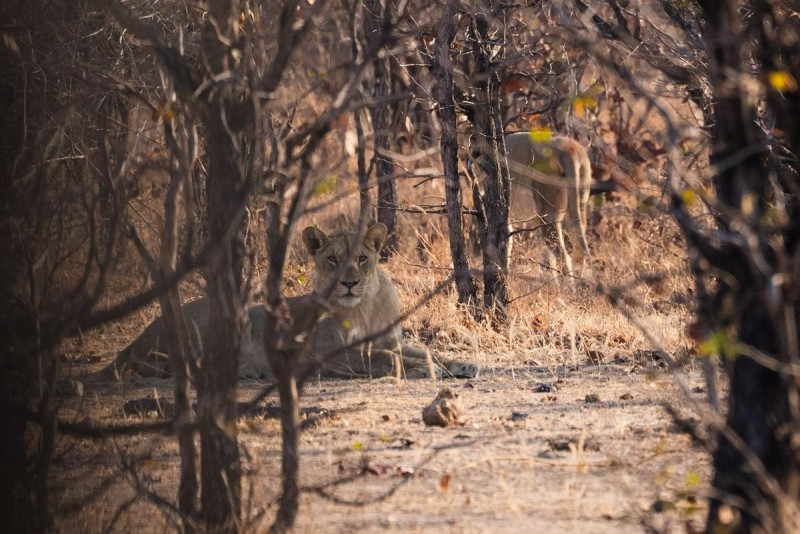
Lion in North Luangwa National Park, prior to capture for relocation
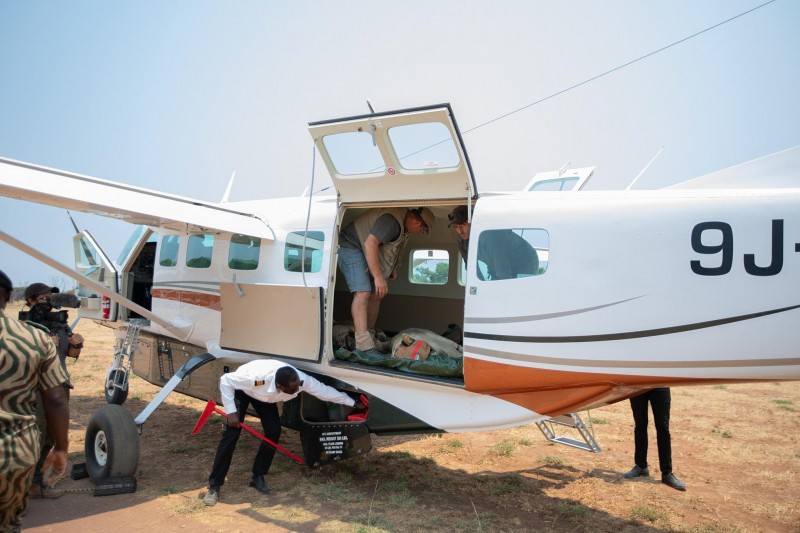
The lions were air-lifted from North Luangwa National Park to Nsumbu National Park
Two lionesses from one pride and a young male from another, were captured in North Luangwa National Park, 250 miles away, flown to Nsumbu, and housed in a holding boma (large enclosure) to acclimatize before release.
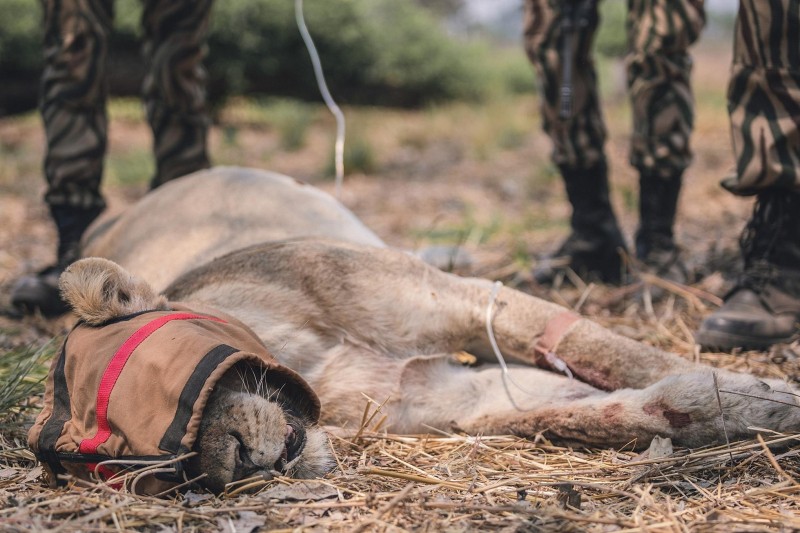
Lion arrival in Nsumbu National Park
For the local Nsama Chiefdom, whose royal clan name is Abashimba, “Clan of the Lion”, the return of lions carried deep cultural resonance. At a community celebration, the lions were given names rooted in tradition and community significance—Chisama Kabobole, after a revered chief; Katimbilwa Mali, honoring a respected sub-chieftainess; and Sufina, after the NTCP’s environmental education program.
When the boma gates opened, the lions stepped back into a landscape that had been without their kind for nearly a decade. Rangers and scientists monitored them closely, tracking their hunts and movements. Within weeks, the lions were thriving; killing warthogs, bushbuck, and puku, gaining weight, and displaying the social cohesion critical for survival.
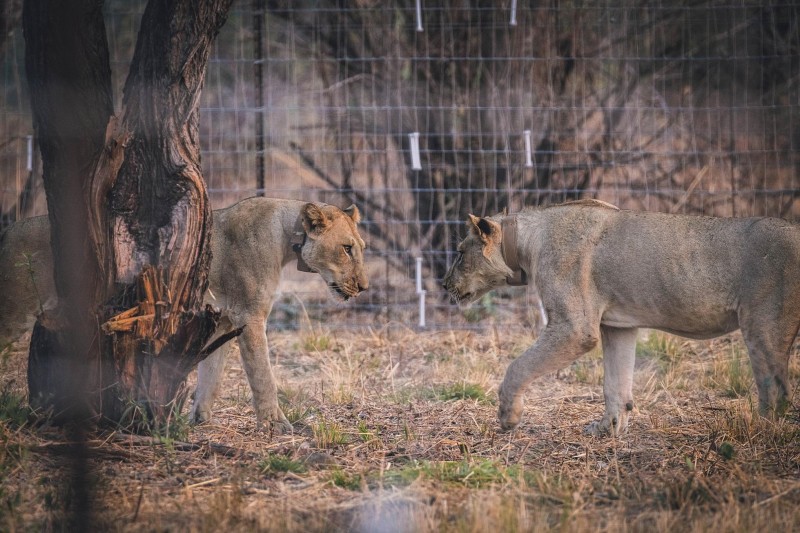
The two lionesses in the boma prior to release
For the first time in years, the night air in Nsumbu carried the sound of lions roaring, the ultimate sign that the ecosystem was healing. “This is just the beginning,” says Sam Chella, Senior Ranger in Nsumbu National Park. “Lions play a critical role in maintaining the balance of this ecosystem. If they thrive, the entire park will benefit, from the smallest insects to the largest mammals.”
Directed by respected cinematographers, Matt Blair and Mana Meadows, Abashimba — the return of lions to Nsumbu, follows the rebirth of Nsumbu, the reintroduction of the lions, and explores conservation and its effect on people, places and wildlife.
Nsumbu’s recovery isn’t only about wildlife. NTCP has made community engagement central to its strategy, recognizing that conservation can only succeed when local people see tangible benefits.
Over 60 people are employed directly by the program, from rangers and monitoring staff to construction crews for conservation infrastructure like fences and holding bomas. And in building a 9-mile-long electrified fence between the park and local villages, to reduce the chance of human-wildlife conflict, NTCP injected significantly into local wages and materials.
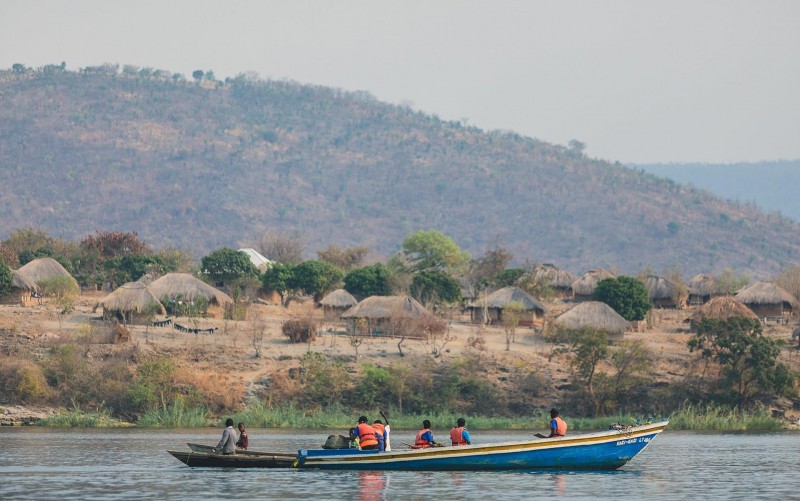
NTCP fisheries boat, working with the local communities
For many, the return of lions is also a tourism opportunity. “We see this as a blessing,” says Chanda Mwansa, a local fisherman. “The park is coming back to life, and if more visitors come, it will help our businesses. People will need guides, food, and places to stay. This is good for all of us.”
Today’s Nsumbu is a different place from the one it was a decade ago. Elephants gather again at the lakeshore. Buffalo and zebra herds graze the floodplains. And at night, the roar of lions echoes across Tanganyika.
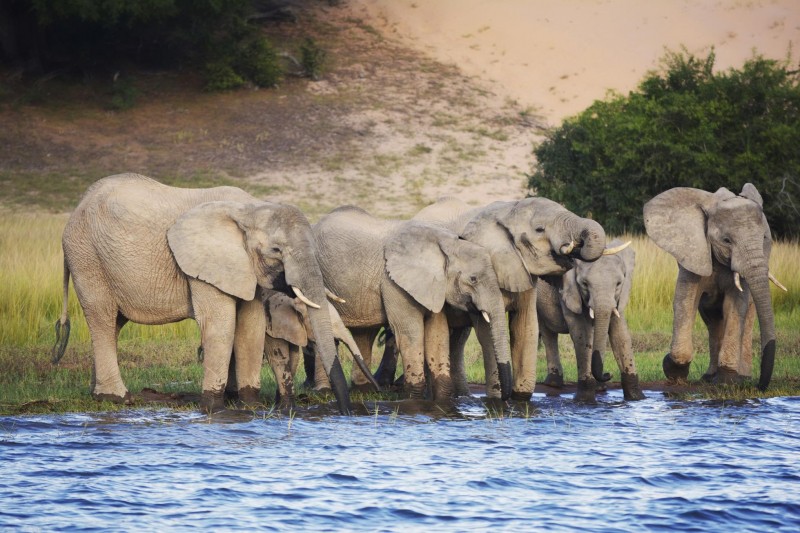
Elephants gather once more along the lakeshore
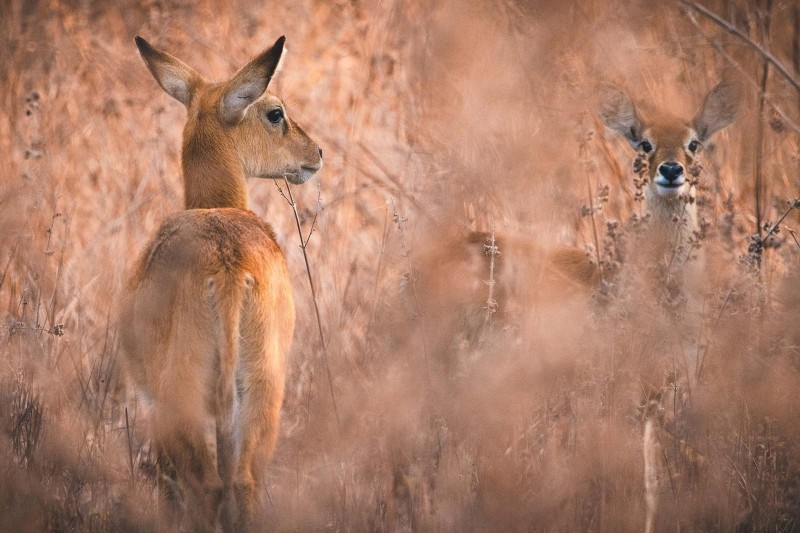
Puku thrive in the park once more
Nsumbu is a compelling example of conservation at work: a park once written off is now rebounding; with apex predators restored, wildlife numbers climbing and communities earning livelihoods from conservation. As game ranger Innocent Siame put it, as we watched the collared lions feeding on their kill, “If the lions thrive, the whole park thrives. And if the park thrives, so do we.”
For intrepid self-drivers, the journey from Lusaka takes around two days, either via a direct route to Nsumbu, where the final stretch is a gravel road, or to Mpulungu Harbour, where travellers can arrange a speedboat transfer or board the local ferry. Those looking for a quicker option can fly to Kasama, followed by a road transfer to Mpulungu and a private boat across the lake to Nsumbu. The most direct journey is by private charter flight straight into Chisala Airstrip within the park.
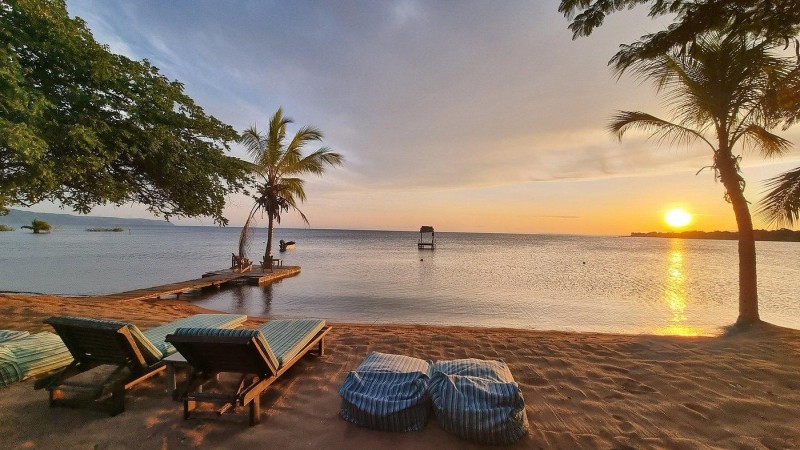
NDOLE BAY LODGE
Ndole Bay Lodge just north of the park, is located on the shores of Lake Tanganyika. They have a range of accommodation from beach front chalets to a campsite. The lodge offers fishing, scuba diving, snorkelling, boat cruises and trips into the national park.
Nsumbu receives few visitors, so it never feels crowded. From July to October, the middle to end of the dry season, the water dries up in the bush and the animals tend to stick closer to the lake, this is the best time for wildlife viewing. The thinner vegetation also means easier game viewing.
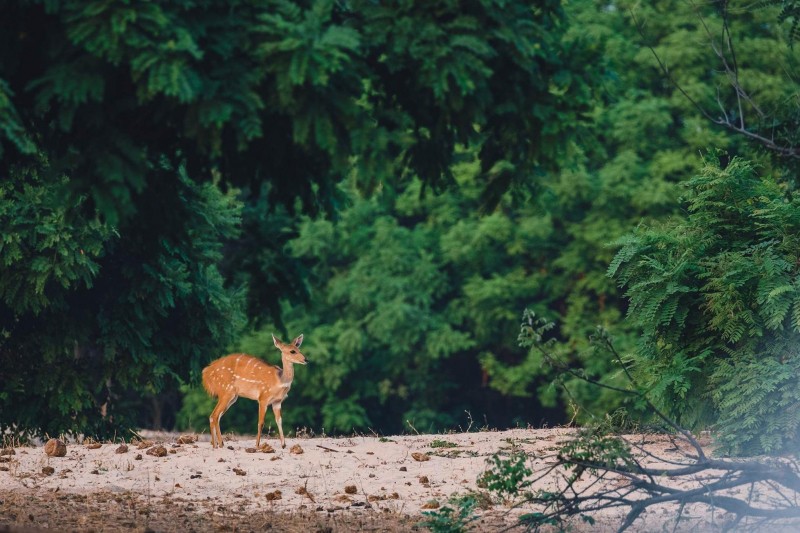
Bushbuck on the beach, Nsumbu National Park
During the rains, from November to April, the lake is at its most beautiful and this is a popular time to visit for angling. Most of the rain falls in thunderstorms, in the late afternoon or early morning, with lots of sunshine in between. Large numbers of migrant birds visit during the wet season and the landscapes are stunning with many perennial waterfalls visible from the lake. The terrestrial part of the park is mostly inaccessible during this time.
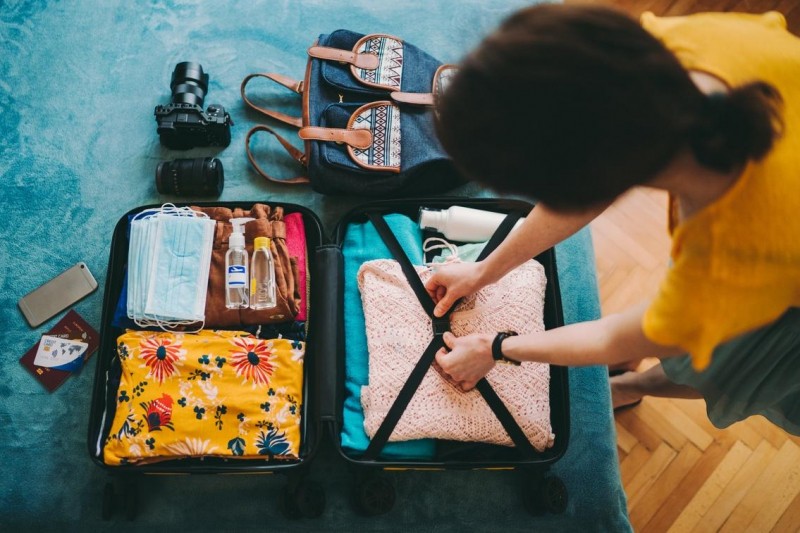

GLP-1 medications are widely used for managing type 2 diabetes and supporting weight loss, but traveling with these medications requires careful planning. Whether you're heading out for a vacation, business trip, or family visit, our expert advice will help you manage your GLP-1 treatment effectively while on the go. Plus, discover how to book hotels affordably with TRAVEL ADVANTAGE to make your trip seamless.
Proper storage is critical for GLP-1 medications to remain effective. Dr. Rani Aravamudhan, Senior Medical Director at Nomi Health, advises, "Store GLP-1 medications at 36-46°F (refrigerated) before first use. Once opened, they can be kept at room temperature for a limited time, depending on the specific medication. Always check the instructions on the packaging."
Avoid exposing GLP-1s to extreme temperatures or bright light. Opt for cool, dry storage at room temperature. Dr. Rani recommends, "When traveling, use TSA-approved insulated carry cases with cold gel or ice packs for unopened packs." For air travel, always keep medications in your carry-on luggage to protect them from extreme temperatures in checked baggage. When driving, store them in the passenger compartment, not the trunk.
Dr. Holly Lofton, a Board-Certified Obesity Medicine Physician at NYU Langone, suggests, "The Auvon Insulin Cooler Travel Case is ideal. It’s compact, TSA-approved, and can hold up to eight pens with cooling packs that stay cold during long flights."
Skipping a dose may sometimes be unavoidable, but it’s not ideal. Dr. Lofton explains, "Skipping one dose during travel is generally fine if it’s the patient’s preference. However, missing more than two doses can cause your stomach to return to normal emptying, leading to severe nausea or vomiting when you resume, especially at higher doses." Consult your healthcare provider if you anticipate missing multiple doses to discuss dose adjustments.
Dr. Rani adds, "Skipping two or more doses can lead to significant blood sugar fluctuations, so sticking to your schedule is best whenever possible."
Travel can disrupt your routine, diet, and hydration, potentially worsening GLP-1 side effects like nausea and constipation. Dr. Lofton notes, "Vacations often involve less water, more alcohol, or lower fiber intake, which can trigger constipation." To counter this, prioritize fiber-rich foods and stay hydrated. Trying new foods high in sugar or fat can also increase nausea risks, so choose balanced meals when possible.
Dr. Lofton recommends packing travel-friendly remedies, such as Advanced Herbals Ginger Chews, which are individually wrapped and effective for nausea caused by motion sickness or GLP-1 side effects. For constipation, she suggests Fleet Oral Laxative Stimulates or Fleet Liquid Glycerin Suppositories to keep your system on track.
Dr. Rani emphasizes maintaining your prescribed routine during travel. "If you’re engaging in activities like strenuous hikes, you may burn more calories, so pack snacks to avoid low blood sugar. Stay hydrated, especially in climates different from home, and prioritize sleep to combat jet lag during international travel."
Book your accommodations smartly with TRAVEL ADVANTAGE to ensure a comfortable stay that supports your health needs. Take advantage of a $100 guest coupon for free by signing up with MWR to save on your next booking.
Join TRAVEL ADVANTAGE with MWR Claim Your $100 Guest CouponTravel can intensify GLP-1 side effects like nausea and constipation due to changes in sleep, meal timing, and bathroom habits. A survey by Advanced Herbals found that 42% of GLP-1 users experience nausea, and 29% report constipation. These disruptions, combined with dietary changes, dehydration, or jet lag, can make symptoms feel more severe.
To manage side effects, prioritize consistent sleep, hydration, and light physical activity. Pack a GLP-1 “survival kit” with fiber snacks, ginger chews, and hydration aids. Dr. Lofton advises, "Powdered fiber supplements are easy to mix with liquids and help maintain regularity." She also suggests eating intuitively during jet lag, starting the day with protein-rich meals and reducing intake later.
Dr. Rani recommends avoiding long trips immediately after starting GLP-1 medications. "Establish a routine at home to understand how your body reacts before traveling. Stay in touch with your doctor to manage side effects effectively."
GLP-1 medications slow stomach emptying, helping you feel full longer but potentially causing nausea, bloating, or constipation. These side effects can be more pronounced during travel due to irregular schedules, processed foods, or dehydration from alcohol, caffeine, or salty snacks. Motion sickness and jet lag can further exacerbate symptoms.
Dr. Lofton suggests practical strategies: eat smaller, frequent meals, avoid greasy foods, and use natural remedies like ginger chews. Staying active and maintaining balanced nutrition can also help you stay on track with your health goals while enjoying your trip.



There are an estimated 6,600 roller coasters worldwide, offering thrilling experiences for adventure seekers in Europe, Asia, CIS countries like Russia, Ukraine, and Kazakhstan, and beyond. From classic wooden coasters to high-speed steel giants, roller coasters provide unmatched adrenaline rushes. Annually, about 385 million people enjoy roller coasters at North American amusement parks, taking over 1.7 billion rides. Whether you prefer the creaky sway of wooden coasters or the smooth, intricate designs of steel ones, there's something for every taste.
The first successful commercial roller coaster debuted in 1884 at Coney Island, New York. Today, preferences vary between wooden and steel coasters based on personal experiences. Wooden coasters offer intense swaying, bumpiness, and strong airtime, while steel coasters provide smoother rides, higher speeds, and steeper drops. No matter your choice, roller coasters bring out the child in everyone.
Jakob Wahl, President and CEO of IAAPA – the International Association of Amusement Parks and Attractions – shares expertise on coaster categories.

The Great White roller coaster offers riders a thrill a minute.
Cedar Point features 16 roller coasters, each uniquely different.
Based on industry awards, enthusiast rankings, and guest reviews, these coasters consistently stand out:
Spring and fall seasons are the optimum time to visit.
The best time to visit any top roller coaster may vary based on desire. Generally speaking, the spring and fall seasons offer the best balance of mild weather and manageable crowds. Several parks also host special events that offer exclusive ride days for annual passholders where lines are shorter and experiences are enhanced.
Furthermore, if your goal is to be among the first-time riders, visit within weeks of a new coaster’s debut, but be prepared for larger crowds. Tuesdays through Thursdays tend to have shorter wait times compared to weekends.

Guests can use park apps for virtual queues.
Purchase tickets in advance, and purchase any sort of fast pass or express pass if you can to beat the long wait times. Use park apps for virtual queues, arrive at opening and start with the coaster that’s on the top of your list, and try to visit midweek to avoid large crowds.
You can profitably book hotels through TRAVEL ADVANTAGE for your amusement park adventures. Explore with MWR and Travel Advantage for seamless trips.
Istanbul is renowned for its vibrant bread culture, with simit—a Turkish sesame-encrusted bagel similar to a Montreal bagel—being a star of local bakeries. However, when you’re craving a fluffier New York-style bagel piled high with eggs, cream cheese, or salmon with cream cheese and capers, Istanbul has you covered.
While simit dominates, New York-style bagels are gaining traction. Below are the best bakeries, cafes, and breakfast spots in Istanbul for a classic non-pork bacon egg and cheese or a delicious New York Bagel Sandwich with salmon and capers.
Everything Bagel in Moda, on Istanbul’s Asian side, is your go-to for an authentic New York-style breakfast sandwich. Offering a variety of bagels from poppyseed to cinnamon, they serve a classic bacon egg and cheese as well as vegetarian options like salmon with cream cheese and capers. Moda, Istanbul
New York Bagel & Coffee has two locations in Çukurcuma and Cihangir, both serving stellar New York Bagel Sandwiches. Fresh bagels are available for takeaway, but note that Çukurcuma closes at 4 p.m. and Cihangir at 6 p.m., often selling out earlier. Çukurcuma and Cihangir, Istanbul
Joie Fresh on Bread in Moda is perfect for a cozy breakfast, offering American-style dishes including New York-style bagels. Pair your New York Bagel Sandwich with their delectable French toast or yogurt bowls. Moda, Istanbul
Sisters&Harvest, a 100% vegan bakery, excels in sweet treats and bagels. Grab plain bagels for home or enjoy their sandwich packed with hummus, arugula, vegan sausage, and tomatoes—a great alternative to salmon with cream cheese and capers. Istanbul
Bagel Bake in Sarıyer’s charming corner offers a cozy vibe and bagel sandwiches that feel straight out of New York. Choose from classic toppings or try unique options like Nutella bagels with strawberries and bananas. Sarıyer, Istanbul
While enjoying these New York Bagel Sandwich spots, plan your stay wisely with TRAVEL ADVANTAGE for exclusive hotel booking deals across CIS countries, Asia, and Europe through MWR partnerships.
Unlock a $100 guest coupon for free to elevate your travel experiences with TRAVEL ADVANTAGE and MWR.


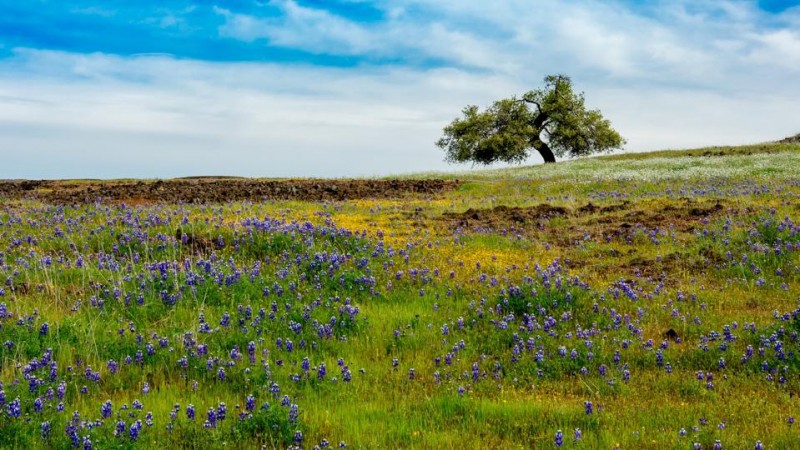
Nestled between Sacramento Valley and the Sierra Nevada foothills, Butte County is a hidden gem in Northern California, offering unparalleled natural beauty and outdoor adventures.
Far from the bustling crowds of Lake Tahoe or Sonoma County, Butte County shines as an underrated haven for nature lovers. Known for Chico State, this tranquil region unveils a tapestry of scenic parks, serene reservoirs, and rugged canyons that captivate explorers.
No journey to Butte County is complete without experiencing Bidwell Park, a 3,700-acre marvel established in 1905, ranking among the largest municipal parks in the United States. This expansive preserve is a sanctuary for wildlife, including gray foxes, river otters, and red-tailed hawks. Visit the Chico Creek Nature Center to delve into the wonders of California’s native species. Upper Bidwell Park’s trails weave through the dramatic Chico Canyon, showcasing breathtaking landscapes.
Lake Oroville beckons with opportunities for boating, swimming, and fishing, particularly for largemouth and smallmouth bass. For those who prefer solid ground, Kelly Ridge Point offers stunning panoramic views of the lake, perfect for soaking in the scenery.
For birdwatching enthusiasts, Gray Lodge Wildlife Area is a must-visit, hosting millions of migratory birds in fall and winter. Spot gadwalls, northern shovelers, and blue-winged teals among the Pacific Flyway’s visitors. The Snow Goose Festival in Chico, held every January since 2000, celebrates these avian travelers with workshops and guided excursions.
Butte County is also home to Sierra Nevada Brewing Co., a titan in American craft beer. Sip a cold ale while soaking in the region’s laid-back charm.
Though often overlooked, Butte County rewards visitors with stunning landscapes, vibrant wildlife, and endless outdoor pursuits. Whether you’re kayaking across vast reservoirs, spotting snow geese in the crisp winter air, or relaxing with a craft brew, this destination promises memories that linger long after your trip.
Elevate your adventure by booking hotels through TRAVEL ADVANTAGE for exclusive savings and MWR benefits. Plus, claim a $100 guest coupon, valid for 30 days, to make your journey even more rewarding.
Unlock MWR Benefits Claim $100 Guest Coupon

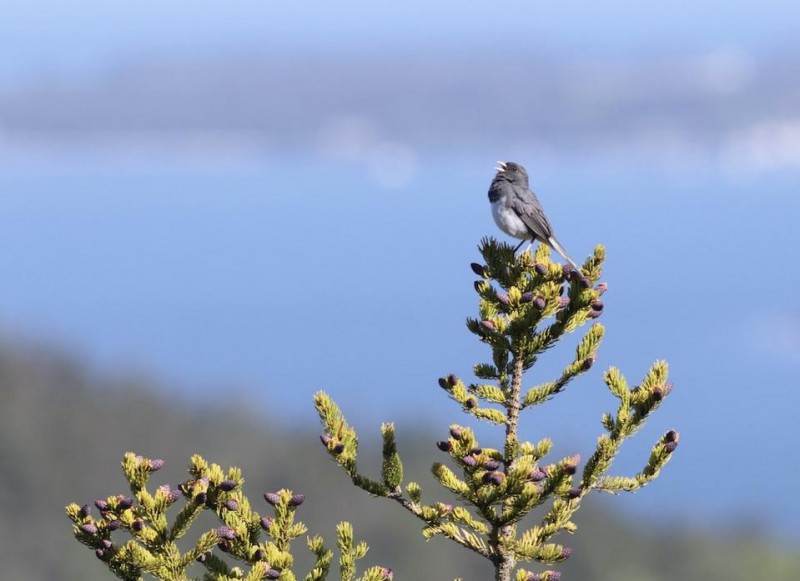
At a special event, Tennessee leaders revealed the launch of the Guide to Birding in Tennessee.
In the closing days of July, the Tennessee Department of Tourist Development introduced their Guide to Birding in Tennessee, a comprehensive statewide tool showcasing the varied birdwatching opportunities throughout the region. This over-30-page, complimentary resource provides seasonal advice and area-specific suggestions for observing bird types like bald eagles, sandhill cranes, warblers, waterfowl, and uncommon migratory guests.
Authored by passionate bird enthusiasts, the guide also features Tennessee's birding celebrations, ethical preservation methods, and a selected collection of reachable paths, walkways, and picturesque viewpoints.
Enthusiasm for birdwatching, together with outdoor excursions and animal observation, has consistently increased in Tennessee, noted Communications Manager Chelsea Trott. The fresh Guide to Birding in Tennessee aims to bolster and enhance that enthusiasm. Spotting a bald eagle is feasible in specific Tennessee areas. Lately, the American Eagle Foundation inaugurated their new base in Sevierville.
The guide comes as a physical copy at Tennessee Welcome Centers and digitally as a downloadable PDF online. It highlights numerous spots from Radnor Lake State Park close to Nashville, ideal for viewing herons, owls, and other permanent birds all year, to Reelfoot Lake State Park in western Tennessee, famous for its winter bald eagle groups.
Officials across Tennessee promote their local birding sites. For instance, Sevierville advertises birdwatching in their locale via external media channels and articles.
The American Eagle Foundation just launched its new headquarters in Sevierville, offering a reliable method to view impressive raptors closely while gaining knowledge about them, stated Amanda Marr, marketing director for Sevierville Convention & Visitors Bureau. You can book a spot for their program Talons & Tidbits and nourish the birds in a unique interaction session.
The Maine Birding Trail represents one of several approaches to watch birds across the state.
Other regions have advanced birdwatching or birding via diverse programs.
Visit Maine emphasizes the Maine Birding Trail, a joint effort involving Maine Audubon and Maine departments of Conservation and Inland Fisheries and Wildlife. Led by birder and ex-state lawmaker Bob Duschesne, the trail connects over 260 birding places throughout Maine.
Birdwatching holds varied meanings for individuals some pursue focused journeys and maintain thorough records, others simply enjoy observing and hearing birds from their veranda with coffee, mentioned Nick Lund, advocacy and outreach manager at Maine Audubon.
By monitoring eBird users, a site initiative from Cornell Lab of Ornithology, Lund noted that approximately 120,000 checklists containing bird observations in Maine were submitted to the platform in 2024. You could encounter a Dark-eyed Junco in Maine's Acadia National Park.
Although the Maine Birding Trail enumerates many birding locations in the state, Lund mentioned certain areas or environments favored by particular birds. Northern Maine’s boreal woodlands, such as in Katahdin Woods and Waters National Monument, host millions of nesting songbirds including warblers, vireos, and thrushes.
Kennebunk Plains shelters various bird species that are scarce or threatened in Maine, and Monhegan Island is renowned for accommodating vast quantities of migratory birds during spring and autumn. Maine Audubon even arranges birding activities like complimentary strolls, assists with Maine’s birding festivals, and operates seven volunteer-managed chapters statewide.
The marvelous aspect of birding is that nearly any place can serve as a prime location. Birds are our most extensive and noticeable sizable creatures, and birds exist in every garden, city zone, woodland, lake, shoreline, and wetland, said Lund.
In Georgia's Sandy Springs, Morgan Falls Overlook Park features an engaging digital birding panel driven by open-access eBird information.
Created by the City’s Digital Innovation group, this live showcase utilizes open API animal data to identify the newest winged arrivals to the park.
The aim was to render the birds residing in Morgan Falls Overlook Park more noticeable to locals and guests who appreciate the park, commented Mayor Rusty Paul.
As per Jason Green, the city’s Digital Communications Manager, a tailored cloud application was built to automatically retrieve bird sighting details through the eBird API and display it in an attractive visual style.
The screen showcases bird varieties lately noted in the park the species name and image, the reporting date, and the reporter offering almost instant understanding of the nearby bird community, described Green. The objective is for birdwatchers to view their reported birds on the display by the end of their stroll, establishing a beneficial reinforcement cycle.
In Florida, Kissimmee offers several birding-associated assets.
Experience Kissimmee crafted a previous Kissimmee Birding Club initiative and online birding tools like a web directory of birdwatching prime spots and a prior Kissimmee Birding Club effort. Moreover, the Kissimmee Valley Audubon Society continues as a vibrant community organization that has guided outings and sessions in the area.
Kissimmee is positioned at the core of the Great Florida Birding Trail, a system of over 500 birding locations and 2,000 miles of pathways across Florida.
We have observed steady rise in fascination with birdwatching in Kissimmee, driven by voyagers pursuing open-air, nature-oriented adventures, said Casey Leppanen, chief marketing officer at Experience Kissimmee.
The sandhill crane migration stands as a key periodic occurrence in central Nebraska.
Each March to early April, Nebraska hosts the globe’s biggest sandhill crane migration. Over 80 percent of the world’s sandhill crane populace reportedly gathers in the Platte River Valley of central Nebraska.
Via dedicated observation shelters and expert-guided trips, explorers can witness one of nature’s grandest displays in an ecologically mindful manner. Their earnings aid preservation initiatives locally.
The yearly sandhill crane migration beside the Platte River ranks among Nebraska’s most symbolic natural happenings, attracting numerous visitors from nationwide and globally, stated Brad Mellema, executive director of Grand Island Tourism. Every spring, central Nebraska communities experience a significant tourism surge from accommodations and meals to directed tours and regional sites.
The Peregrine Fund's World Center For Birds of Prey in Boise serves as one of various venues for birding in Idaho.
The Idaho Birding Trail, the state’s manual for bird observation, lately grew to 250 visitable sites, incorporating added GPS points and eBird details customized to each area.
Idaho Fish and Game area offices added their regional expertise to the birding trail, collaborating with local birders and academic institutions to develop the resources. Complimentary area fold-out manuals are accessible publicly at every Idaho Fish and Game area office.
As component of the Mississippi Flyway, Rockford in Illinois provides uncommon entry to traveling and native species. From bald eagles and Cooper’s hawks to goldfinches and barn swallows, the area supplies continuous observation with maximum migration in initial autumn.
Rockford additionally integrates birding into urban spaces with its Audubon Mural Project and delivers deep preservation encounters at venues like Severson Dells Nature Center and Sand Bluff Bird Observatory, among the biggest public-accessible ones in the US.
For your birding journeys, you can advantageously book hotels through TRAVEL ADVANTAGE, enjoying MWR perks for better deals on accommodations near these hotspots.
Take a 100$ guest coupon for free, valid within a month.
Claim 100$ Guest Coupon Explore More with MWR


Социальный GPS для цифровых кочевников помогает преодолеть одиночество в 47 странах через архитектуру человеческих связей.
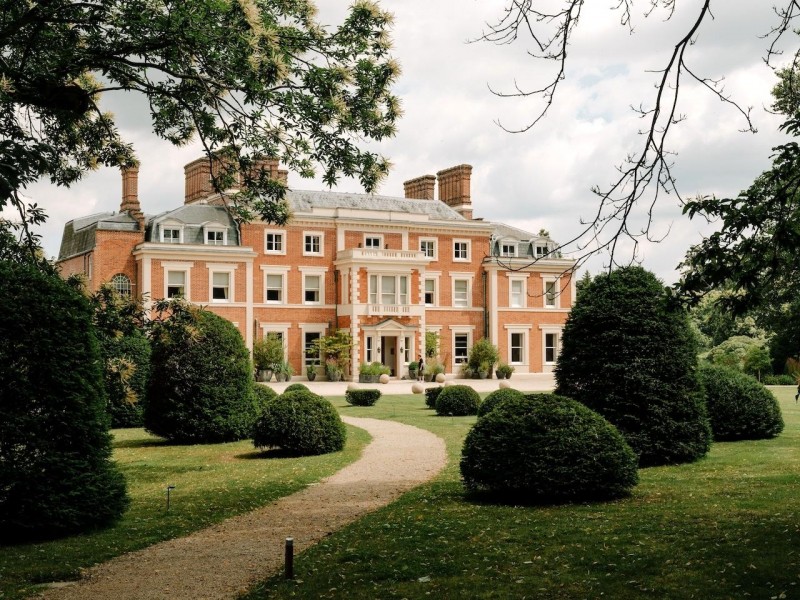
Explore the Charm of Hampshire’s Heckfield Place and the Allure of England’s Country Houses
Looking for a cultural escape? There may never be a better time to visit England. From Ellen DeGeneres’ bold move to the Cotswolds to the buzz surrounding another Downton Abbey finale, the UK is more captivating than ever. With home prices falling in London, the countryside is drawing more Americans eager to embrace its rich history.
Where to Stay? Discover Heckfield Place
For the perfect blend of history and luxury, look no further than Heckfield Place. This beautifully restored Georgian house is nestled in the Hampshire countryside and offers a tranquil escape. The MWR Club’s Travel Advantage provides exclusive access to this idyllic retreat.
The Best of England’s Country Hotels
On October 22, the World Travel Awards will recognize the top country house hotels in England, including Heckfield Place. These awards, voted on by industry leaders and travelers, celebrate excellence in hospitality.
Though the list may not be exhaustive, it highlights standout properties that break the mold of traditional country estates. Many are independently owned, with backing from international billionaires—Chinese, South African, and Indian owners—bringing fresh energy and vision to these historic homes.
A Fresh Take on the Country Estate
These estates are not just for the elite. They offer warmth, sophistication, and relaxed luxury. Each estate features sprawling botanical gardens and farms, perfect for the ambitious chefs behind innovative culinary experiences. Set amidst breathtaking natural landscapes, these hotels offer a perfect combination of rural charm and modern luxury.
Ready to immerse yourself in this new era of country hotels? Book your stay at Heckfield Place and experience the serenity of the countryside while enjoying top-tier amenities and unique cultural experiences.
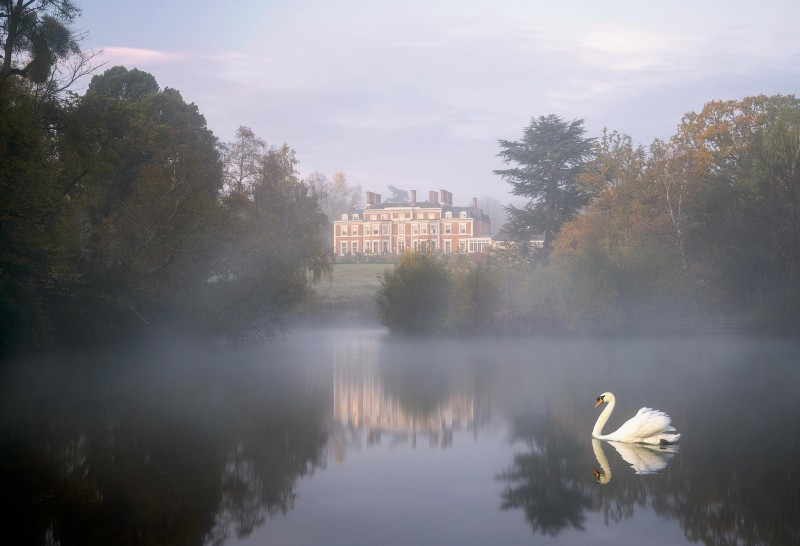
For Jane Austen-enthusiasts and foodies who want to eat straight from a biodynamic farm.
Owner: Gerald Chan, the Hong Kong-born billionaire and head of private investment company Morningside Group, bought Heckfield in 2002.
It has been a very Jane Austen summer. Just an hour outside of London, Heckfield Place has fashioned itself a literary muse, with canvas-bound novels in each of its 45 guest rooms, and a rotation of screenings and guest speakers in the hotel’s 67-seat cinema, nestled within the charmed seclusion of 438 acres in Hampshire. Here, everyone is all a-twitter about the upcoming arrival of actress Emma Thompson, who is set to introduce a screening of Sense and Sensibility August 31 (The event is sadly sold out, but events such as these are a regular hallmark of the hotel).
When it first opened in 2018, Heckfield attracted guests with its handsomely restored Georgian home, sprawling grounds, and misty lake. But the stewardship of its organic farm-to-table restaurants Marle and open-fired Hearth by culinary director Skye Gyngell really put Heckfield on the food world map. In recognition of its sustainable practices, Michelin awarded a Green Star to Marle in both 2022 and 2023.
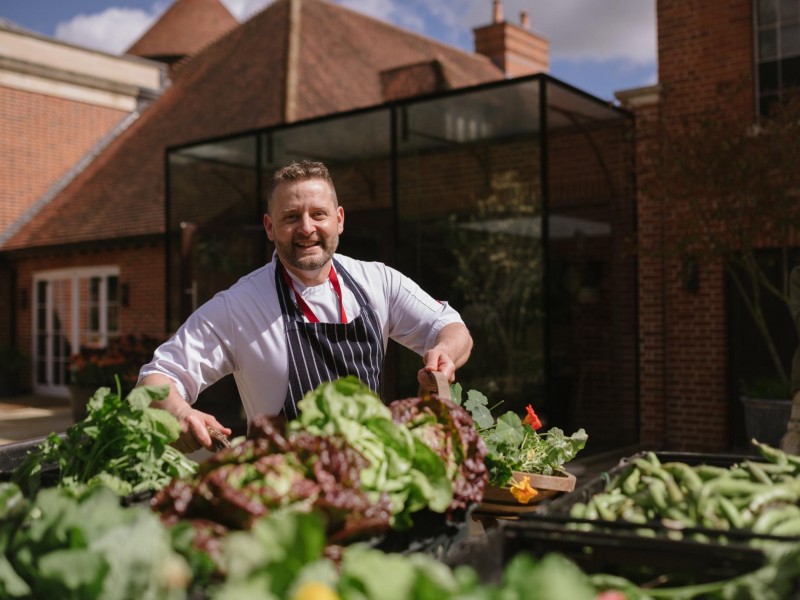
Executive Chef Michael Chapman at Heckfield
“The essence of Heckfield is that our food is literally within 200 meters, and the idea is to be nearly self-sufficient,” said Executive Chef Michael Chapman, sitting down after a busy dinner service. On average, he serves roughly 200 meals per day. “It’s taken a good four and a half years for the farm to get where it is now, but we still have to adjust. Because we’re biodynamic, we’re at the whim of the elements. When we start planning our menus, we’ve got good ideas, and then we wait for the farm to bring it in. Fingers crossed, we’ve had a good harvest.”
The first thing you notice is the trees. Towering marvels of birch, purple beech, ash, chestnut, and pine fill the air with sweet sap, while 20 varieties of wise oaks create a canopy to cover your path. It’s like being enveloped in an enchanted forest, where it is entirely plausible that the ribbon wish you tied to the magickal Yew tree in Hobbit lande will most certainly come true!
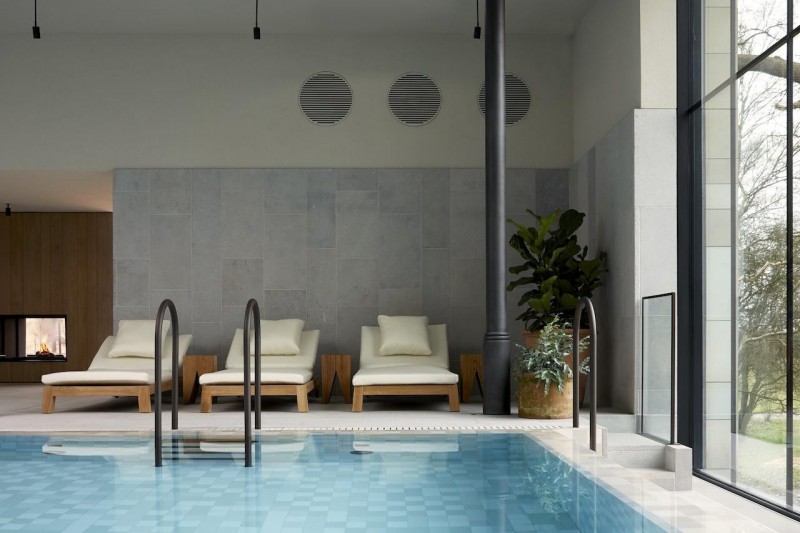
The Bothy by Wildsmith
O’er the river and through the woods brings you down to the lower lake, which is its own reward. From a blanket on the banks, you can order up a sumptuously stocked picnic basket (with things like bubbly elderflower cordial, red beetroot with goat cheese, Guernsey cow butter slathered on crusty baguettes, swiss chard salads, and bright logan berries) or engage in the invigorating practice of “wild swimming,” which is really just swimming without chlorine. Though the lake is cold enough to make any warm-blooded fool feel “wild.” Another ‘must’ is the new 17,000-square-foot spa, The Bothy by Wildsmith, which offers a full roster of decadent treatments, fitness rooms and a hydrotherapy wing complete with pools, saunas and wildflower views.
After a treatment, you are guided into a cavernous grey stone and wood relaxation room with six oversized day beds, plumped with heavy pillows and wool blankets. There are no clocks or screens allowed — they simply light a custom candle with the name of a local tree etched into the glass. My “oak” candle burns for precisely 20 minutes, at which point I am cocooned in warmth and anointed in oil, sinking into the sofa like a lump of clay not yet needing to take shape. It’s very quiet, and deeply restorative.
To really make the most of Heckfield, you’ll want to pre-book a few “experiences,” including floral arranging workshops, gin garden mixology classes, bread-making, or — coming this fall — pickling. “The Art of Preservation” workshop (£65 per person) is led by Chef Dor Harel who teaches centuries-old techniques of pickling, fermenting, and preserving.
As it turns out, preserving can not only help you stock your winter pantry, but teach you how a biodynamic garden actually works. It runs on a lunar calendar and organic material only, like British black beef cow dung and compost. No chemicals or sprays are used, but companion planting and predatory bugs like mealy bugs or ladybug larvae can help to manage crops. The best part? Whether gooseberry, plum or lemon preserves, you get to take it home with you.
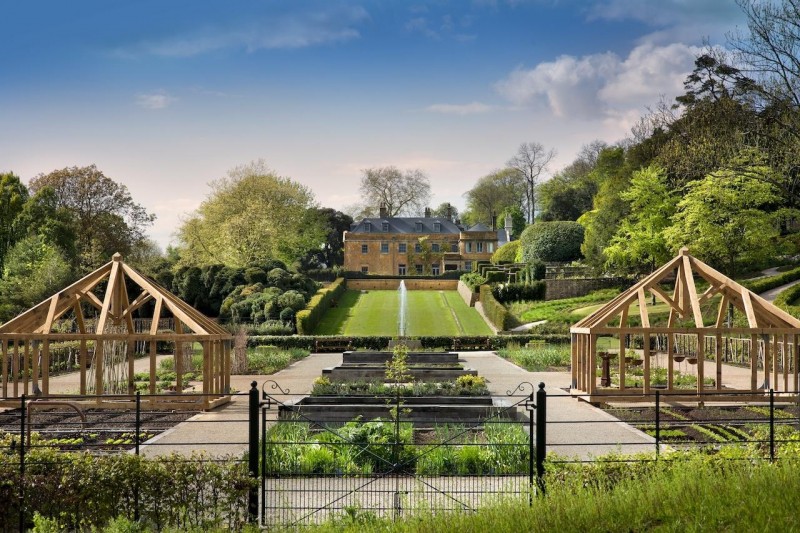
The produce garden is steps away from the main house and restaurant.
For travelers wanting to experience history come to life on an 800-acre estate.
Owners: South African businessman Koos Bekker and his wife, Karen Roos, who also preside over Babylonstoren, South Africa’s most ambitious wine farm hotel.
They say an estate can have a soul, or a ‘beating heart’. Laying claim to more than 800 acres teeming with apple orchards, gardens both botanical and medieval, 500 British white cattle, 400 sheep, about 80 red deer and an armada of great crested newts — the Newt has more than a few. (Fun fact: The presence of newts is a sign of a healthy wetland environment).
At the center of this salamander’s flywheel is the Hadspen House, a honey-hued limestone home built around 1690 and reshaped in Georgian times. In 2019, it entered the 21st Century as a premiere hotel, housing bedrooms, lounges and The Botanical Rooms restaurant.
The most whimsical of its 23 guest rooms are in the Hadspen’s former stables. Who would want a regular-old room, when there are haylofts with wood-burning stoves that once warmed the hind legs of Kind Arthur’s horse? The “Hayloft & Woolsack” cottage, for example, is a cozy throwback to a time when English wool was more lucrative than American cotton. In the sitting room, a ceramic-clad kiln is attended by a basket of dry firewood. Beneath the coffee and tea station (stocked with homemade biscuits), you’ll also find a mini fridge full of cider, cordial, apple gin, water and dairy milk. The crisp white bathroom has a huge clawfoot tub, which you’ll want to fill with buckets of ice in summer (turns out, you can survive without air conditioning). Somehow, the rugged structure of the stables makes you feel you’ve earned a morning yoga session or an afternoon with a good novel. Time sips slower here, or at least that’s what the dainty vintage glass cocktails in the main bar would suggest.
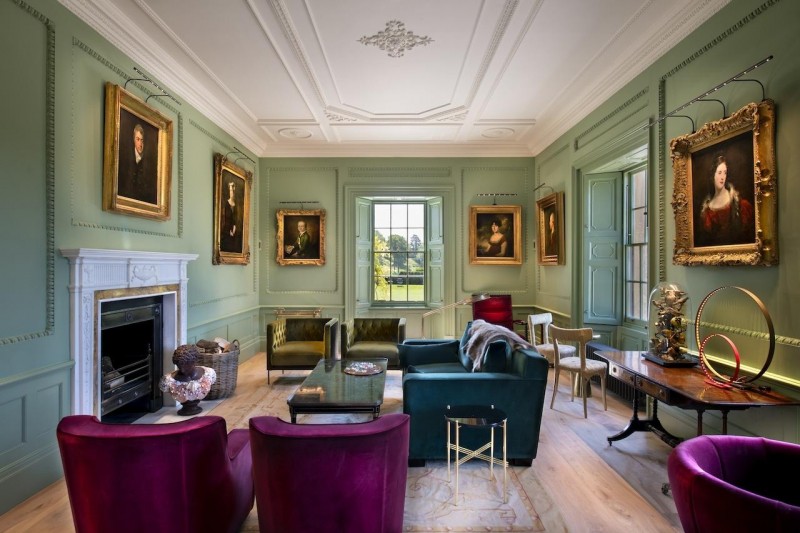
The drawing room inside Hadspen House.
Almost every activity within the Newt’s reach is designed to spark appreciation for the bounty nature brings. You can lose yourself in the Four Seasons Garden, blooming with antique roses that wind around pergolas and spill from the hedgerows. You can dine on Dorset Down lamb with smoked leek and peas, or Cornish crab with cucumber and fettuccine in the Botanical Rooms, take long walks through endless apple orchards, and eventually join one of the honey, wine or cider tastings in the on-site cidery. If you’re feeling social, go for cocktails and croquet on the Hadspen House lawn.
But if you are open to a real education on the Romans who once lived here, and the history and relevance of gardens, get thee to one of the world-class museums on property, which are a major reason why The Newt is considered to be in a class all its own. Built around remains unearthed on this estate, the interactive “Roman Villa experience” allows you to walk through a historically accurate model of what existed during Roman rule of this land. With the help of audio guides and digitally augmented reality, you walk from room to room, immersing yourself in stories of epic soldiers and battles, Roman baths, ancient customs and the decadent bacchanalia of the Roman elite. On the fields surrounding this villa, staff say a new restaurant will be built “within 18 months”. Though no title or theme has been announced, expectations are naturally high.
In the meantime, if you cross a hanging bridge that winds through the treetops on the other side of the estate, you’ll reach the other experiential museum, “The Story of Gardening”. Here, you can get your hands dirty with the soil, smell the unique scent of countless flowers, and learn lessons in botany required for any thriving garden. And, with a separate room dedicated to each garden type around the globe, you can learn the history and significance of the Imperial gardens of China, Versailles in France, and of course, the story of Capability Brown and the English landscape gardens, where so many literary giants set their scenes… Where better than to muse on the meaning of life?
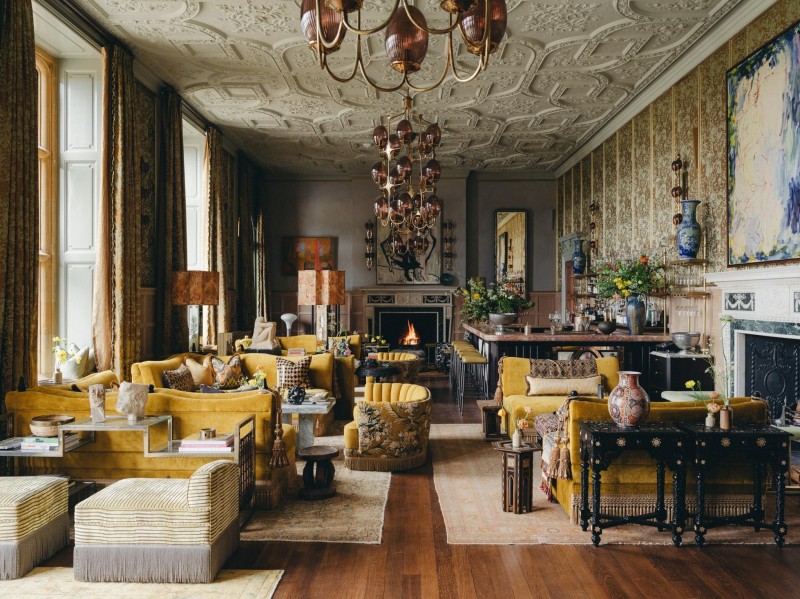
Estelle Manor interiors designed by Roman and Williams
For late-night revelers who want stylish outdoor adventures and indoor opulence, in equal measure.
Owners: The Co-CEO of Ennismore, Sharan Pasricha and his wife Eiesha Bharti Pasricha own Estelle Manor and its sister property, Maison Estelle — one of Mayfair’s most desirable membership clubs.
The Pasrichas acquired Estelle Manor (formerly known as Eynsham Hall) in Oxfordshire in 2018, transforming it into a luxurious country-house hotel and prestigious private members’ club that echoes Maison Estelle in London. Located just an hour outside London, and open year-round, it attracts social elites who are spoiled for choice, but still turn up for the party.
Much like the other properties, the scope of this 85-acre estate which happens to be surrounded by 3,000 acres of parkland, is massive and guests have countless ways to make the most of it. There are 108 rooms and suites, four restaurants, a heated outdoor swimming pool, fitness center, padel court, kids’ club, private work lounges, and the new Eynsham Baths, a spa constructed to resemble a neoclassical Roman bathhouse fit for the emperors who invented the concept. Throw in archery, falconry, axe-throwing, off-roading, and boating and fishing on Blenheim Lake (behind Blenheim Palace 10 minutes away) — and you’re approaching Gleneagles’ Scottish hotel-level rompery. The best part? You can do it all in borrowed La Chameau welly boots, which scream: I’m outdoorsy, but I never actually “rough it”.
Socializing is very much the point, regardless of the activity. Conversation and repartee is an effervescent art form, and let’s be honest: everyone looks better in light cast by the interior designers Roman and Williams. Their spaces are meant for gathering and carousing—not just looking at. (Don’t even think about snapping selfies in the private club rooms. Discretion at Estelle is paramount).
Though so many clubs have choked on their own disco dust, the club-model actually works here, largely because the original home base, Maison Estelle, is still the toast of Mayfair, and artistic director Eiesha Pasricha understands how to create cool. In each of her spaces, social connection feels encouraged, comfortable and exciting — because you never know who you might meet. The Billiards Room restaurant, for instance, serves traditional Chinese fare in a luxuriously textured room with sumptuous velvet banquettes, lacquered malachite green tables and limed plaster walls lit up by fantastic Murano glass chandeliers. It’s the kind of place you can wear a sequined jumpsuit and sip champagne while watching a whole duck being carved tableside. During the day, the Glasshouse is the place to gather, and share classic English dishes (pork pies and venison haunches) right alongside family-style Indian Dhaba delights, Tandoori chicken included. Set within a walled garden, it’s a light, airy greenhouse-turned restaurant framed by climbing flowers, and elevated by plush velvet banquettes and polished marble tables.
But what truly sets this place apart are its fabulous fêtes.
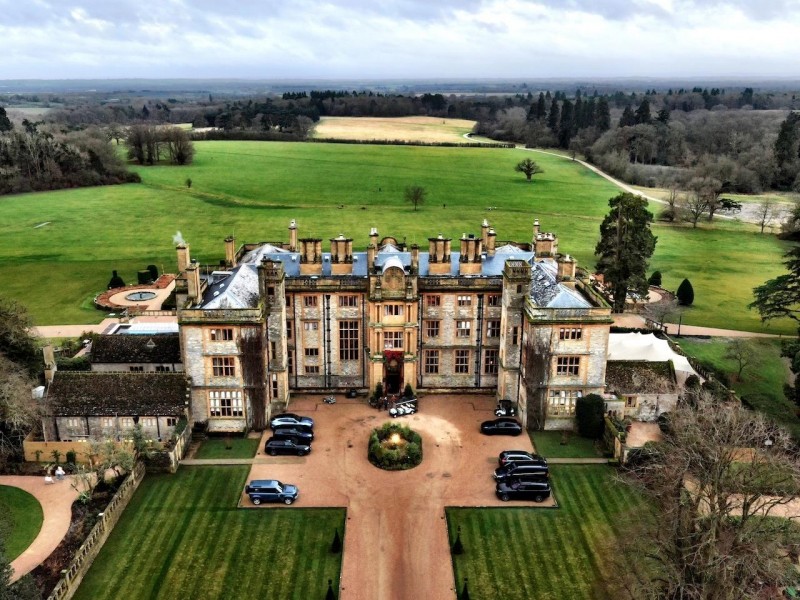
An aerial view of Estelle Manor
Though Estelle Manor is the most contemporary of the three estates, it gets closest to the real version of upper-class parties that took place throughout the 18th and 19th century. When outdoor heaters are wheeled onto the lawn outside Estelle, live musician platforms rigged, and the fireworks readied, you know it’s going to be a banner night… Upper class parties in Georgian and Regency England (roughly 1714-1830) were late-night affairs, with dancing beginning around 11:30 PM, supper served around midnight or later, and the festivities continuing well into the early morning hours. And it was poor form to leave early! This custom is reflected in Jane Austen’s novel Persuasion in Chapter eight, where Captain Wentworth recounts the details of a party to Anne Elliot and others: “We began at ten, supped at one, and were at Deane before five.”
Over the past few centuries, social events have been creeping earlier and earlier and sad, sanitized phenomena like silent discos and alcohol-free mocktails threaten to steal revelry from our youth. Which is why in this day and age, Estelle Manor serves as a beacon, allowing us one last chance to howl at the moon and watch the day break over Oxfordshire.
ForbesLuxury Fly Fishing Is A Thing — Where To Cast In Big Sky, MontanaForbesVirgin Atlantic Unveils Free Starlink Wi-Fi, OpenAI Partnership And MoreForbesWhy Wealthy Americans Are Ditching Fancy Hotels For Vacation Homes