Turkish ‘Town-Sizing’ Destinations To Tack Onto Trip To Istanbul
Социальный GPS для цифровых кочевников помогает преодолеть одиночество в 47 странах через архитектуру человеческих связей.

Portland boasts a diverse culinary scene, access to nature and a warm, laidback crowd.
In 2011, cousins Kim Malek and Tyler Malek launched a humble ice cream cart called Salt & Straw with the goal of building community. In the 13 years since, they’ve done just that, using their flavors to tell the stories of local businesses. While Salt & Straw has expanded to 41 shops across the country (most recently debuting two locations in New York City), and developed a cult-like following nationwide, they continue to be a community-driven ice cream shop that celebrates Portland.
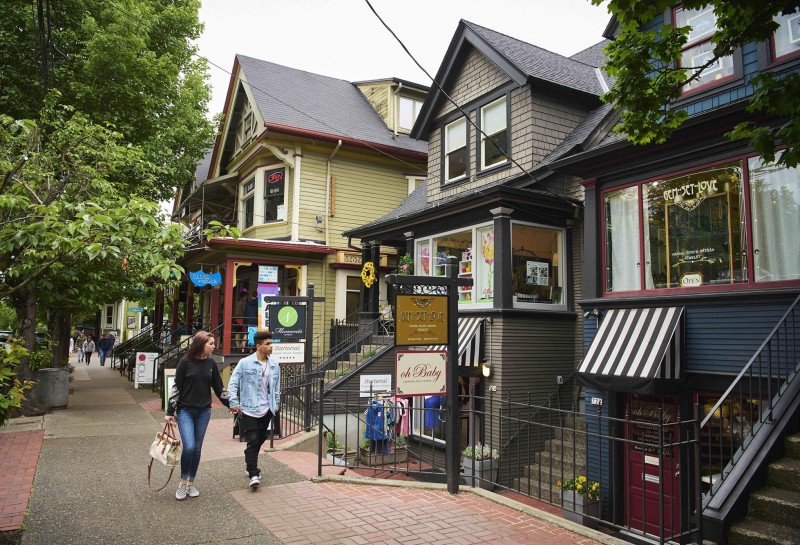
Nob Hill is a quaint neighborhood filled with independent boutiques.
From a cocoa hazelnut flavor made with single-origin Ecuadorian chocolate from a local chocolatier to their line of edible perfumes made with a local perfumer, the flavors at Salt & Straw are a collection of short stories, each shedding light on a different part of the city. One of the authors crafting these stories is head ice cream maker Tyler Malek, who is continuously tasting his way through the city and meeting with local businesses for flavor inspiration. The wildly inventive recipes that result are on display in his new cookbook, America's Most Iconic Ice Creams: A Salt & Straw Cookbook.
Since moving to Portland in 2011, he’s lived in almost every neighborhood and fallen deeper in love with the city. “It’s a really magical place,” Malek explains. “I say this jokingly and lovingly, but when I got to New York, the first thing I do in the morning is I look in the mirror and hype myself up so I’m ready to take on the street. When I arrive in L.A., I do a sun salutation to hone all my energy to take on the day. In Portland, you can go weeks and weeks without ever really waking up, simply existing in this dream state. There’s something really beautiful about that.”
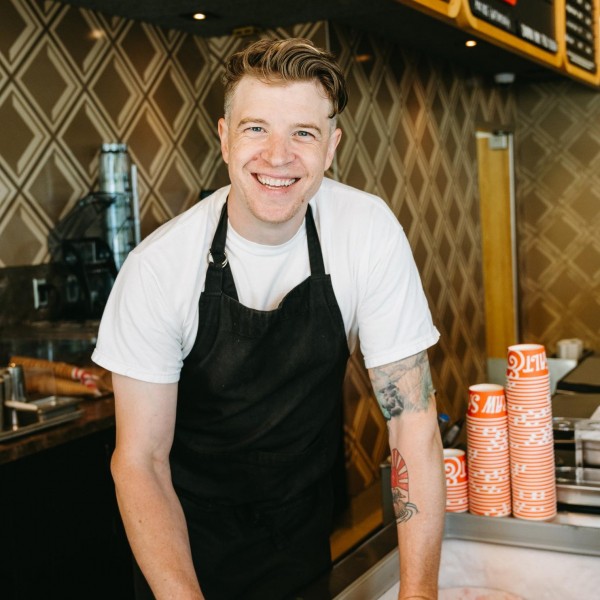
“It’s a really magical place,” says Salt & Straw founder Tyler Malek on why he's proud to call Portland home.
The Salt & Straw founder finds the city’s small size and lack of big Fortune 500 companies results in a creative, close-knit business community. “We’re forced to create and support our own economy here. There’s this mentality that we are Portland, we support Portland,”says Malek. “This is the place 20-something’s come to retire, it’s got that vibe. You’re safe everywhere, you’re welcome everywhere. It really is a cool city to be in.”
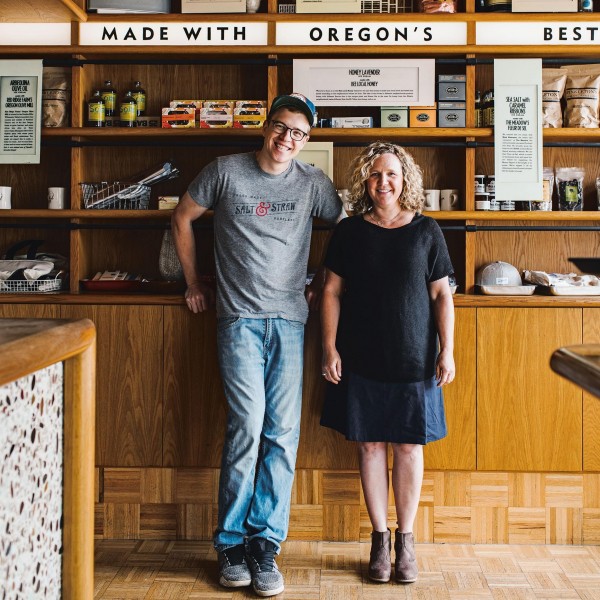
"There’s this mentality that we are Portland, we support Portland,” says Salt & Straw co-founder Tyler Malek.
While Malek’s new cookbook is a celebration of flavors spanning the country, his passion lies in exploring Portland. Whether on the job discussing potential collaborations with local businesses or venturing around the city on a rare day off, Malek is deeply immersed in Portland, making him the perfect intel on what to see, do and taste on your next trip. Read on for the taste-maker’s top Portland picks.

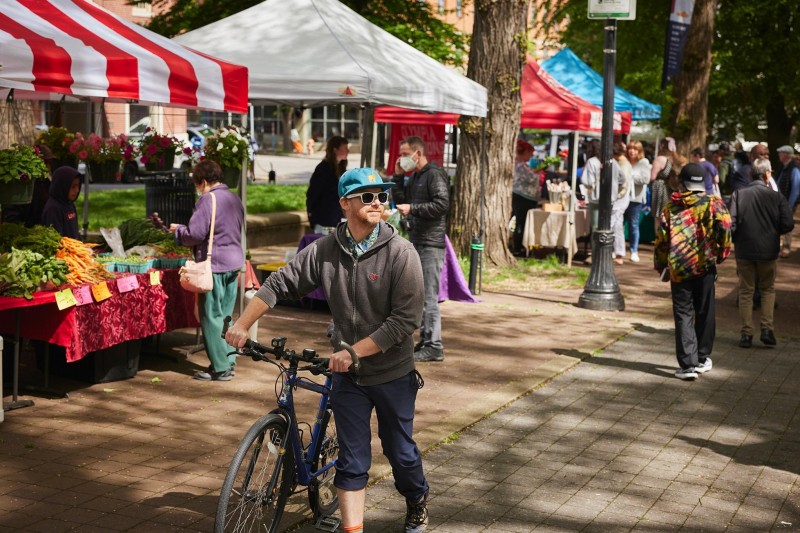
Portland Farmer's Market
Every Saturday from 8:30 a.m. to 2 p.m., downtown’s South Park Blocks transforms into the city’s most beloved outdoor grocery market boasting 140 farmer and vendors stands. “If you’re a foodie, this is a MUST,” says Malek. “It really is the bounty of Oregon, you can find every type of mushroom you can ever dream of, all kinds of baked goods. It’s a local treasure and has some of the most unique ingredients you’ll ever see.”

Powell's Books is the largest independent new and used bookstore in the world.
Boasting a collection of over one million new and used books, the world’s largest independent bookstore is a must when visiting Portland. Centrally located in the Pearl District, you can find everything from the latest releases to obscure fan fiction to beautiful art books across the store’s 3500 sections. Don’t miss the rare books room, which houses several thousand of Powell’s most valuable books, and the Guilder Café in the Southwest corner of the store. “I know this is cliche for any Portland Visitor guide, but I promise, it’s worth it!” says Malek.
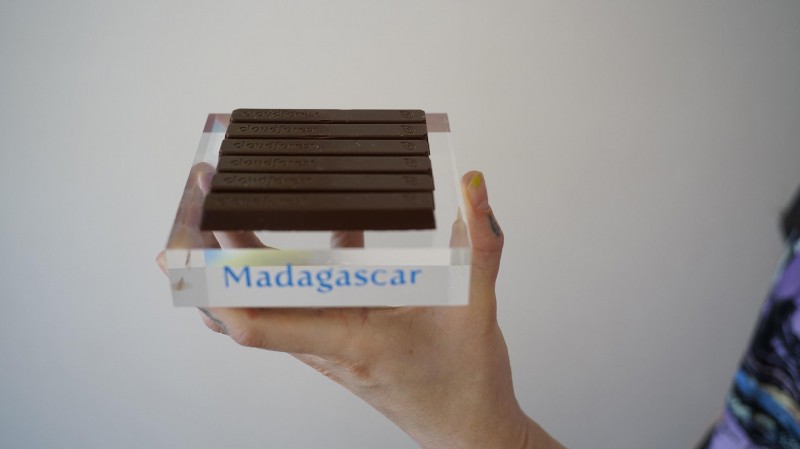
Cloudforest
For ten years, owner Sebastian Cisneros has been sourcing single-estate Ecuadorian cacao to sell at his shop in Portland and at retailers nationwide. “You can go to their cafe for a chocolate tasting and he’s always doing unique hot cocas at the back bar,” says Malek. “We’re getting ready to do a Salt & straw flavor with them for our Chocolateers menu in February.”
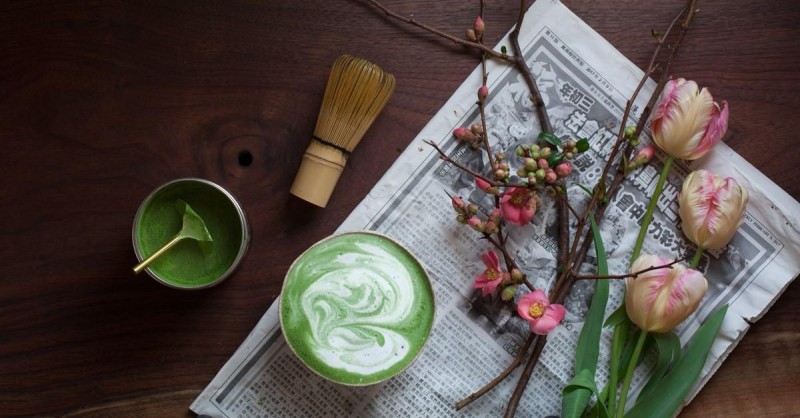
Smith Tea
After moving to France, Stash tea founder Steven Smith was inspired by his neighborhood chocolatier, baker and perfumer to start a small tea business sourcing the finest tea on the market and blending it in Portland. Since 2009, Smith has grown to become a household name. “They’ve got two tasting rooms in the city, I could spend hours there. You can taste many different teas and you can see them making the tea blends in the back,” says Malek. “My favorite is the ice cream royale tea, a tea recipe I wrote with them. It’s a Taiwanese milk oolong tea with amaretto and vanilla beans. It’s got these little French sugar pearls and a little bit of chamomile.”
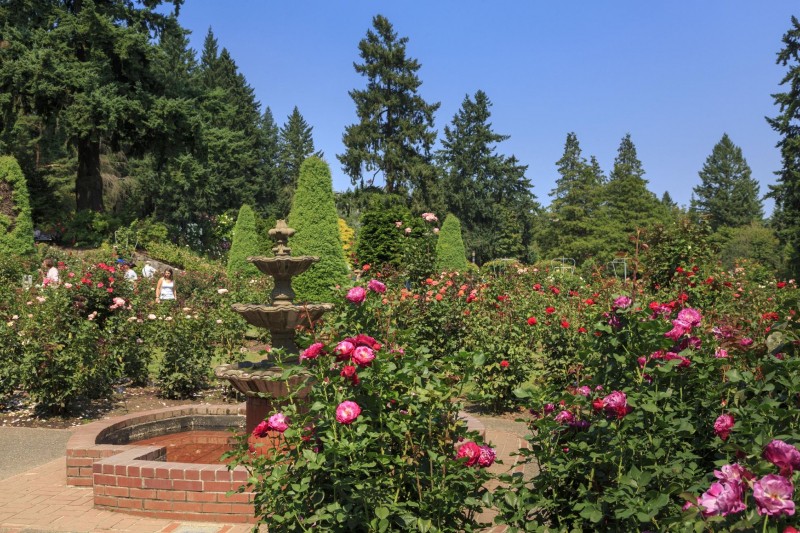
The International Rose Test Garden boasts over 10,000 roses in bloom from May through October.
With 410 acres of gardens, trails and parks to explore, it’s no wonder this is one of the top tourist destinations not only in Portland but in Oregon. Marvel at more than 2300 species of trees along 12 miles of trails in the Hoyt Arboretum and the 10,000 roses in bloom from May through October in the International Rose Test Garden, which Malek describes as insane, without exaggeration. “The rose garden is so beautiful to walk through. I’ve gone to a dozen shows at the little amphitheatre there. You can bring a blanket, have a picnic, hang out in the sun surrounded by roses and listen to beautiful music.”
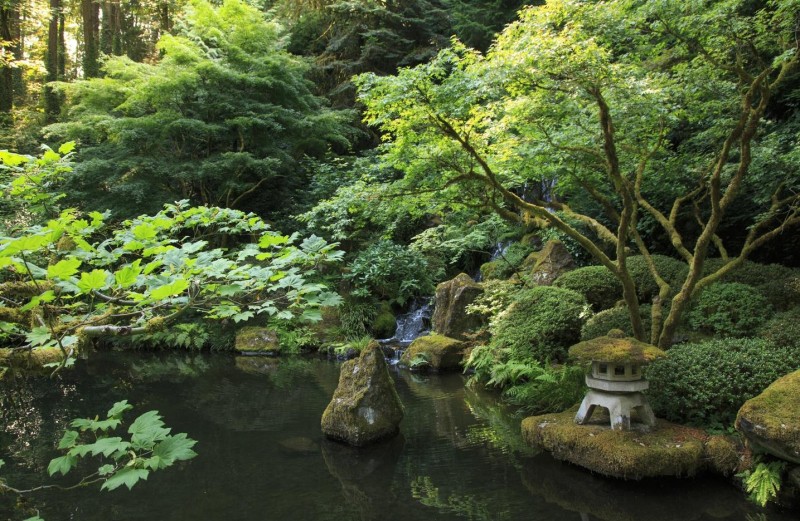
Portland Japanese Garden celebrates Japanese art and culture with manicured gardens and seasonal events
Malek also likes to visit the nearby Portland Japanese Garden which houses eight garden styles and celebrates Japanese art and culture with seasonal activities and performances. “The Japanese gardens are really pretty, there’s a little tea house up there,” describes Malek. “I always take my family there when they’re in town.”
The Oregon Zoo is another popular attraction in the park, home to nearly 2000 animals representing over 200 species from around the world. “I would go to all these places separately,” Malek laughs. “The whole Washington park area is awesome”

Forest Park boasts 80 miles of trails.
Located a 20-minute drive from downtown Portland, this 5,200-acre park boasts 80 miles of trails, along which you can spot native wildlife and plant species. “This is one of the biggest urban parks in the country (sorry Central Park!) and has an incredible labyrinth of trails,” explains Malek. “My favorite is to start hiking at the Witches House and then get lost in the weaving trail system from there.”
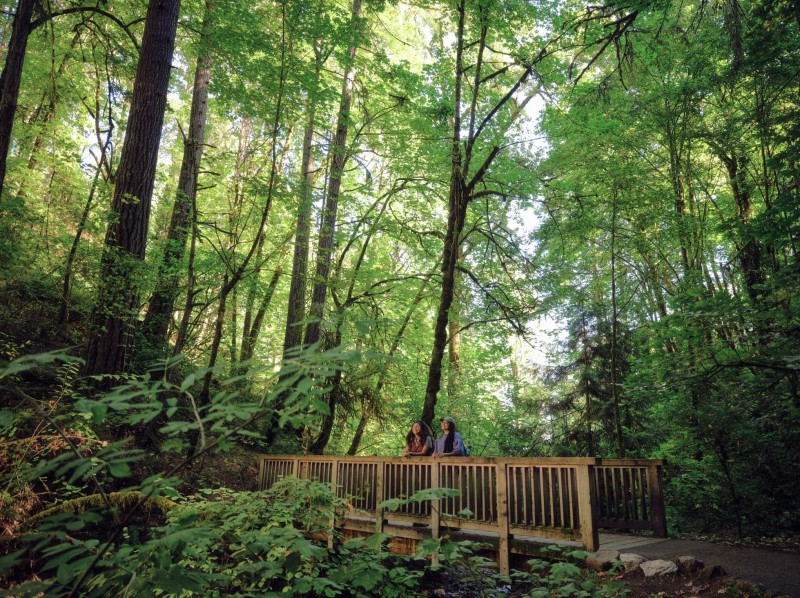
Lower Macleay Trail in Forest Park
If you’re bringing your dogs to Portland, Malek says Thousand Acres Dog Park is like a giant dog amusement park, “It’s a 1000-acres of off-leash dog park, that’s basically Disneyland for dogs. You can take a mile-long trail walk to the river and spend hours tiring out your pup. You can get lost in the trails forever. Sometimes you’ll even find chanterelles growing on the side of the trails”
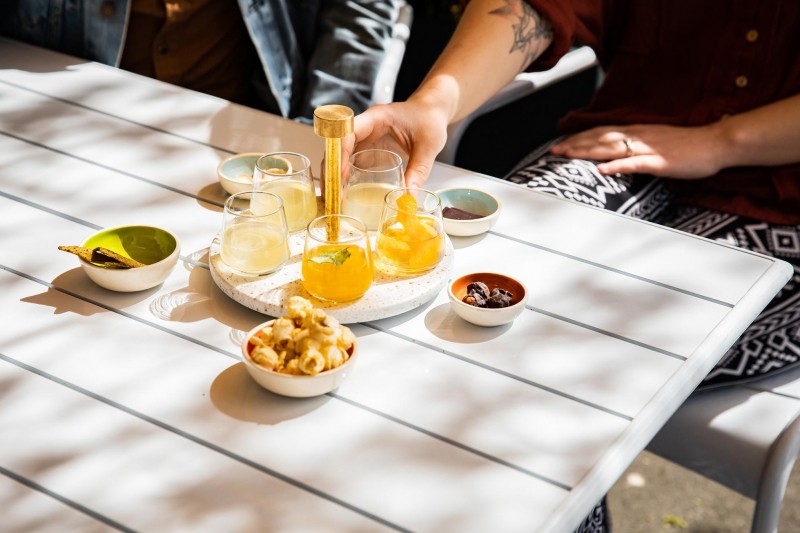
Straightaway Cocktails offers mixology classes.
“If you’re into cocktails and mixology, they’re a quintessential stop on the West Coast,” says Malek. “They make all their own amaros and apertifs for their cocktails, they’re pretty iconic in the liquor world.” While the chef recommends buying their pre-made cocktails to drink at home, you can learn the techniques and methods for making craft cocktails yourself in one of their mixology classes. Throughout the session, you’ll make four cocktails with their Accompani liqueur and vermouth.

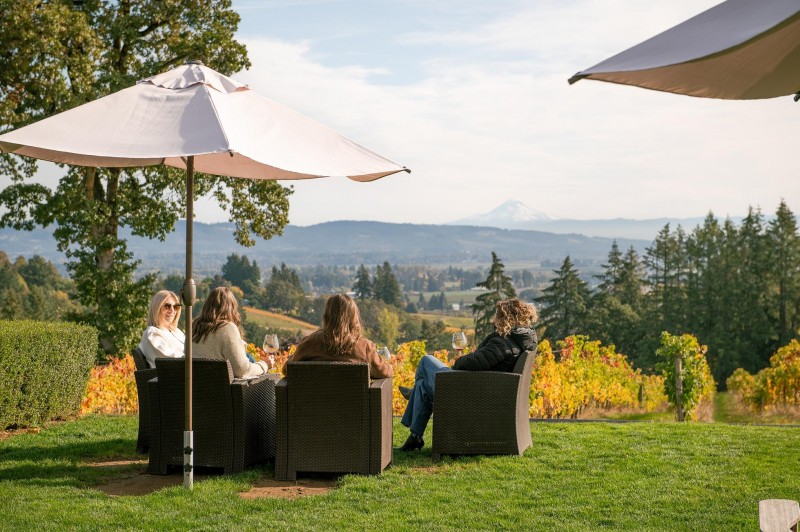
With 22 growing areas, Oregon is the third-largest wine-grape-producing state in the country.
“With over 900 wineries in the state, to know this is only a 50-year-old industry is mind-blowing,” explains Malek. Oregon’s 22 distinct growing areas make the state the third-largest wine-grape-producing state in the country. While there are countless wineries to choose from, Malek recommends Sokol Blosser as they were one of the first families to start producing wine in Oregon. “Still to this day they’re doing some great pinots,” says Malek. “As part of the wine tasting they’ll take you on a hike through their vineyard and you can stop on the block of 100 vines and taste a wine from that block.” You can also taste a special watermelon rose sorbet the winery makes in collaboration with Salt & Straw.
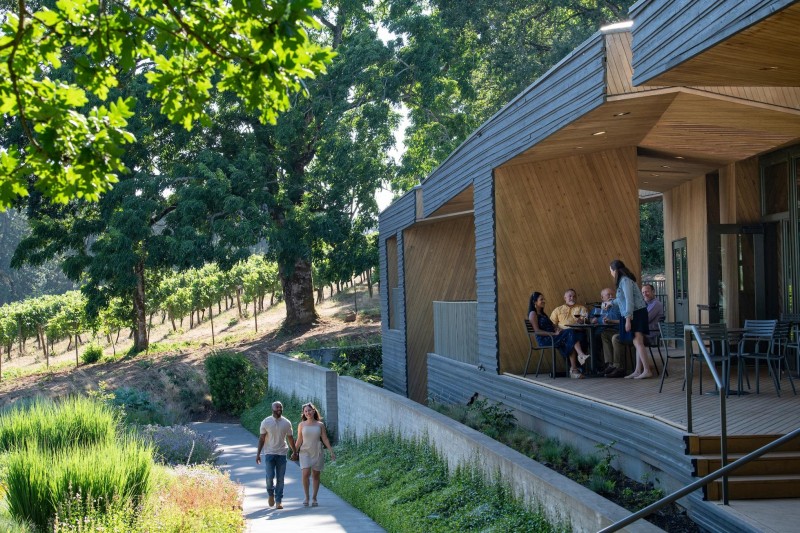
Sokol Blosser was one of the first wineries to produce wine in Oregon.
“Sokol Blosser is next door to Durant Olive vineyard so you see the olives that go into our ice cream,” says Malek, referring to the olive oil ice cream Salt & Straw makes in collaboration with Durant Olive Mill. Since 2008, Durant Olive Mill has become a household name to Portlanders for their olive oil. “You can walk through their olive orchard and see how they make olive oil. Then they’ve also got this beautiful garden and a wine tasting room you can taste from. They’ve constantly got holiday and harvest events, there’s always something to do there.”
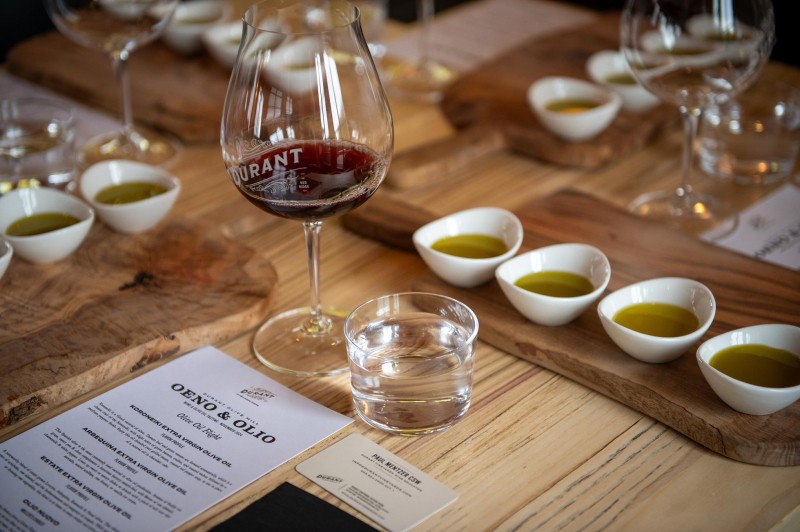
Durant is best known for their olive oil but they have wine vineyards too.
Malek also recommends Soter Vineyards, a winery dating back to 1997 home to a biodynamic, regenerative farm, vineyard and tasting room. If you’re looking to taste something more contemporary, head to Corollary Wines, a new winery specializing in sparkling wines. “They’ve got this beautiful restaurant on site where they grow almost everything on their farm behind their winery,” explains Malek. “On top of that, their family is obsessed with preserving Oregon oak and they’ve got one of the biggest protected Oregon oak nature areas in the state. It’s this iconic tree that feels provincial French. You can really feel the spirit in those trees.”
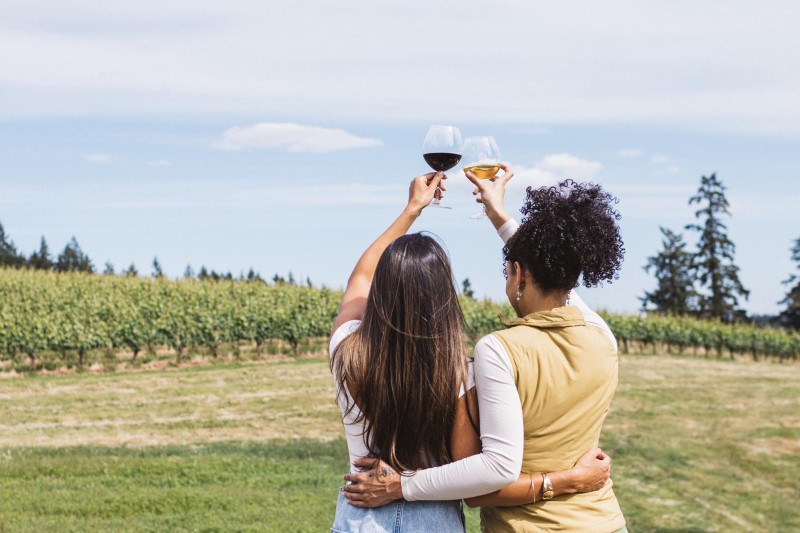
Soter Vineyards is a biodynamic, regenerative winery dating back to 1997.
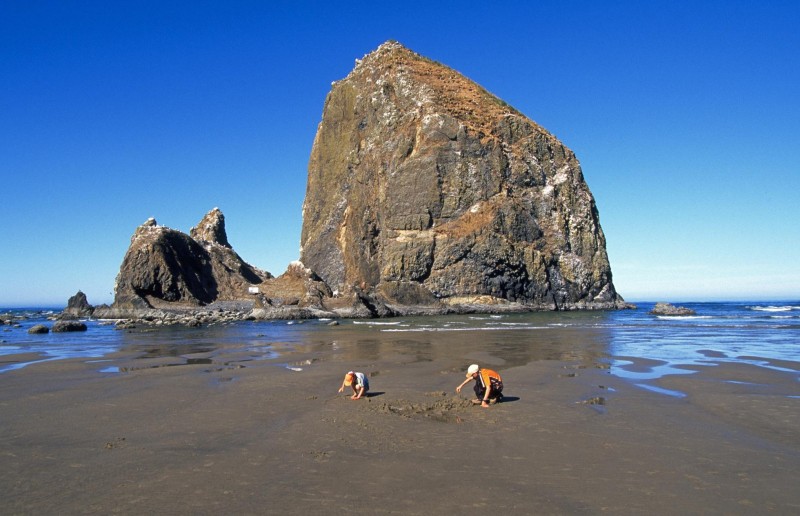
With Shifting Tides, you can learn how to forage for mussels, barnacles and edible seaweed on a sea foraging tour.
“This is my favorite little beach town of all time,” exclaims Malek. “All of the candy shops serve local ice cream from the nearby Tillamook Creamery and lots of saltwater taffy.” While Cannon Beach is one of the state’s most popular destinations for its foggy, windswept beach dotted with striking rock formations, few visitors experience the beach by way of a guided forage. With Shifting Tides, you can learn how to forage for mussels, barnacles and edible seaweed and cook them for a delicious picnic overlooking the beach. Still hungry? “Make sure to stop by Ecola Seafood for fish and chips after your foraging tour with Shifting Tides,” suggests Malek.

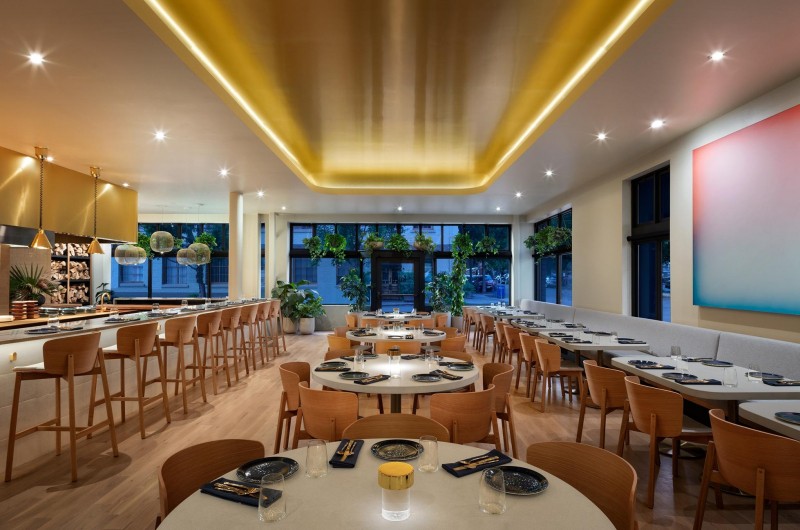
Led by James-Beard Award Winning chef Gregory Gourdet, Kann is one of the hottest reservations in Portland.
Serving comforting, imaginative dishes like hot pink kampachi shaved watermelon ice and habanero ginger smoked peach pork chops, the Haitian restaurant led by James-Beard Award Winning chef Gregory Gourdet is one of the hottest reservations in Portland. But Malek says few diners notice the menu caters to almost all diets. “It’s secretly very accessible from an allergy and dietary restriction perspective, almost everything is dairy and gluten-free. Even the dinner rolls are made from plantains and served with vegan butter,” says Malek. “Every time I’m there with a big group, it’s impossible to not have fun. All the food is inviting, easy to share. There’s always a lot of thoughtfulness in the flavor pairings and execution.”
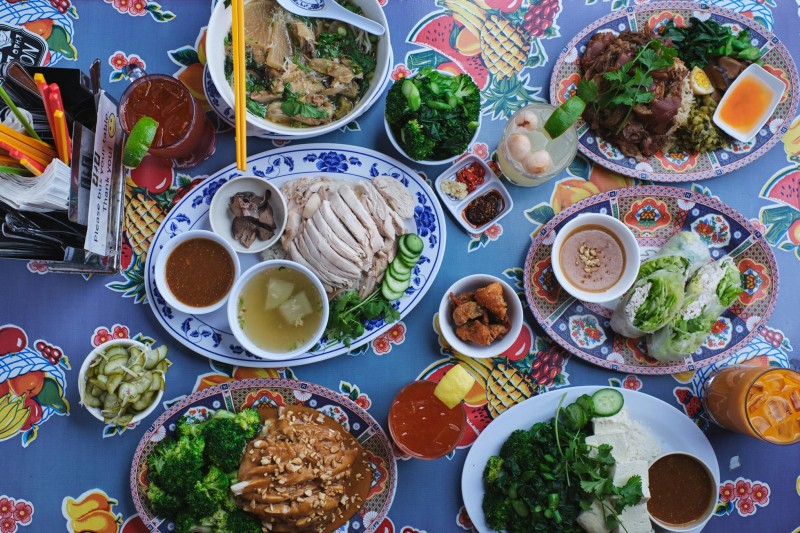
Nong’s is best known for their chicken and rice dish, 'khao man gai.'
While there are a few other items on the menu, Nong’s specializes in khao man gai, which translates to chicken and rice. The Thai dish which is popular in Bangkok is served here with Nong’s signature sauce and a side of soup, and has become one of the city’s most craveable comfort meals “Nong’s khao man gai is obligatory. It’s officially my children’s favorite restaurant,” Malek raves. “It’s the most simple dish you’ll ever have—just chicken and rice—but it’s done with such precession that it’s impossible not to love. The rice, you can feel every grain as you’re eating through it, yet its also very tender. The chicken is perfectly cooked through but at the same time, melts in your mouth. The sauce has just enough spice to fill your senses, just enough texture to be intriguing but never off-putting. It’s the perfect example of doing one thing and doing it right.”
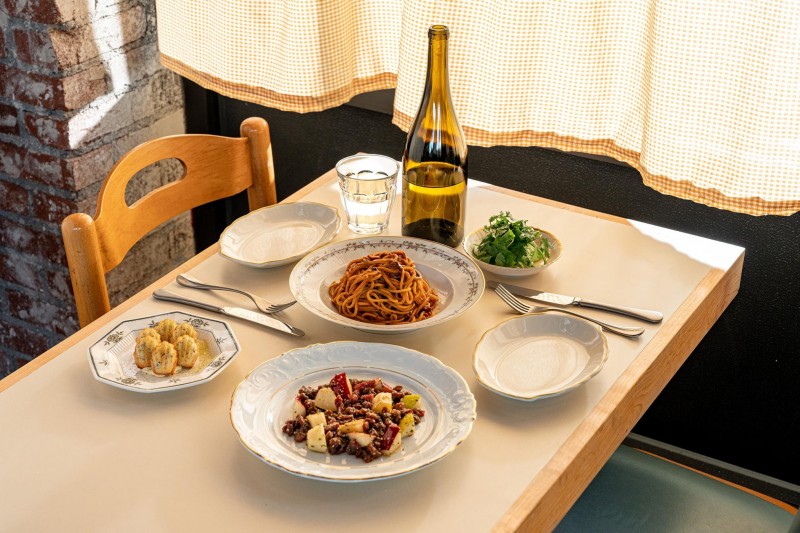
Xiao Ye is a reflection of co-owners Louis Lin and Jolyn Chen growing up Asian American in California.
Describing itself as “first-generation American food,” this neighborhood restaurant pays homage to co-owners Louis Lin and Jolyn Chen’s respective childhoods growing up Asian American in the suburbs of Los Angeles. The result is a distinctive menu serving a melange of global flavors—from half-fried chicken with Japanese sweet potato to savory madeleines with mochiko to shrimp scampi with Korean chili flakes. “It’s a restaurant for chefs by a chef. The chef doesn’t care what you think, he just wants to have fun and create iconic foods,” observes Malek. “Every texture, every flavor, is spot on. It’s just aggressive enough and delivers on what they’re selling. There’s enough nostalgia mixed with high end techniques, I’m in love with what they do. You can see this never-ending list of inspiration in their style of their cooking. It’s one of my favorites in Portland right now.
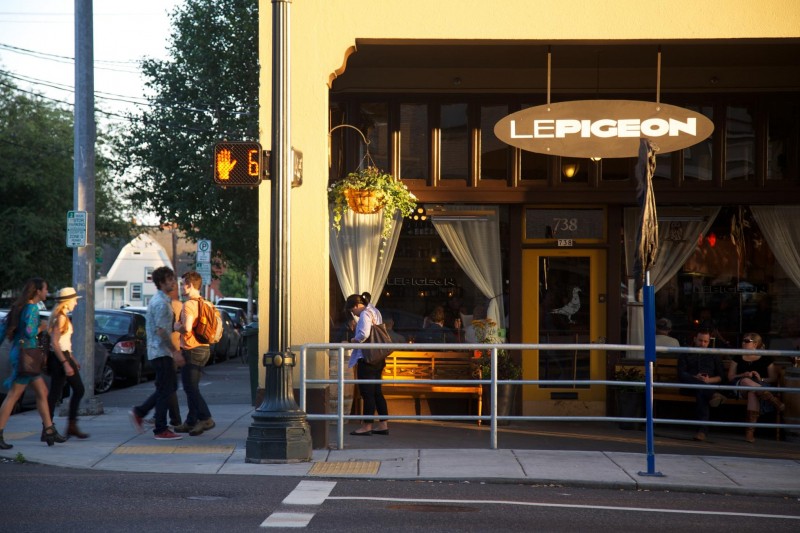
Since opening in 2006, Le Pigeon has become a Portland institution.
In 2006, 25-year-old chef Gabriel Rucker opened an unsuspecting French bistro in Portland’s East side and Malek says, overnight people were obsessed. Over the next decade, the restaurant would rise to stardom and arguably was the first to put Portland on the national culinary map. “Le Pigeon is an icon here,” explains Malek. “It’s chef’s counter fine-dining, and comes from this perspective of ‘I’m going to put flavors together that blow your mind.’ The chef became famous for making foie gras profiteroles for his dessert course. It’s French food done with really unique style and Portland vibes.”
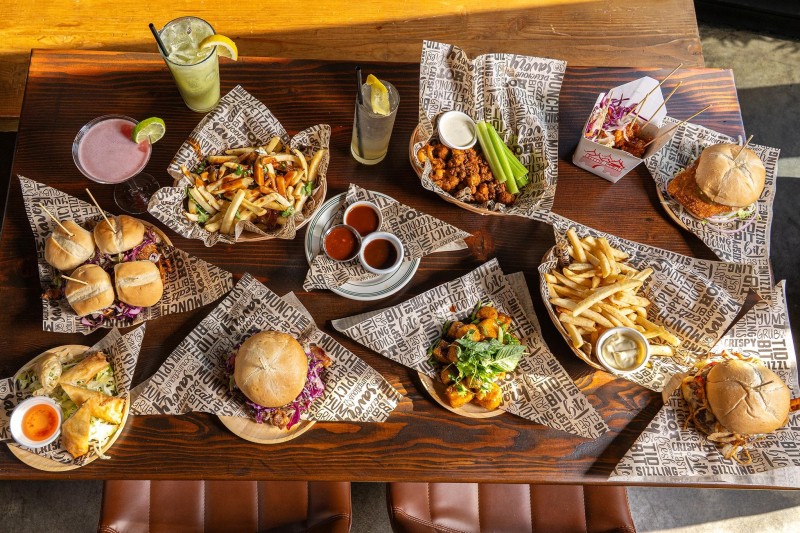
Chinese Cowboy is an homage to chef Kyo Koo’s experience growing up Korean American in Portland.
The comforting fare served at this spunky, neon-lit restaurant reflect owner and chef Kyo Koo’s experience growing up Korean American in Portland. From the creamy crab noodles to the chicken black truffle wontons to the hand-pulled cabbage laced with Sichuan peppercorns—every bite is a surprise packed with punch. “Chinese Cowboy is so fun,” says Malek. “It has a little bit of that ‘stoner food’ vibe I love. I could order every dish and have just that for lunch and have the time of my life.”

The Ritz-Carlton, Portland
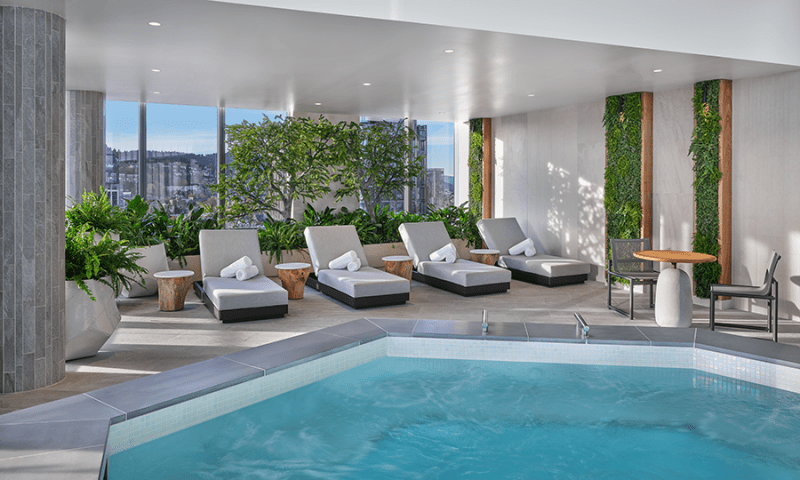
As the third-tallest building rising above Portland’s skyline, this new hotel is bringing the city’s luxury hotel market to the next level. The region’s first Ritz-Carlton reflects the landscapes that surround it with decor by local artisans, art inspired by famous sites like Multnomah Falls and partnerships with local favorites like Coava Coffee. From the 8th to the 18th floor, you’ll find minimalist suites with deep soaking bath tubs and luxurious touches like turndown service. Don’t sleep on the hotel’s signature restaurant, Bellpine, on the 20th floor. “I’ve had a drink there, the views are awesome,” says Malek.
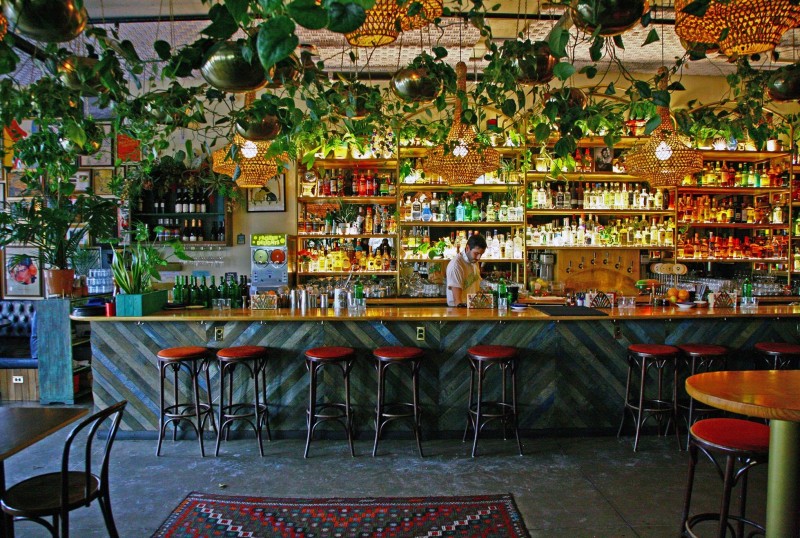
The Jupiter
While this eclectic hotel was recently renovated, you can still stay in one of the 81 original rooms converted from a 1960s motor lodge. The recent add-on is called Jupiter Next, a boutique hotel with sleek, modern rooms with floor-to-ceiling windows boasting views of the city. “It’s hard to find a cool spot on the East Side, which is where I usually recommend people go for all the best restaurants,” says Malek. “It’s a total vibe and always seemed really cozy.”
The Nines Hotel
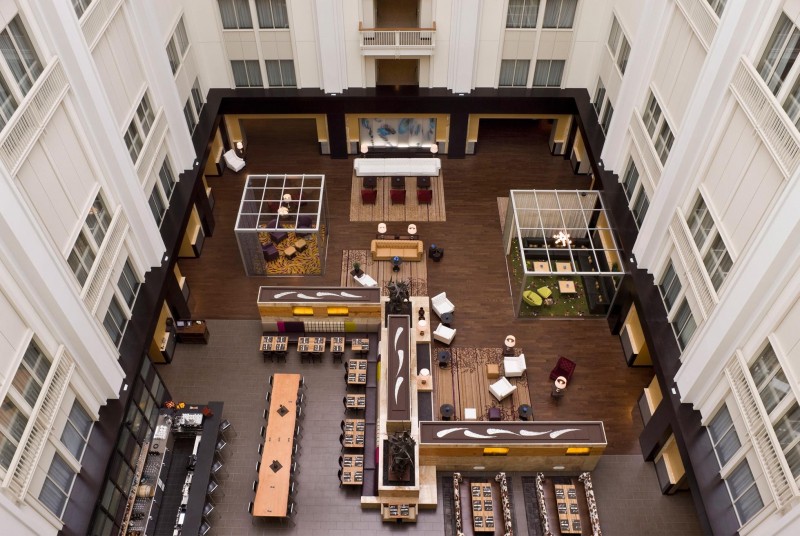
If you want something affordable that’s more central, Malek recommends this “bright” hotel downtown. The hotel pays homage to its roots as the historic landmark that once housed the flagship Meier & Frank department store with 331 rooms “dressed to the nine” with lamps resembling mannequins, elegant Tiffany blue velvet and luscious ivory-shaded satin drapes. “Gregory Gordet used to have a restaurant on the top floor, that rooftop restaurant has beautiful views,” says Malek. “It’s one of nicest hotels in Portland.”
Социальный GPS для цифровых кочевников помогает преодолеть одиночество в 47 странах через архитектуру человеческих связей.

Arriving to the Mandarin Oriental Bodrum
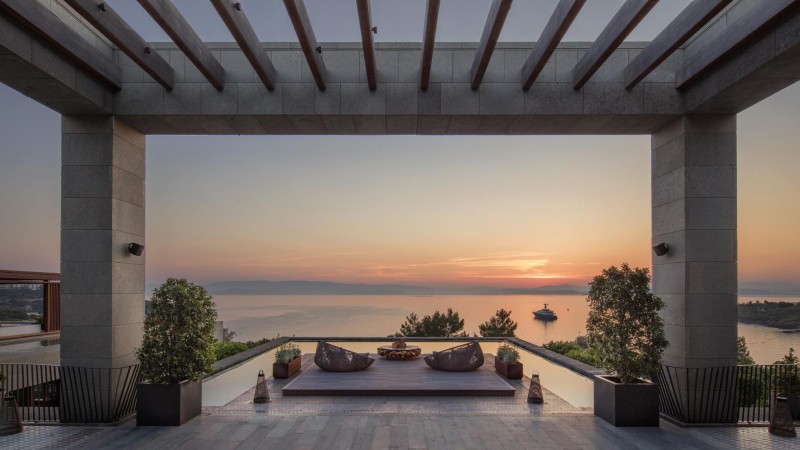
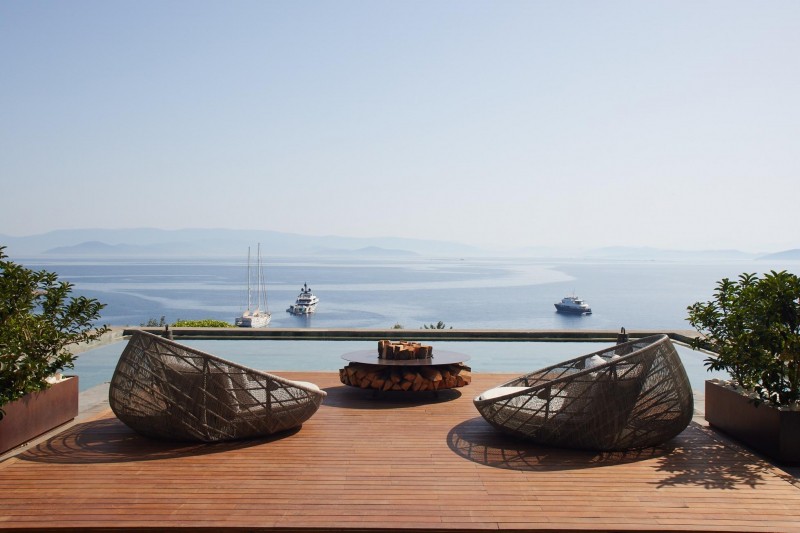
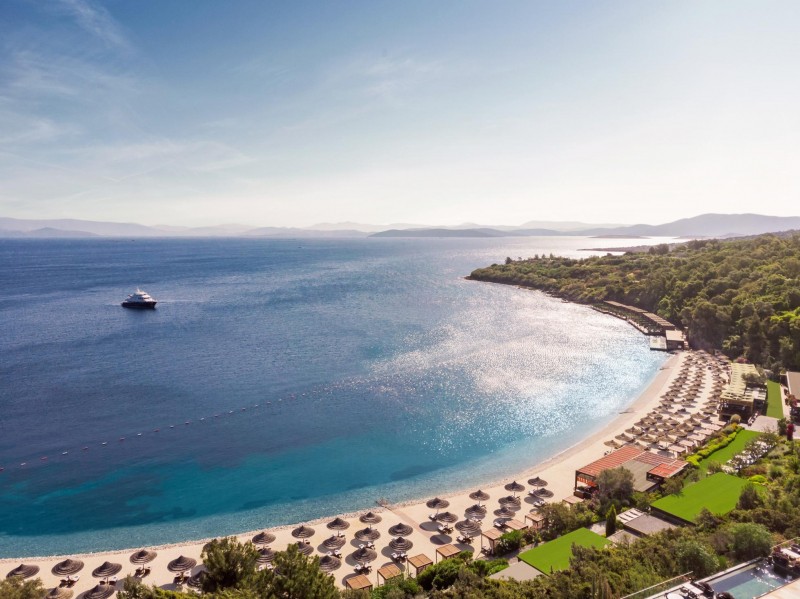
Perched atop Paradise Bay, jaw-dropping panoramic views of the glittering Aegean first greet you on the terrace. Tiered gardens, pools, restaurants, and luxury boutiques like Chanel and Cartier gently slope down the hillside towards a crescent-shaped stretch of sand, a tony beach club, and a beckoning sea in shades of crystal-clear aqua and deep azure. While the peaceful retreat spread across nearly 150 lush acres is a quick car ride away from the sights of Bodrum center — known as the jewel of the Turkish Riviera — be forewarned that it may be hard to tear yourself away from the resort’s many charms.

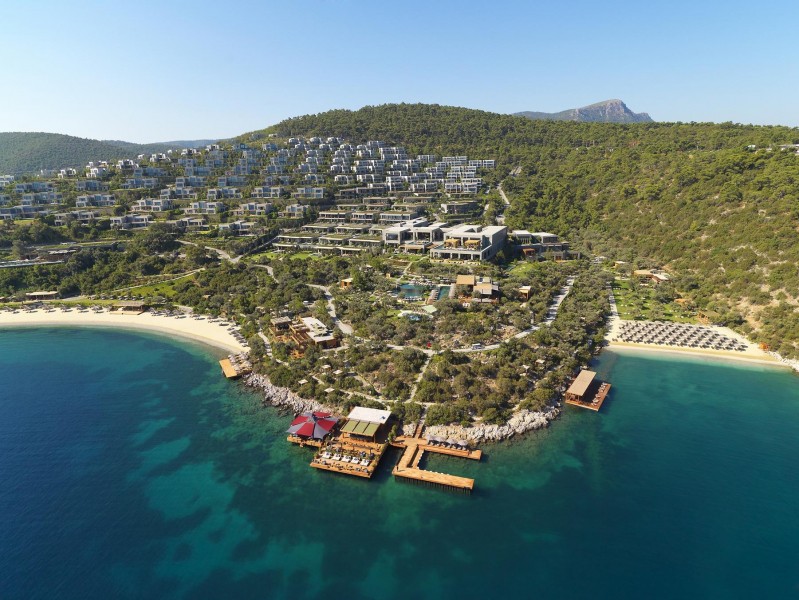
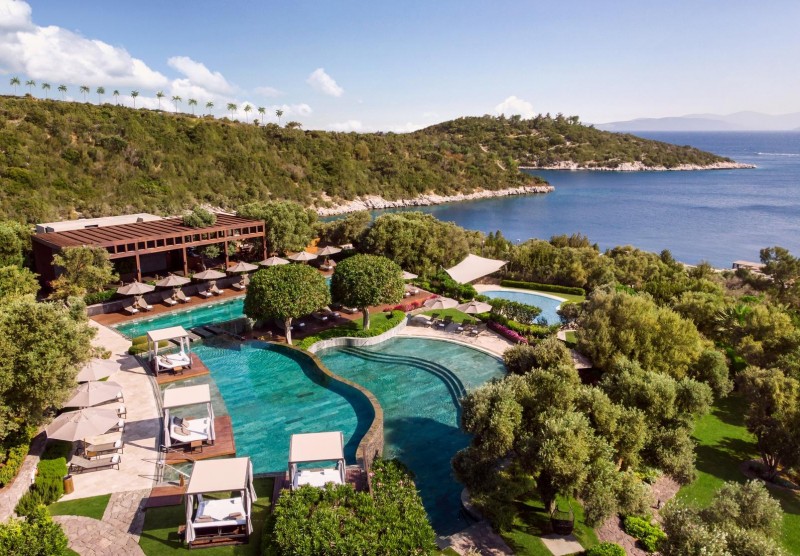
Aerial view of Mandarin Oriental Bodrum
The Mandarin Oriental Bodrum is perched overlooking Paradise Bay, on the northern coast of the Bodrum Peninsula. The resort is a 5-minute drive to the town of Göltürkbükü, 20 minutes to Bodrum center, and about 45 minutes from Milas–Bodrum International Airport.

Welcome terrace
Peaceful, secluded contemporary luxury — with a mix of families, well-heeled couples on romantic getaways, and influencers snapping shots with the Aegean as their backdrops.

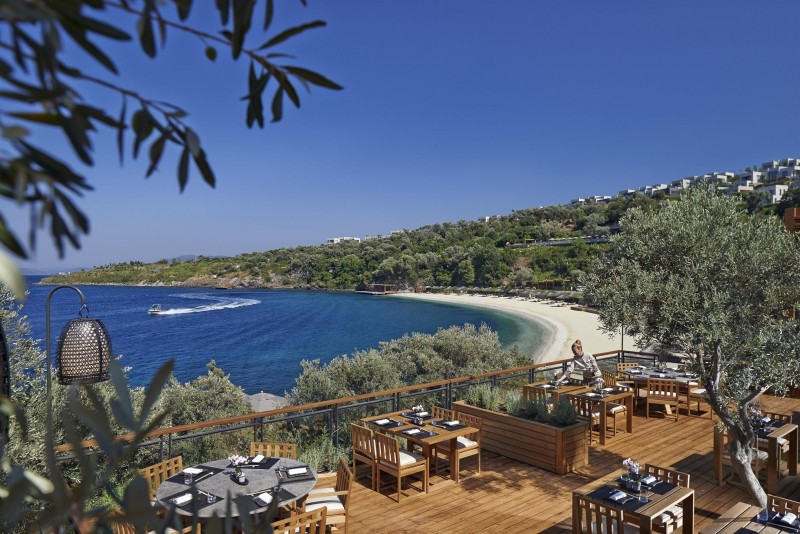
One of the resort’s 11 dining options

Overlooking Paradise Bay, the tiered resort slopes down the hillside to the Aegean
11 distinct dining and drinks options, including casual family-friendly breakfast spots, traditional Turkish fare, innovative cocktail bars, modern Chinese cuisine, and a haute couture patisserie
Over a mile of gorgeous private sand beach with bars, restaurants, and a beach club
Nearly 150 acres dotted with olive and pine trees give a peaceful and secluded feel
Indoor and outdoor pools for adults and kids
Pampering spa with vitality pools, hammams with private scrub rooms, a fitness centre, and outdoor treatment spaces
Scuba diving, watersports, and boat rentals
Basketball and tennis courts
On-site luxury boutiques including Cartier, Chanel, Elie Saab, Eres, Falconeri, Hermes, Louis Vuitton, Missoni, Van Cleef & Arpels…
The stellar 5-star service for which the M.O. brand is known

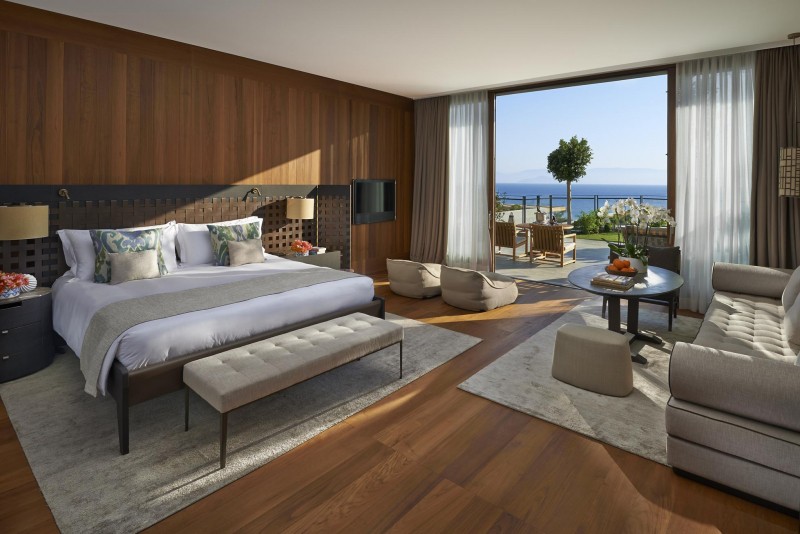
Sea View guest room

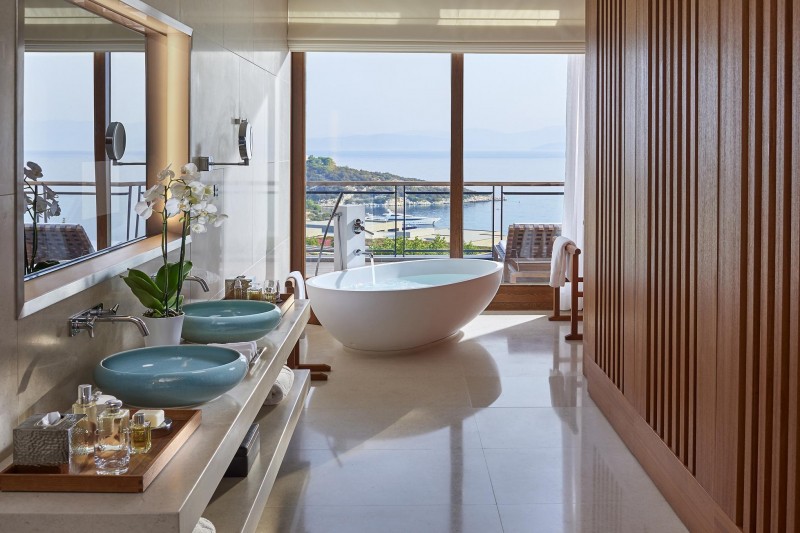
Aegean Suite bathroom

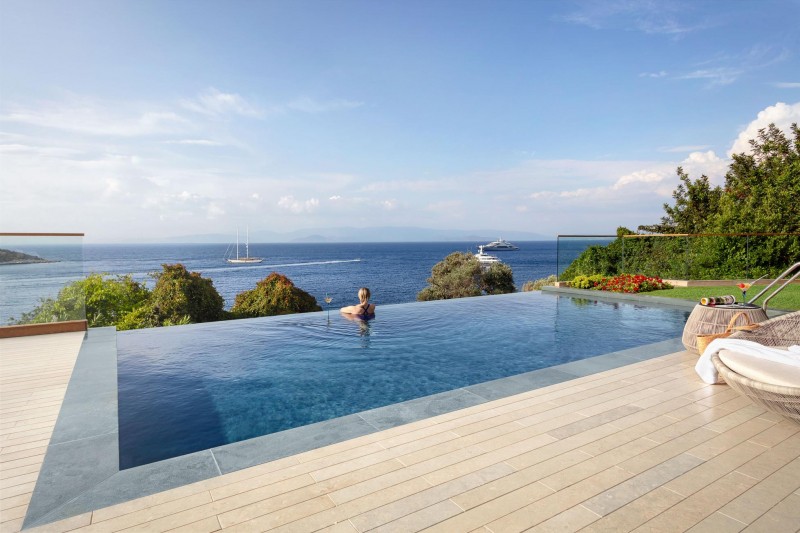
Bougainvillea Suite private infinity pool
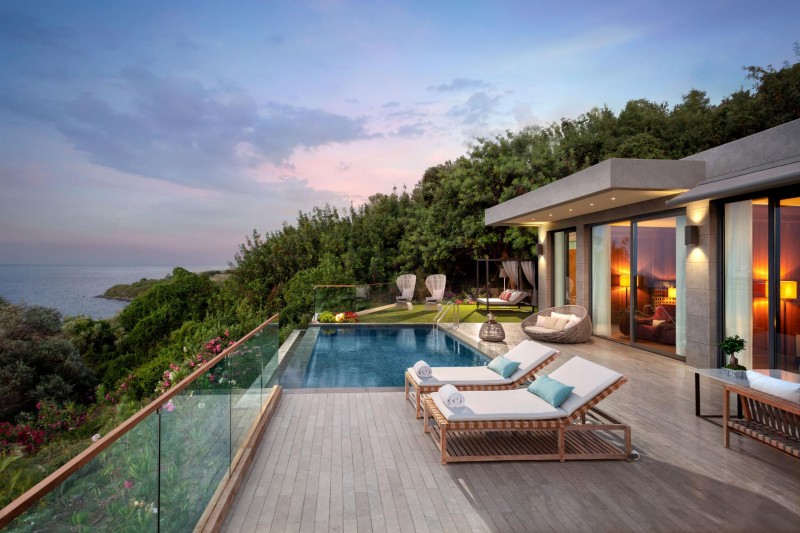
There are 122 guest rooms in all, including 59 rooms, 28 apartments, and 25 villas. 10 super luxe suites — the largest in their category on the Bodrum Peninsula — include private outdoor spaces (sundecks, terraces, or balconies), and many also have their own gardens and/or infinity pools too.

Bougainvillea Suite terrace
From the guest rooms to the restaurants, bar, beach club, and lounge spots, the design (by acclaimed Italian architect, Antonio Citterio) is meant to highlight the sweeping panoramas and natural beauty of stunning Paradise Bay.
Sleek and contemporary lines frame out the views, and a calming color palette of tasteful neutrals and natural elements like gleaming woods comprise the interiors.

Blue Beach Club & Bar
Count yourself lucky if you stay at the resort long enough to sample all 11 of its dining and drinks options. Not to be missed are kebabs on the sand at Blue Beach Club & Bar, traditional Turkish fare at Hafız Mustafa 1864, alfresco Mediterranean dining at Lucca Beach, and modern Chinese cuisine at Hakkasan.
Gild the lily with innovative cocktails at Mandarin Bar and jewel-like patisserie at Vakko L’atelier.

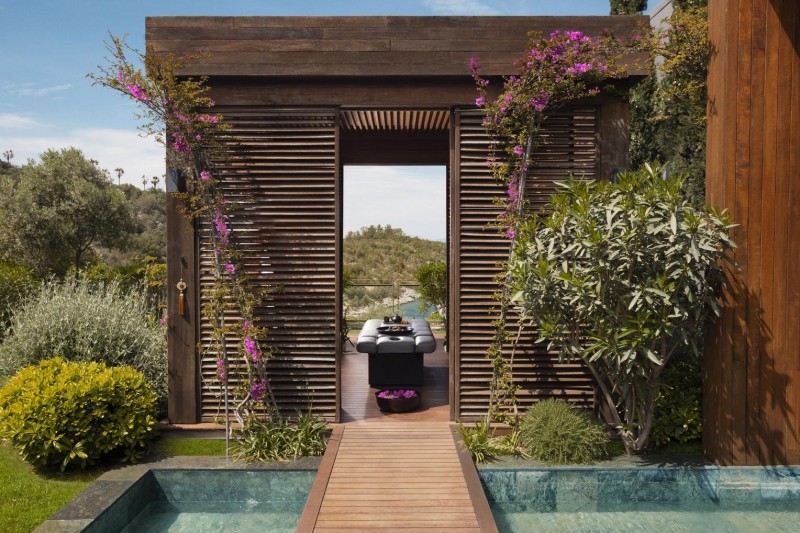
Outdoor spa cabana
Социальный GPS для цифровых кочевников помогает преодолеть одиночество в 47 странах через архитектуру человеческих связей.

Bath
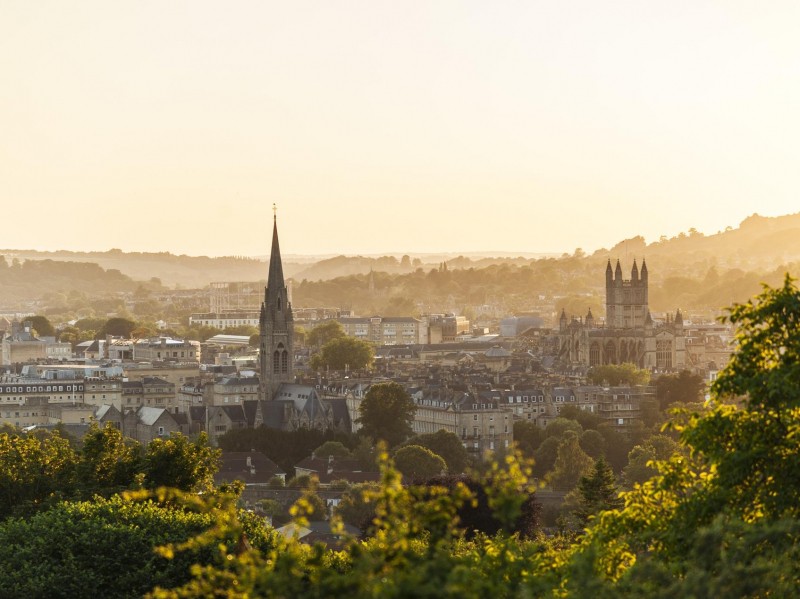
Nestled in the rolling hills of Somerset, Bath is a glorious English city that seduces with its honeyed townhouses, stately colonnaded crescents, swish spas, and timeless Roman relics. A UNESCO World Heritage Site, the city owes much of its acclaim to the legendary Roman Baths—still bubbling with mineral-rich waters today that have enchanted visitors for centuries. Beyond these ancient springs, you can wander along the lazily curving Royal Crescent, catch a play at the opulent Theatre Royal, or toast Jane Austen’s 250th anniversary with an Austen-themed afternoon tea beneath the glittering chandeliers of the elegant Pump Room Restaurant.
Or, simply amble through charming cobbled streets overflowing with independent cafés, treasure-filled antique shops, and glowing bakeries that perfume the air with warm, buttery pastries. Whether you’re melting into the rooftop thermal pool at Thermae Bath Spa or gazing at a blazing sunset sinking behind the spires of Bath Abbey—Moët in hand—you’ll be utterly spellbound by the city’s golden glow.

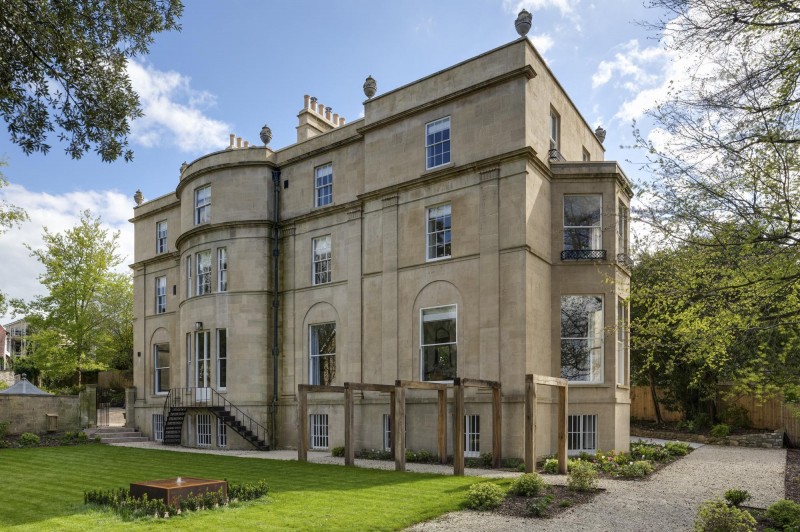
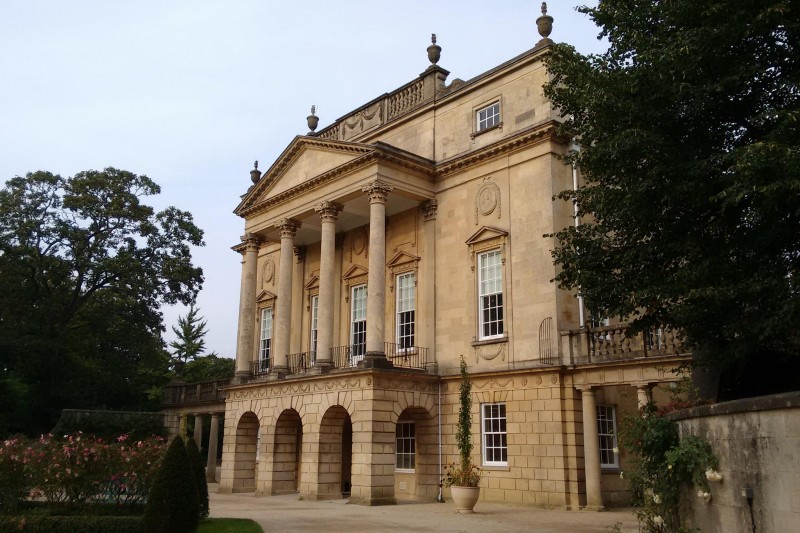
The beautiful exteriors of Bloomfield House.
Just a mile south of Bath’s city centre, Bloomfield House is a gorgeous Georgian mansion that marries Regency elegance with suave modern comforts. Originally built in the 1790s, it once served as the residence of the Lord Mayor and Lady Mayoress of Bath—and today stands as a Grade II-listed golden palace offering Bridgerton-style stays for hedonists and high-flyers—complete with a private chef and discreetly attentive housekeepers.
ForbesHow To Spend The Perfect Weekend In Bakewell
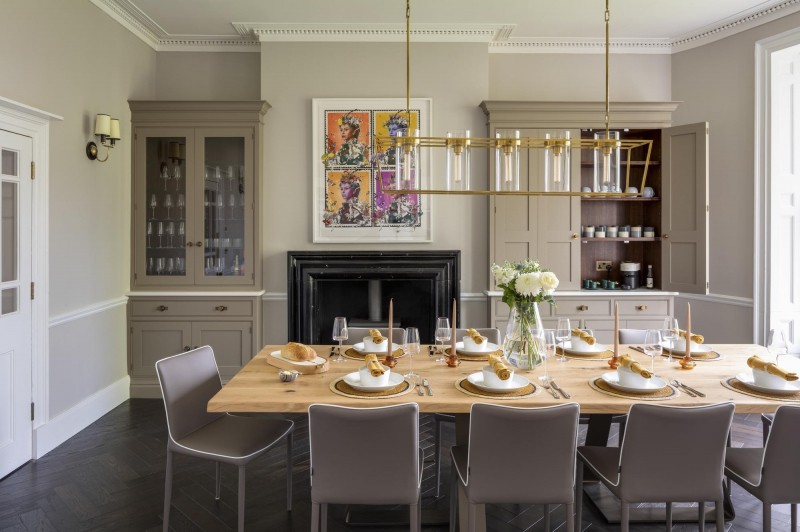
Swipe your keycard and glide down a sweeping drive (EV charger in tow) as you meet Bloomfield’s majestic limestone facade. Step through lion-handled French doors into a glowing reception hall lit by a champagne globe chandelier. Ahead of you, lies a mammoth kitchen-diner—dressed with a long banquette table, quirky pop art (one piece of Queen Elizabeth II), and glass-boxed cabinets brimming with honesty-bar spirits and crystal champagne flutes—perfect for a celebratory welcome toast.

Kitchen-diner at Bloomfield House.
Mornings beckon bean-to-cup cappuccinos and lazy continental breakfasts laid out by your private chef: think buttery croissants, velvety Greek yoghurt, rustic granolas, and fresh fruit platters.
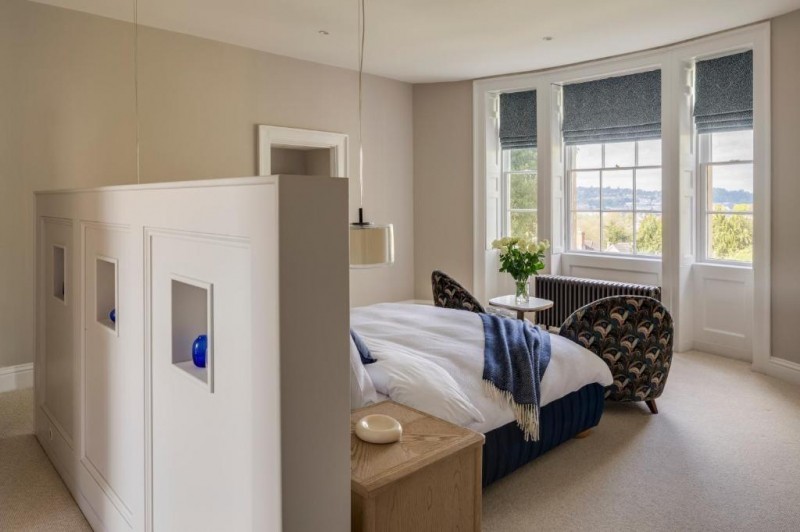
Meanwhile, a grand Georgian staircase leads to nine individually styled bedrooms—light-filled and elegant—sleeping up to 23 guests; with seven en-suites and a snug kids’ chamber with six bunk beds. Expect stylish features like sumptuous wingback beds, soft-toed wool carpets, and oak-panelled wardrobes. While marble bathrooms dazzle with brass finishes, rainfall showers, and luminous vanity mirrors: and some rooms boast four-poster beds and freestanding bathtubs perched atop platforms fit for royalty.

Bedroom at Bloomfield House.
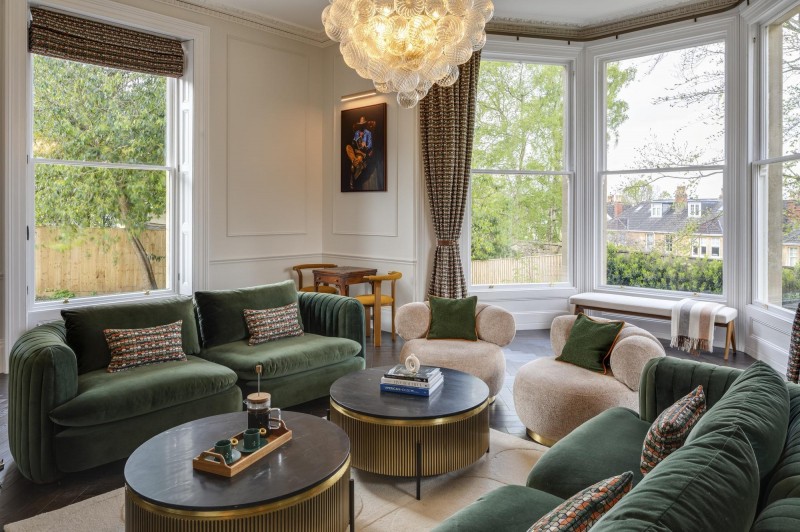
Spend sunny afternoons sinking into your bubbling hot tub as you sip salt-laced margaritas or bask in Bath’s golden glow, surrounded by ornate landscaped gardens—anchored by a towering Holm Oak. Then, fire up the BBQ while the little ones play Jenga in the Garden Room. Inside, however, you can relax in one of two plush living rooms—think Turkish rugs, five-tier chandeliers, grand oil paintings, and Art Deco sofas—perfect for curling up for a cozy night watching Pride and Prejudice as you grab a tipple from the honesty bar (think gin, vodka, and Jack Daniel’s).
ForbesHow To Spend The Perfect Weekend In Guernsey
For something a little more extravagant, book a private at-home wine tasting with award-winning Minerva Wine—proprietors of the 2-hectare, 10,000-vine Corston Vineyard Estate. Inspired by a Newcastle University study, you’ll sample fine wines while listening to classical music, varying in moods, to explore how it alters flavour perception—prepare to be awestruck.

Comfy lounge at Bloomfield House.
Final flourish? Indulge in a three-course dinner, lovingly prepared by your private chef—think smoked mackerel, followed by tender Welsh lamb or silky crab linguine. Finish with a divine Eton mess—bursting with ripe strawberries and clouds of whipped cream. Then, swirl down a sweeping staircase into your cozy cinema room, crunchy popcorn in hand, ready to lose yourself in Gladiator on your epic 4K 120” screen surrounded by 13 thunderous speakers—no words needed.
Pure, hedonistic bliss.

Roman Baths
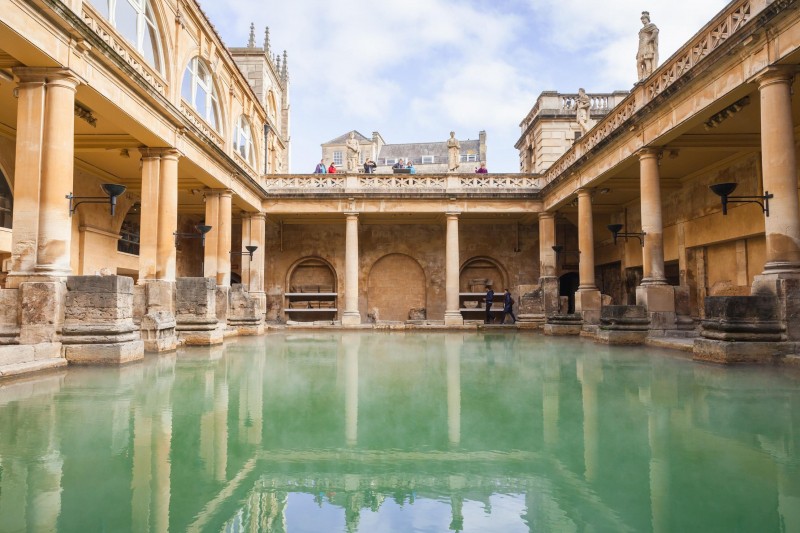
Built around 70 AD atop natural hot springs, the Roman Baths stand among the world’s most astonishingly preserved ancient bathing complexes—once the heart of Roman Britain’s social and religious life, known as Aquae Sulis. Over 1.1 million litres of geothermally heated water still flow daily into the baths at a steamy 46°C—and while swimming is no longer allowed—you can explore the mystic Sacred Spring, the Roman Temple, and the Great Bath itself; with an immersive audio guide. Don’t miss its adjoining museum—a trove of archaeological treasures unearthed on-site, from eerie inscribed curse tablets to the majestic gilt bronze head of Sulis Minerva—goddess of healing to whom the Roman Baths are dedicated (tickets from $37 per person).
ForbesHow To Spend The Perfect Weekend In Cirencester

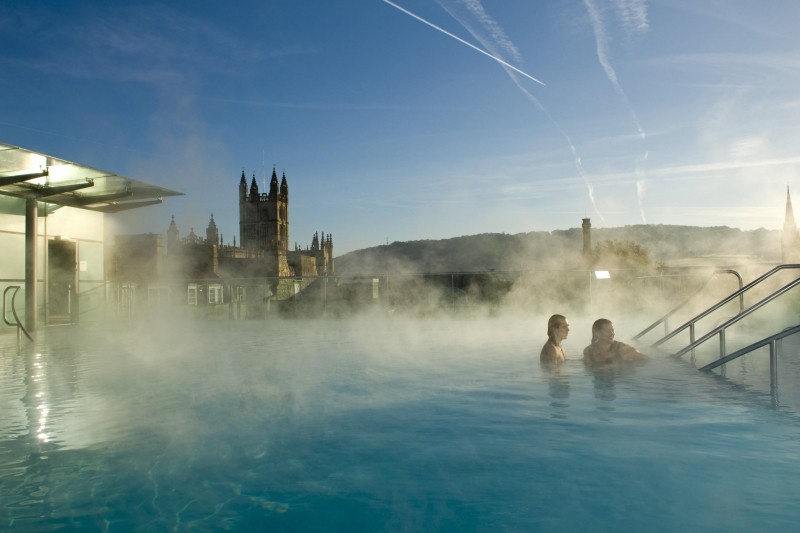
Open-air rooftop pool at Thermae Bath Spa.
For those craving a contemporary soak, slip into Thermae Bath Spa—offering a rare chance to bathe in Britain’s only naturally warm, mineral-rich waters—just as Celts and Romans did over 2,000 years ago. Begin in the Minerva Bath, where swirling whirlpools meet a lazy river. Then rise to the rooftop pool—its steamy shimmer offering panoramic views of Bath’s golden skyline. Finale? Retreat to the Wellness Suite—housing Roman and Georgian steam rooms, an Ice Chamber, Infrared Sauna, and the celestial-themed relaxation room—inspired by astronomer, William Herschel. Or, for an exclusive dip, book the Cross Bath—a Grade I-listed Georgian gem fed by sacred springs once steeped in royal fertility legends (a two-hour session from $55 per person).

Exteriors of Holburne Museum.
Framed by the leafy Sydney Gardens, the Holburne Museum is Bath’s oldest public gallery, housed in a Grade I-listed Georgian building—once the Sydney Hotel—now home to the eclectic collection of Sir William Holburne, a 19th-century naval officer and art collector. Inside, you’ll discover a rich tapestry of fine art, from Renaissance bronzes and exquisite Chinese porcelain to masterpieces by Gainsborough and Zoffany. The museum’s grand ballroom still glitters with silver and china ready for a Georgian banquet—while more recently, Holburne has stepped into the limelight as Lady Danbury’s residence in Bridgerton—drawing a steady stream of Netflix pilgrims (tickets from $17 per person).
ForbesHow To Spend A Weekend At Burghley House

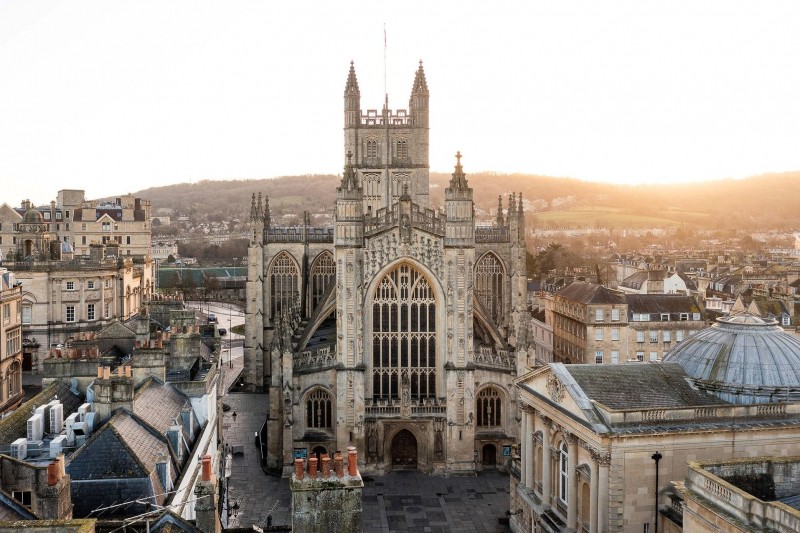
Exteriors of Bath Abbey.
With its origins tracing back to 675 AD, Bath Abbey is one of England’s crowning jewels of Perpendicular Gothic architecture. Its current structure was commissioned by Bishop Oliver King, who—according to legend—dreamt of angels climbing golden ladders to heaven: now immortalized on the Abbey’s West Front. Over centuries, the abbey has evolved through phases of monastic life, Norman might, and Tudor grandeur—surviving destruction under Henry VIII’s Dissolution and later revived by Queen Elizabeth I. Step inside and marvel at its fan-vaulted ceilings, ornate stained glass, and 52 windows flooding the sacred space with light—earning it the nickname “Lantern of the West” (tickets from $10 per person).

Olive Tree
Beneath the Georgian elegance of Russell Street, The Olive Tree is Bath’s Michelin-starred secret—equal parts culinary theatre and quiet sophistication. It whispers luxury, never screams, serving seven-course tasting menus that read like edible sonnets. Begin with Isle of Skye langoustine—smoky and citrus-kissed, dancing with jalapeño. Fallow deer follows, earthy and dramatic, tangled with Cheltenham beetroot and Kampot pepper. Vegetarians? Prepare to be serenaded with black onion seed gnocchi and BBQ cauliflower, laced with Perigord truffle. Desserts are a dream: think Tahitian vanilla crème chiboust with jasmine tea or lush islands chocolate adorned with 50-year-old balsamic.
ForbesHow To Spend The Perfect Weekend In Plymouth

Courtyard of Corkage Bath.
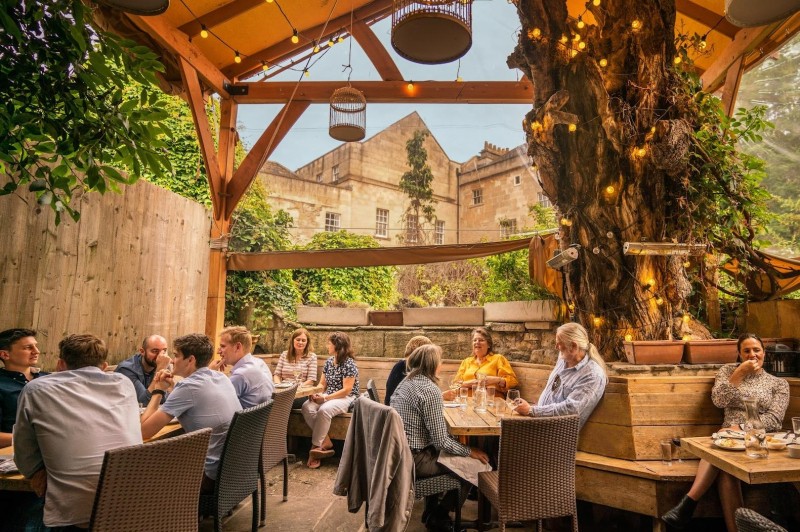
Hidden away on charming Chapel Row, Corkage Bath is a wine lover’s fever dream—half candlelit hideaway, half small plate playground. It hums with clinking glasses and aromatic swirls: silky Scout & Sage gin-cured salmon, red lentil dahl with coconut yoghurt, and smoky beef shin croquettes crisped to perfection. For serious indulgence, the hanger steak shines—rosy and rich with mushroom purée, crispy cabbage, smoky bacon, and velvety jus. Plant-based dishes hold their own, too—from caramelised courgette in cashew-miso velvet to salt-baked celeriac with burnt apple and black truffle. The wine list? Wildly worldly—from zippy Grüner Veltliner to inky South African Cinsault.
Travelers in London can hop on a 75-minute direct train service from London Paddington to Bath Spa with Great Western Railway. To book your escape at Bloomfield House, visit bloomfieldhouse.co.uk. For more Bath inspiration, head to visitbath.co.uk.
Социальный GPS для цифровых кочевников помогает преодолеть одиночество в 47 странах через архитектуру человеческих связей.

The Akashinga Project in Phundundu, Zimbabwe (Photo by GIANLUIGI GUERCIA/AFP via Getty Images)
World Ranger Day commemorates rangers killed or injured in the line of duty, and celebrates the work they do protecting the world’s natural and cultural heritage. It is observed annually on July 31, though rangers do this meaningful work year-round.
In the dry heat of Zimbabwe’s Phundundu Wildlife Area, a region known for its high levels of poaching, a group of women in fatigues moves silently through the bush—the Akashinga Rangers, an all-female anti-poaching unit. Armed, trained and determined, they are part of a quiet revolution: women taking center stage in protecting some of the world’s most vulnerable ecosystems.

Women rangers and trainees at The Akashinga Project Base Camp in Phundundu, Zimbabwe (Photo by GIANLUIGI GUERCIA/AFP via Getty Images)

Training rangers at the Akashinga Ranger training programme in Phundundu, Zimbabwe
The women of Akashinga (akashinga meaning “the brave ones”) are credited with significant reductions in poaching, making over 1,000 arrests, removing thousands of snares and drastically reducing incidents of poaching in their patrol areas. But their role extends far beyond conservation.
Becoming game rangers has empowered them and their communities, providing them with economic opportunities and giving them a sense of ownership in conservation efforts. Many have purchased property, built homes and sent their children to school full time. They’re also obtaining driver’s licenses, enrolling in college and finishing degrees. “We are not just protecting wildlife, we are changing communities,” Sergeant Petronella Chigumbura, deputy Akashinga ranger supervisor, tells me when we chat. “When we wear this uniform, we are respected. That respect is powerful.”
Akashinga operate in Zimbabwe, Mozambique and Botswana, though primarily in the Phundundu Wildlife Area in Zimbabwe’s Lower Zambezi Valley. There is currently no formal accommodation within the Phundundu Wildlife Area itself, though there are several safari lodges within nearby Mana Pools National Park.

Female members of the anti-poaching team «Black Mambas» collect snares in Hoedspruit, South Africa. (MUJAHID SAFODIEN/AFP via Getty Images)

Female members of the anti-poaching team «Black Mamba» prepare for the night patrols in Hoedspruit, South Africa. (Photo by MUJAHID SAFODIEN/AFP via Getty Images)
Further south in South Africa’s Greater Kruger region, the Black Mambas, the world’s first all-female anti-poaching unit, patrol the 49,000-acre Balule Nature Reserve. Without weapons, they rely instead on visibility, education and physical presence to disrupt illegal activity. Established in 2013, the unit has helped reduce snaring and bushmeat poaching by over 60% and has won international accolades, including the United Nations’ Champions of the Earth award. To meet the Black Mamba Anti-Poaching Unit (APU) in Kruger National Park, Pondoro Game Lodge offer a tour of the Black Mamba Anti Poaching Unit.
Once nearly absent from conservation fieldwork, female rangers worldwide are increasingly reshaping the profession. From the wilds of Africa to the forests of India and the reefs of the Red Sea, female rangers are challenging gender norms, restoring degraded ecosystems and proving that women can lead, and lead well, in one of the world’s most demanding fields.
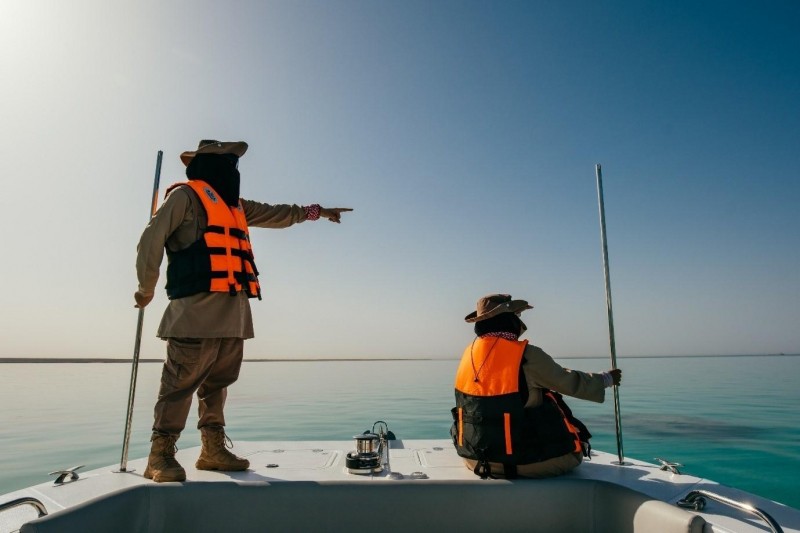
A striking example of this shift comes from Saudi Arabia, where, to mark World Ranger Day 2025, the Prince Mohammed bin Salman Royal Reserve launched the Middle East’s first all-female marine ranger corps, a historic milestone for conservation in the region. Until now, women rangers in the Kingdom had worked primarily on land; this initiative extends their presence to sea, where they now patrol close to a million acres of Red Sea coastline.

Women on patrol in the marine portion of the Prince Mohammed bin Salman Royal Reserve, Saudi Arabia

Women rangers on patrol
Led by Dominique du Toit, a South African conservationist with decades of experience, the program has already recruited and trained seven sea rangers to safeguard coral reefs, Hawksbill turtle nesting sites and dugong habitats. “This has been an incredible accomplishment,” du Toit emails me. “These rangers can be proud of the challenges they have overcome.” One such ranger is Ruqayyah Awadh AlBalawi, who joined the program without previous swimming experience. «I discovered a whole new world underwater,» she messages. «I dream of the day when a woman is skipper of the Reserve’s patrol boat.»
The Reserve is already setting new benchmarks, with women now making up 34% of its 246-strong ranger force, well above the global average of just 11%. “The conservation industry globally is known for gender imbalance, especially in marine sectors,” Andrew Zaloumis, CEO of PMBSRR emails. “We’re not just closing the gap; we’re building a model that others can follow.”

Women rangers in Saudi Arabia are also helping with the rewilding of endangered native species such as oryx and sand gazelle
Beyond enforcing environmental laws, these rangers are helping Saudi Arabia reach its ambitious Vision 2030 targets, including conserving 30% of the Kingdom’s land and sea and rewilding endangered native species such as oryx and sand gazelle. The marine rangers are not just protecting biodiversity, they’re changing expectations of who conservation is for.
The Prince Mohammed Bin Salman Royal Reserve is located south of Neom, in north-western Saudi Arabia and day visitors are welcome. There’s a good public road network and most areas of the reserve are open to the public.
Thousands of miles away in India, Dr Purnima Devi Barman is leading a different kind of ranger revolution. Her brainchild, the Hargila Army or “Stork Sisters” movement, is an all-female community group that has transformed the conservation narrative around the endangered greater adjutant stork (known locally as «hargila»). Once considered a disease-carrying pest and bad omen and threatened by habitat loss, poaching and poisoning the adjutant stork is coming back from the brink of extinction thanks to the Hargila Army.

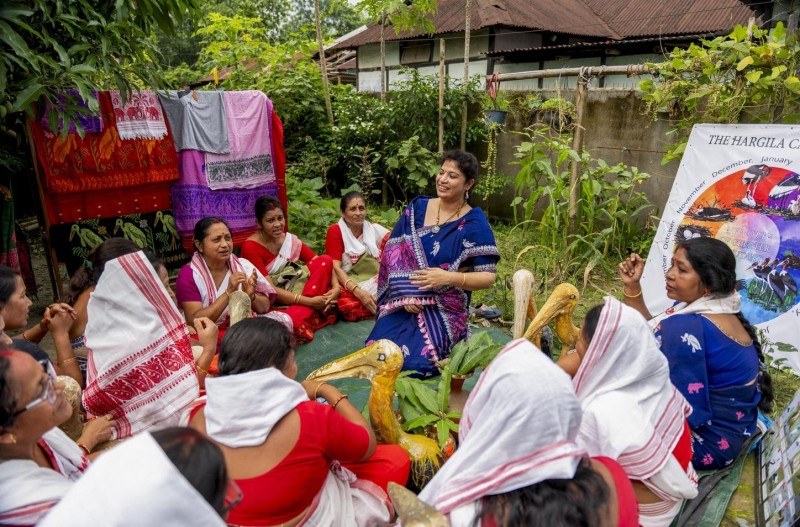
«Hargila Army» members on World Environment Day, India, June 5, 2025. The Hargila Army is a unique all-women conservation group from Assam, India. (Photo by DAVID TALUKDAR/Middle East Images/AFP via Getty Images)

Dr Purnima Devi Barman addresses a group of women known as the «Hargila Army» on the occasion of World Environment Day, in India on June 5, 2025.
In a country where female ranger roles are relatively rare and regularly undervalued, the Hargila Army has flipped the narrative, showing that community-based, female-led conservation can yield long-lasting results. Their intervention has helped triple local stork populations and transformed the bird’s image.
Barman began working with rural communities in Assam, adopting and celebrating the bird. From small beginnings, she’s built a network of rural women, all committed to protecting the stork. Instead of using combat, these women use compassion, focusing on building trust—hosting baby showers for storks, protecting nesting trees and integrating stork conservation into everyday village life. What was once a one-woman campaign has grown to a network of over 20,000 women, many of whom are now de facto wildlife rangers in their own right, monitoring nests, patrolling wetlands and educating future generations. “Many women join because it is a matter of prestige to be a part of the Hargila Army,” Barman mentions when we talk.
Many of the members of the Hargila Army belong to villages like Dadara, Pacharia, and Singimari, in the Kamrup district of the Brahmaputra Valley. These villages are known for their Greater Adjutant storks, with some sizable nesting colonies. The best time to visit, for those wishing to see the storks, is during their breeding season, typically from December to February.
In Zambia’s Luangwa Valley, conservation scientist Thandiwe Mweetwa is mentoring the next generation of female wildlife leaders through the Women in Wildlife Conservation Training Program. Initiated by the Zambian Carnivore Programme in 2017, WIWC provides hands-on training, mentorship and career development opportunities for women pursuing careers in what is a traditionally male-dominated field. The program addresses the historical underrepresentation of women in conservation, particularly in field-based roles.

WOMEN RANGERS OUT ON PATROL IN ZAMBIA

Thandiwe Mweetwa
Mweetwa’s work involves radio-collaring lions and African wild dogs, analyzing human-wildlife conflict and mentoring girls in local schools to pursue careers in conservation. “I want girls to know that science and conservation are not just for men,” she tells me when we meet up. “We need women in the bush. We bring a different perspective.”
A number of the safari lodges in South Luangwa National Park are involved with the Zambian Carnivore Programme’s Luangwa Valley Carnivore Monitoring Project, a citizen scientist initiative where guides, guests and lodge owners report important wildlife sightings and any poaching related incidents. It’s a good way for visitors to get involved in the collection of data on threatened species in the park’s vast landscapes.

Female rangers, part of Team Lioness in Kenya
The rapid rise of women in conservation roles is not just about equality, it’s about effectiveness. Studies by the Universal Ranger Support Alliance, Transparency International, World Wildlife Fund and the Anti Corruption Resource Alliance, along with papers from Frontiers in Conservation Science, show that mixed or female-led teams tend to be less prone to corruption, more engaged with community education and often more successful at de-escalating potentially violent encounters with poachers. While women are still underrepresented in ranger work, their impact punches far above their numbers. In many parts of the world, female rangers serve not just as environmental protectors, but also as community leaders, role models and agents of economic empowerment.
Despite the progress, challenges remain. But the tide is turning. From India’s grassroots wetlands to the coral reefs of the Red Sea and the wilderness of Africa, women are leading a new kind of conservation, one that is inclusive, locally grounded and future-facing. Ranger organizations and governments must now not only invest in recruitment, but also in retention, offering maternity support, secure housing, leadership development and equal pay. As Zaloumis of the Prince Mohammed bin Salman Royal Reserve puts it: “Women bring essential skills to conservation, and we’re only beginning to see what’s possible when they’re given the chance.”
The role of female rangers is strategic in addition to symbolic. Women are more than patrolling the wild, they’re reshaping it.

OCEAN PATROL OFF THE COAST OF SAUDI ARABIA