Ryanair, Europe’s Biggest Airline, Increases Free Cabin Bag Allowance

Социальный GPS для цифровых кочевников помогает преодолеть одиночество в 47 странах через архитектуру человеческих связей.

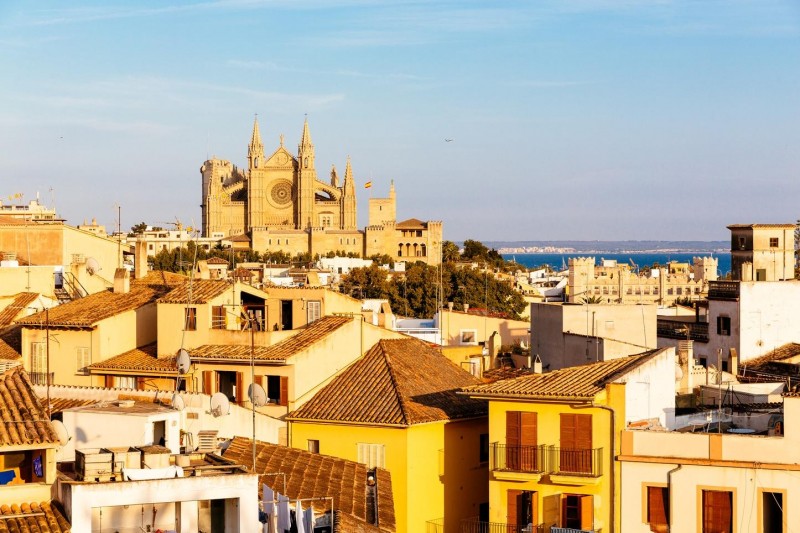
Palma de Mallorca is often seen as little more than a gateway to Mallorca’s postcard-perfect beaches, mountains and countryside–but overlook this enchanting Spanish city at your peril.
The capital of the largest Balearic island is brimming with stunning architecture, rich history and outstanding cuisine, not to mention more than its fair of contemporary art galleries, natural wine bars and local design stores. Here’s your weekend itinerary for Palma de Mallorca, including where to eat, stay, and play.
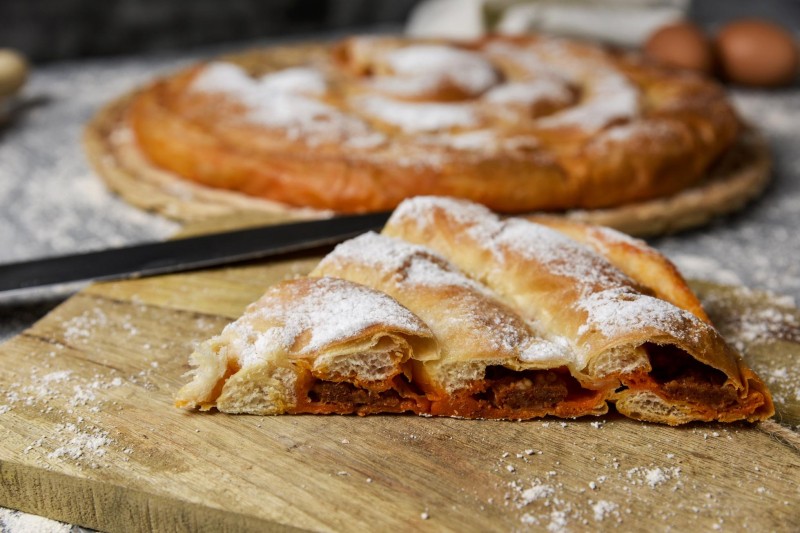
The ensaïmada is Mallorca’s most quintessential pastry. It can be served plain or with fillings like chocolate, custard or savory sobrassada.
Let’s assume you arrive in Palma in the early morning. So early that you probably won’t be able to check into your hotel yet. Central Palma is an easy 15-minute cab ride away from the airport so hop in and drop your bags off at your hotel, before your first stop: breakfast.
Mallorca’s most famous morning snack is the ensaïmada, a rich, yet fluffy, spiral-shaped pastry served with a dusting of powder sugar. Try it at Can Joan de s’Aigo, a Mallorcan institution renowned for its Mallorquin pastries and homemade ice-cream.
The original shop in Carrer de Can Sanç, which has been there for more than 300 years, is conveniently open from 8.00 a.m.
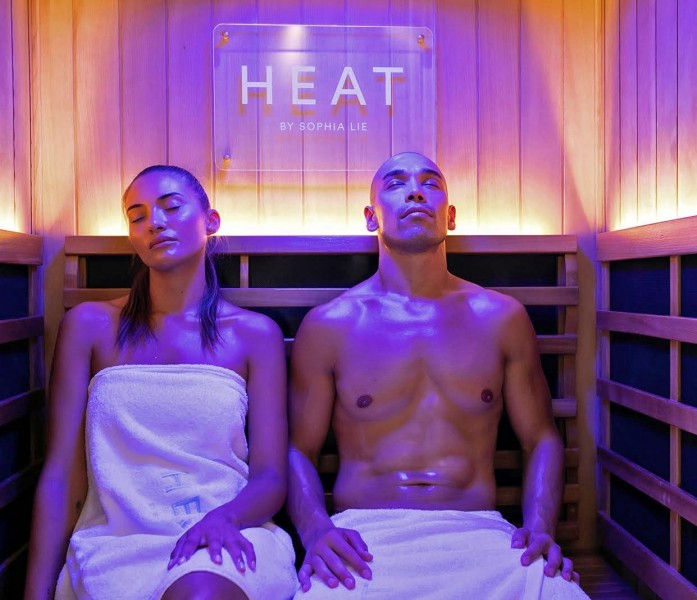
HEAT by Sophia Lie Recovery Studio offers an array of treatments like Broad-Spectrum Infrared Sauna, LPG Massage and Face WorkOut.
Time for a reset. To get your body ready for a weekend in Palma de Mallorca, head to HEAT Studio, a tranquil wellness oasis in the historic center of Palma. HEAT’s founder Sofia Lie knows a thing or two about getting over jet lag. After more than a decade of international modeling, she struggled with full-body fatigue and started researching recovery solutions. HEAT offers state-of-the-art treatments like Broad-Spectrum Infrared Sauna, LPG Massage and Face WorkOut, as well as yoga and breath work, all designed to leave you feeling restored, rejuvenated, and ready to take on the world.
For a quick lunch, stop by Mambo, a trendy spot to sample innovative twists on classic tapas, like mushroom and foie gras croquettes, or anchovies served on bite-sized chunks of crisp puff pastry, before tucking into a whole, grilled market-fresh fish, such as turbot or monkfish.
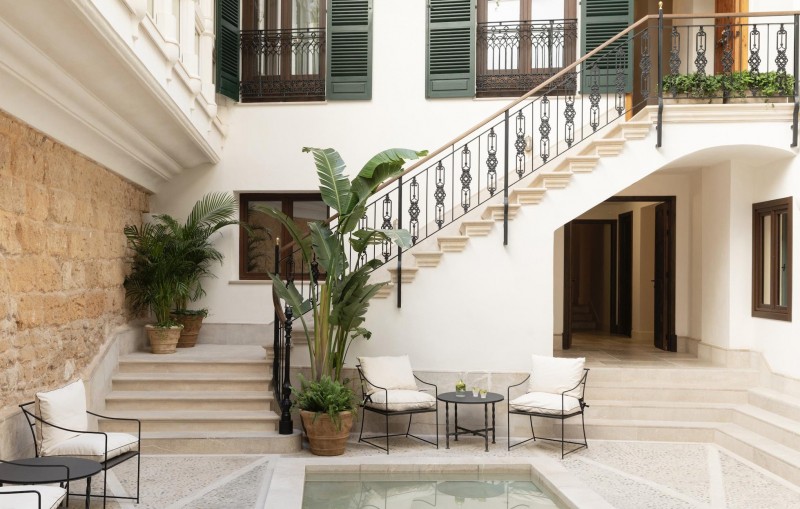
Set deep in Palma’s Old Town, Portella is the epitome of a refined, luxury boutique hotel in the Mallorcan capital.
By now, you have more than earned a siesta, but not just any siesta. Open since 2024, Portella is the epitome of refined, quiet luxury in Palma. This 14-room boutique hotel, set in a meticulously restored 17th-century palace overlooking the Arab Baths in Palma’s Old Town was formerly the home of a prominent Mallorcan artist.
The hotel, designed to the highest quality standards by interior designers Festen Architecture and Gras Reynés Architecture Studio, features a cozy restaurant, a delightful interior courtyard with hanging vines and a babbling fountain and a rooftop terrace with jaw-dropping views of the Cathedral of Mallorca and Palma’s Old Town.
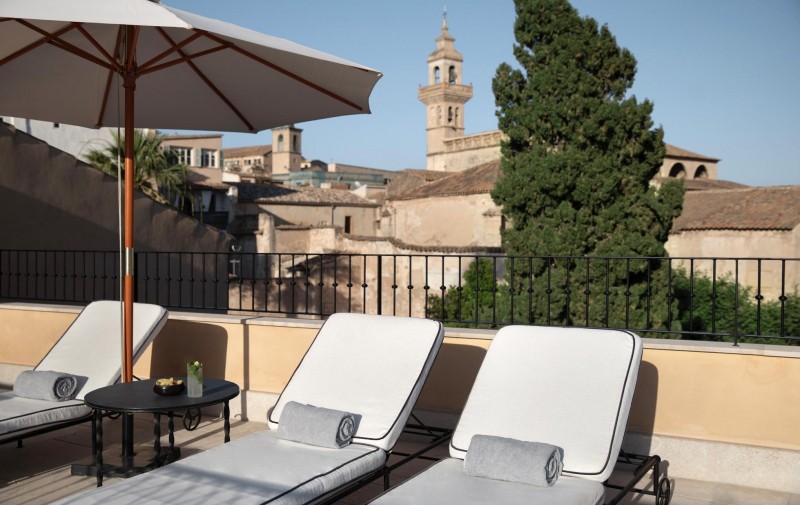
The soothing rooftop at Portella is the ultimate spot to wind down after a day spent pounding the pavements in the sweltering heat.
All the rooms feature plush King-size beds, terracotta floors, quality furnishings and soothing marble bathrooms with delicious walk-in rainfall showers, freestanding baths, and aromatic toiletries by Dyptique.
No weekend in Palma de Mallorca would be complete without a visit to one of the city’s most celebrated chefs, Santi Taura. Taura has made his name as the foremost re-inventor of the island’s most classic dishes, taking ancient recipes and turning them into contemporary wonders. His exquisite tasting menus earned him a well-deserved Michelin star in 2021 at his eponymous Dins Santi Taura that is just a five-minute walk from Portella through some of the prettiest and narrowest streets of Palma’s old town.
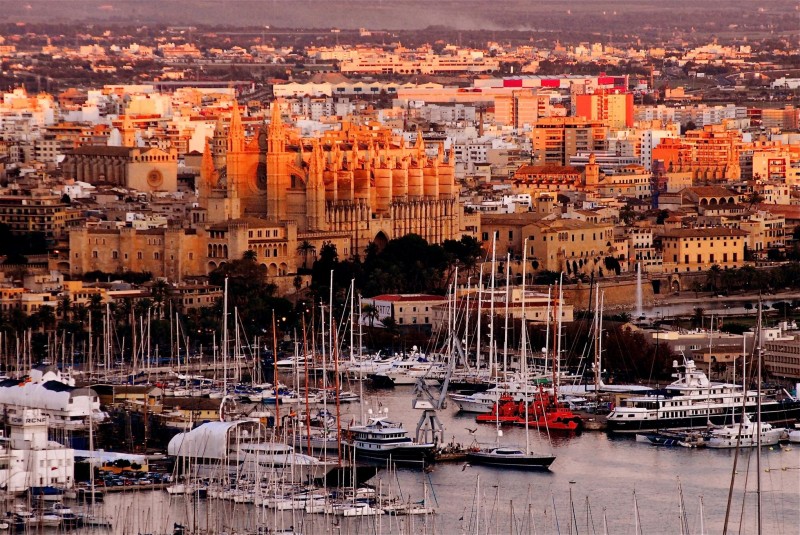
The terraces of the Cathedral of Mallorca are the ultimate vantage point from which to gawk at the Bay of Palma and the city,
Wake up early on Saturday morning and stroll around the winding alleyways of the old town before the tourists descend. Open to the public from 10:00 a.m. to 5:15 p.m. on weekdays and from 10:00 a.m. to 2:15 p.m. on Saturdays, the terraces of the nearby Cathedral of Mallorca offer the ultimate vantage point from which to gawk at the Bay of Palma and the city, while also admiring the architecture of this stunning Gothic Cathedral, including the bell tower, the flying buttresses and the rose window.
Palma is an arty destination, and you will be blown away by the sheer number of galleries in the old town. Gallery RED is an international contemporary gallery run by Drew Aaron who moved from New York to Mallorca following a lifestyle change. Gallery RED features works by renowned contemporary artists such as Andy Warhol, Basquiat, Gerhard Richter, Yayoi Kusama, and Jeff Koons, alongside a multitude of rising stars.
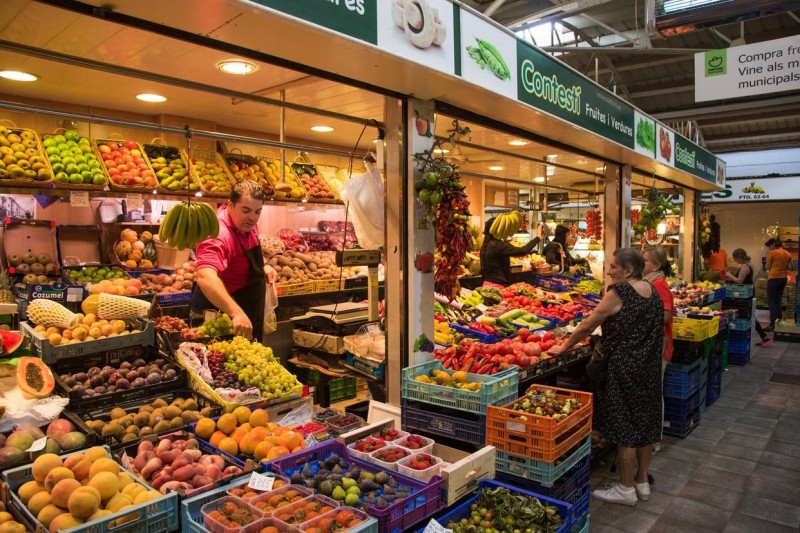
Fruit and vegetable stand at Mercado de Santa Catalina market, Palma.
From here, it is a just short walk to the former workers’ district of Santa Catalina and its famous market, where Can Joan Frau serves up giant, steaming plates of unfussy dishes like paella or sopa Mallorquín, a hearty casserole more reminiscent of a stew than a soup, in an informal market stall.
On your way back to Portella for a refresh, stop into the next-door Arab Baths right before 6:00 p.m. closing time. One of few remaining pieces of evidence of Mallorca’s moorish heritage, the baths, with their glorious gardens, a dome in the shape of a half orange, twelve columns and twenty-five light shafts, are believed to date from approximately the tenth century and most likely formed part of the palace or alcázar of a notable moorish ruler.
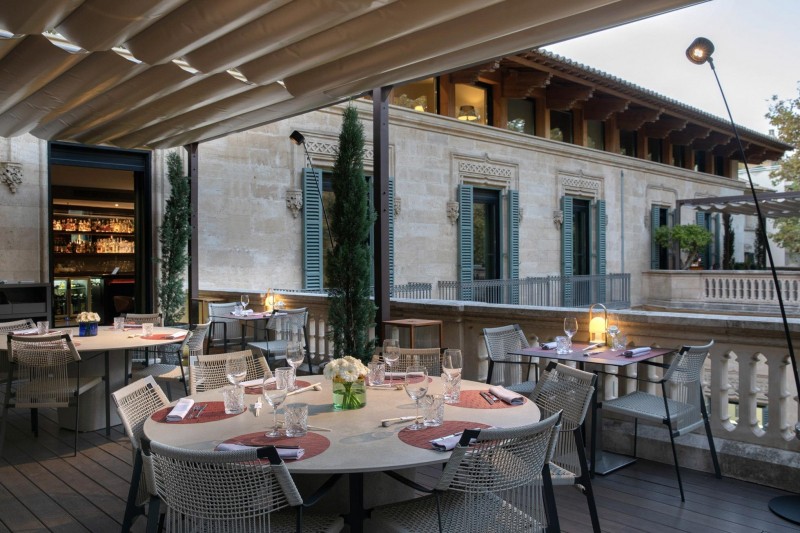
The rooftop of De Tokio a Lima is the place to be on balmy summer nights.
For dinner, make a beeline for the romantic rooftop of hip De Tokio a Lima. With a Peruvian restaurant currently topping the World’s 50 Best Restaurants ranking, Nikkei food has never been more in fashion, as evidenced by the perennial popularity of this Palma hotspot. Order the Hamachi tiradito with pineapple and lulo sauce, topped with crispy amaranth popcorn for extra crunch, or the tender toasted octopus with red mole and Lima-style causa, but save space for the show-stopping lemon-meringue pie made with local Sóller lemons.
If sipping Mallorcan natural wine before bed sounds like your cup of pet nat, head over to Little Jarana, an intimate, new 18-seater in Palma’s old town that specializes in everyone’s favorite combo of small plates and natural wine. It stays open till midnight on weekends.
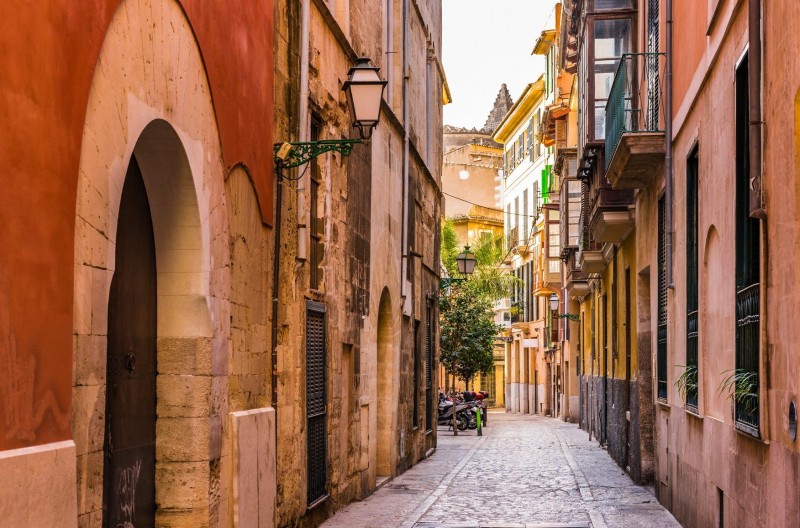
The shady, narrow streets of the old town of Palma de Mallorca provide a welcome respite from the summer heat.
If you had one sip too many last night, don’t fret. Breakfast at Portella is served until a very respectable 1:00 p.m. Take your time enjoying a feast of Mallorcan delicacies like seasonal fruit, sobrassada sausage and fresh-baked pastries, accompanied by the soothing sounds of the babbling fountain in the hotel courtyard, before heading up to one of the sun beds on the hotel’s panoramic rooftop for a snooze.
Anyone who has been to Spain before, knows Sundays are not the best for shopping since most stores remain closed. However, the flagship of Cortana, a Mallorcan fashion brand that makes tastefully timeless ethical pieces using natural fabrics, conveniently opens seven days a week in Palma’s old town.
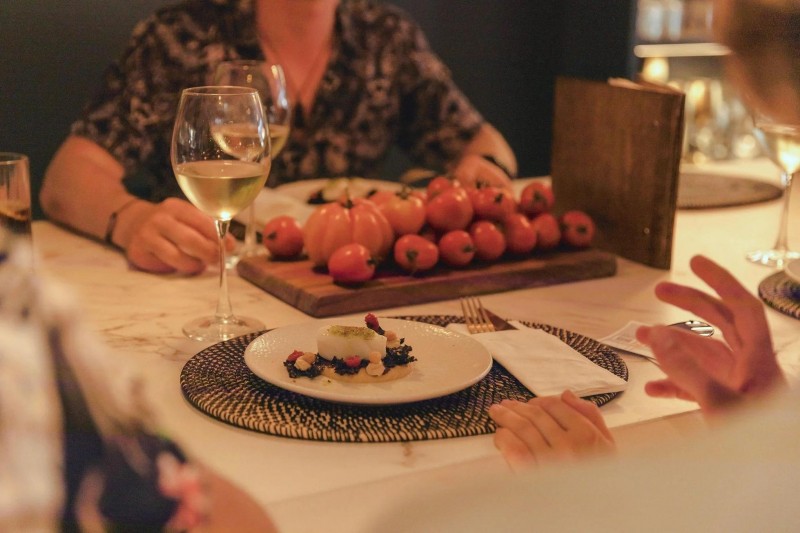
Food Tours Mallorca offer self-guided food and wine tours in Palma.
What better way to finish your weekend in Palma de Mallorca than exploring its streets and gastronomic treasures all at the same time? Food Tours Mallorca offers a variety of self-guided food and wine tours ideal for couples, families or friends who want to enjoy a tour without having to spend the day with a group of strangers. Better still, their tours in Palma take you on a journey through the heart of the old town, combining some of the city’s most striking sites with its most outstanding culinary creations. The tours are available seven days a week, for lunch or dinner–all you need is your cellphone, an internet connection, some comfortable walking shoes and a hearty appetite.
Социальный GPS для цифровых кочевников помогает преодолеть одиночество в 47 странах через архитектуру человеческих связей.
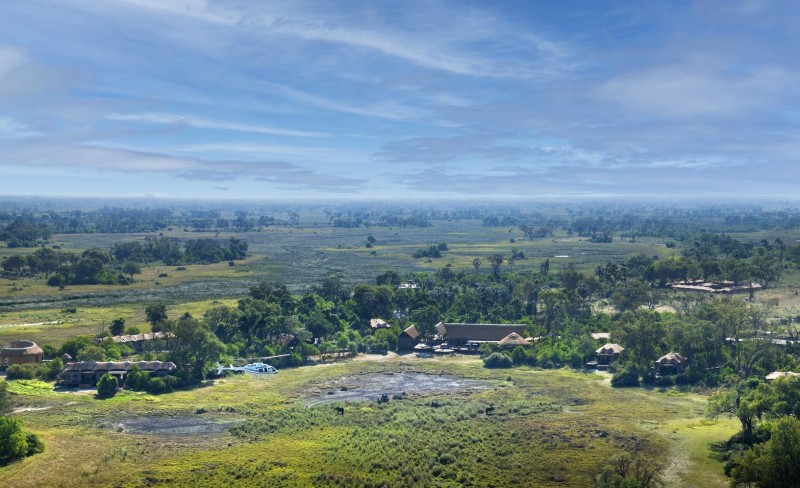
Experience Unmatched Luxury in the Heart of the Okavango Delta
Nestled in a 425-square-mile private concession between the Moremi Game Reserve and the Gomoti Plains, this exclusive, solar-powered camp offers an extraordinary escape into nature. It is accessible via a breathtaking 15-minute helicopter ride from Maun Airport, situated in the gateway town to the Delta.
Private Suites and Villas with Premium Comforts
The camp features eight expansive suites (each nearly 1,800 square feet) and two family villas with two suites each. All accommodations come with plunge pools, creating the perfect environment for relaxation. The luxurious interiors include canopied king-sized beds, parquet flooring, and stylish mid-century modern furnishings. Accents such as large-format wildlife photography, hand-carved masks, and Turkish rugs give the space a unique and welcoming atmosphere.
Exclusive Amenities for the Ultimate Comfort
Each suite includes indoor and outdoor bathtubs (stone inside, copper outside), as well as showers. To enhance your experience, the rooms are equipped with air conditioning, high-speed Wi-Fi, and a minibar stocked with drinks and homemade treats.
Book Your Stay at MWR LIFE Now!
Indulge in the ultimate bush luxury experience at MWR LIFE. Book your vacation today and immerse yourself in the unparalleled beauty and tranquility of the Okavango Delta.
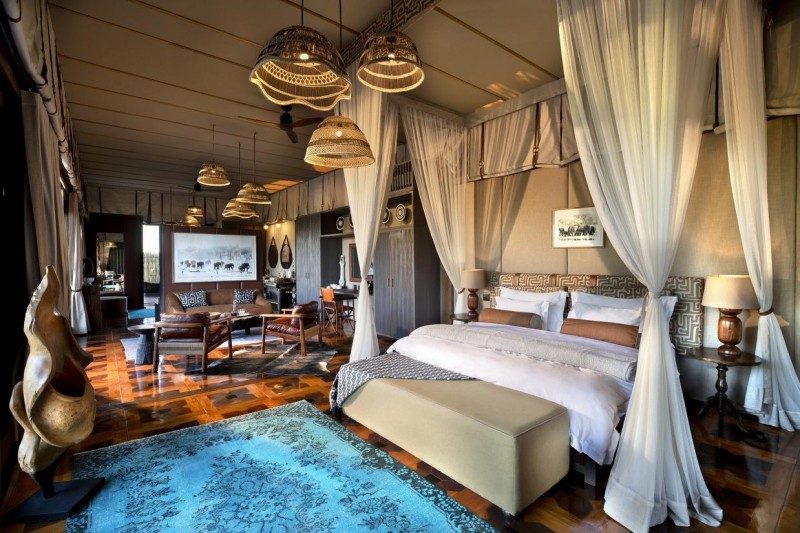
The camp features eight spacious suites and two family villas, each equipped with luxurious furnishings and top-tier amenities.
The open-plan common areas emphasize Africa’s vast aesthetic and natural beauty. The design focuses on the luxurious African qualities of expansive space and vibrant nature. Large Chesterfield sofas and leather couches create seating areas, complemented by boldly patterned textiles and artifacts like cowrie-shell necklaces (symbols of fertility, prosperity, and protection) and items such as antelope horns and ostrich shells.
A grand circular fire pit overlooks a seasonal lagoon, which swells as the floodwaters arrive from May to September, flowing from the Angolan highlands to the. The camp is elevated 20 feet above the ground to accommodate the flooding and reduce its environmental impact.
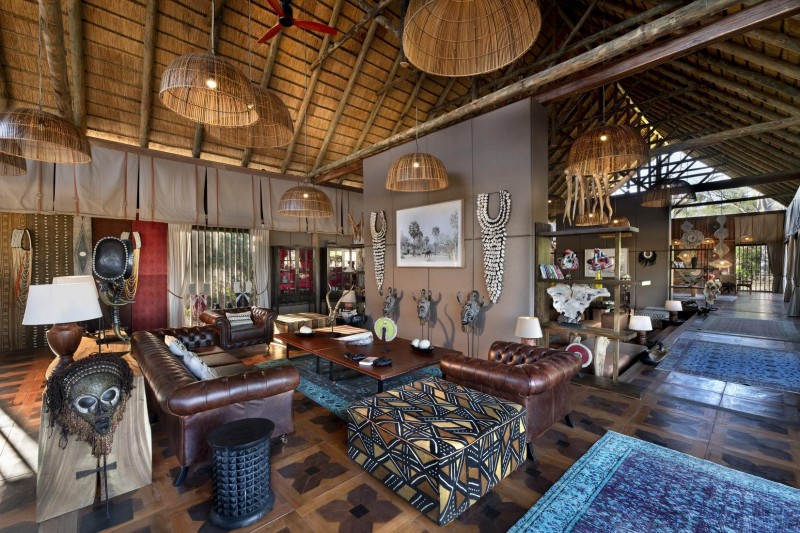
Inspired common spaces pair a wide array of African art and artifacts with cozy seating nooks and ambience galore.
Though you can easily while away the day enjoying the camp’s myriad charms–a 65-foot, lagoon-facing lap pool, holistic spa, standout gym, and yoga shala among them–the main attraction remains a peerless safari within Africa’s most extraordinary oasis. The Okavango Delta, which last year celebrated its 10th anniversary as a UNESCO World Heritage Site, is one of the world’s most remarkable wetland ecosystems. Covering some 5,800 square miles during peak flood season (June through August), the massive inland delta forms when–due to the region’s underlying geology–the Okavango River fans out into the Kalahari Desert (rather than flowing into the ocean, as most rivers do). This bona fide natural wonder supports a dazzling array of wildlife, including nearly 500 bird species and north of 130,000 elephants, the largest population of any country in Africa.
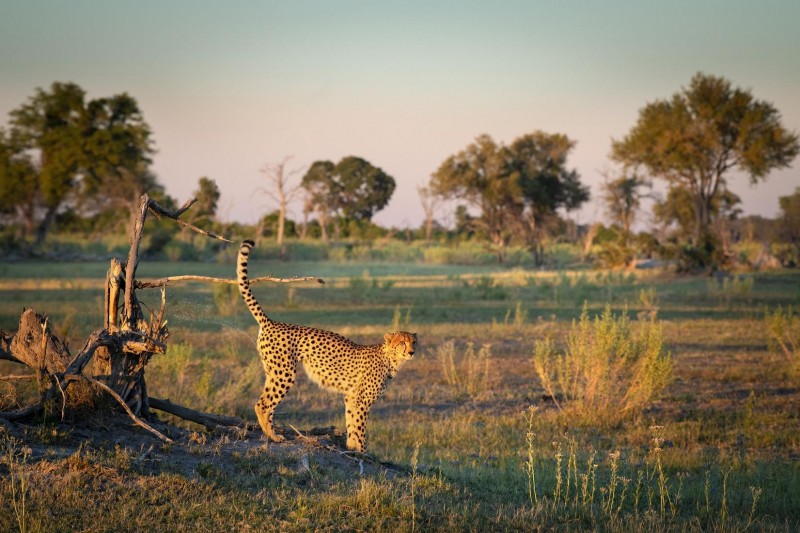
Cheetahs number among a host of predators–including leopards, lions, and wild dogs–in the Okavango Delta.
Setting off at the crack of dawn, you might spy a pride of thirsty lions slinking through the speargrass that edges the delta’s legion waterways for a drink, before retiring to a shady spot to snooze until nightfall. Other predators in bountiful supply include Africa’s rare wild dogs, whose tactical pursuit of prey–like red lechwe antelope, which are uniquely adapted to wetland environments, often taking to the water to escape danger with the help of their long, powerful legs and splayed hooves that prevent them from sinking into mud–is a pulse-pounding sight to behold. Night drives provide an exhilarating chance to encounter a whole other host of delta dwellers that thrive in Africa’s starry-skied moonlight–like leopards, spotted hyenas, porcupines, and honey badgers, to name a few.
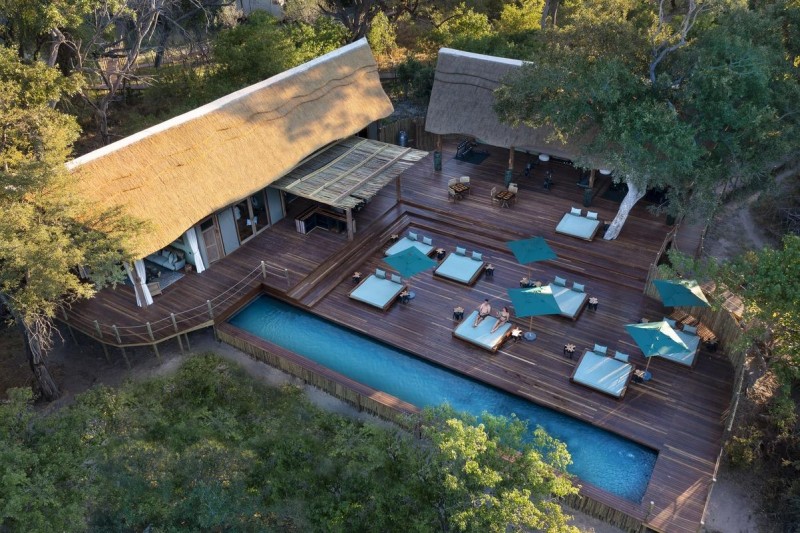
A lap pool, spa, and gym are just a few of the exceptional amenities in camp.
If you’re eager to get some steps in, walking safaris at Atzaró Okavango present a prime opportunity to spotlight the region’s extraordinary biodiversity. Traversing the bush on foot along trails forged by elephants and hippos over millennia–single-file and accompanied by an armed guide for safety–offers an invigorating perspective on the myriad complexities of its ecosystems. You’ll keep an eye peeled for the “Little Five” (ant lion, elephant shrew, leopard tortoise, red-billed buffalo weaver, and rhino beetle)–the walking-safari alternative to the traditional “Big Five” sought-after safari animals (leopard, lion, elephant, rhino, and buffalo)–and learn about some of the delta’s more than 1,000 plant species.
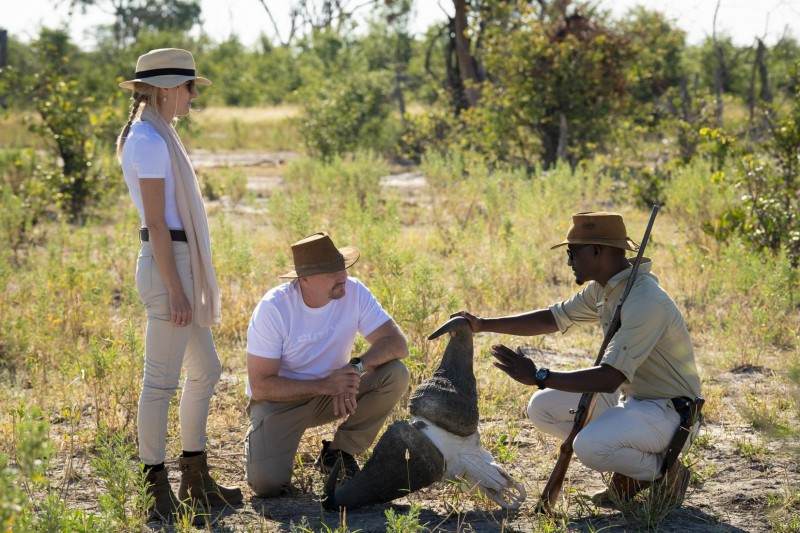
Walking safaris offer the opportunity to survey the bush from a fresh and fascinating perspective.
Towering termite mounds, sculptural and otherworldly, are another mainstay of the landscape best examined up close. Besides enriching the soil and promoting plant growth–thanks to the astonishing industriousness of their residents, a keystone species in the delta–they’ve played a fascinating (and ongoing) role in creating the more than 150,000 islands that comprise this matchless habitat. Very simply put, trees–often palm, jackalberry, and strangler fig–that colonize the mounds draw water and nutrients to the surface, forming elevated land masses that subsequently develop into the ever-evolving isles on whose very existence the delta depends.
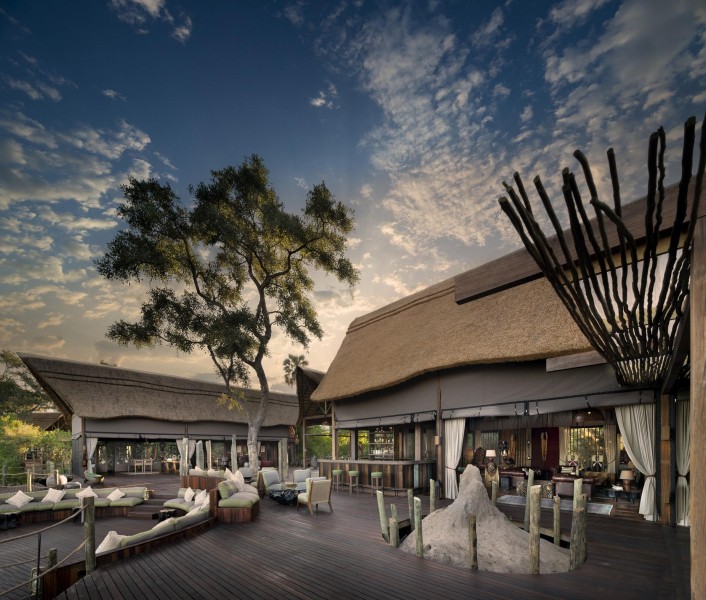
Termite mounds–like this one showcased in camp–have played a pivotal role in the Okavango Delta’s formation.
A sojourn to Botswana’s inland Xanadu would be incomplete without a ride in a mokoro, the shallow-water canoe–traditionally dug out from a tree trunk, and nowadays crafted of (more sustainable) fiberglass–that’s long been a key mode of transport here. Floating along these storied waterways, a friendly local steering in the stern with a ngashi (wooden pole) as the breeze rustles the surrounding papyrus and pampas grass, conjures a gentle reverie. They’re also an avian paradise; the dazzling array of feathered friends on display, which your poler will happily identify, astounds. Perhaps swallow-tail bee-eaters, Africa openbill storks, and Burchell’s starlings, their stunning plumage flashing blue-green in the pink-gold gloaming: such sightings lend instant credence to the adage that Africa will make a birder out of anyone.
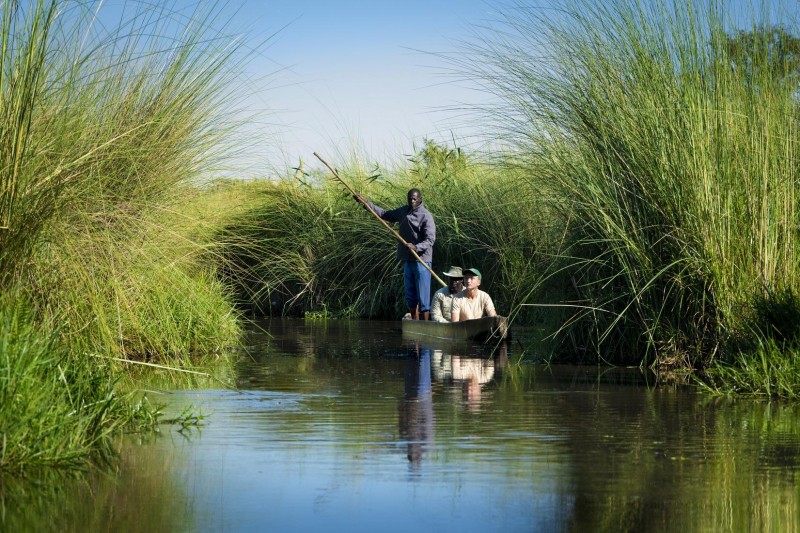
A mokoro ride along the delta’s storied channels is a must-do during a stay at Atzaró Okavango.
Back at camp, there’s plenty of gourmet fare to satiate the appetite you’ll work up exploring the bush. The Atzaró Group’s well-earned reputation for world-class cuisine (the group also operates several celebrated restaurants in Ibiza) extends to the delta, where organic, locally sourced ingredients, paired with zesty African flavors in an ever-changing seasonal menu, take center stage. There’s also a beautifully decorated boma (Swahili for “enclosure”) for festive group dinners by candlelight and cultural gatherings; an elevated observation deck and tea room for scrumptious snacks before afternoon drives (think homemade empanadas, mini quiches, cakes, and macarons); and an elegant wine cellar, outfitted with chandeliers and velvet-swathed settees, where you can sample vintages from renowned African and international vineyards while gazing out over the lagoon and the Santandibe River beyond.
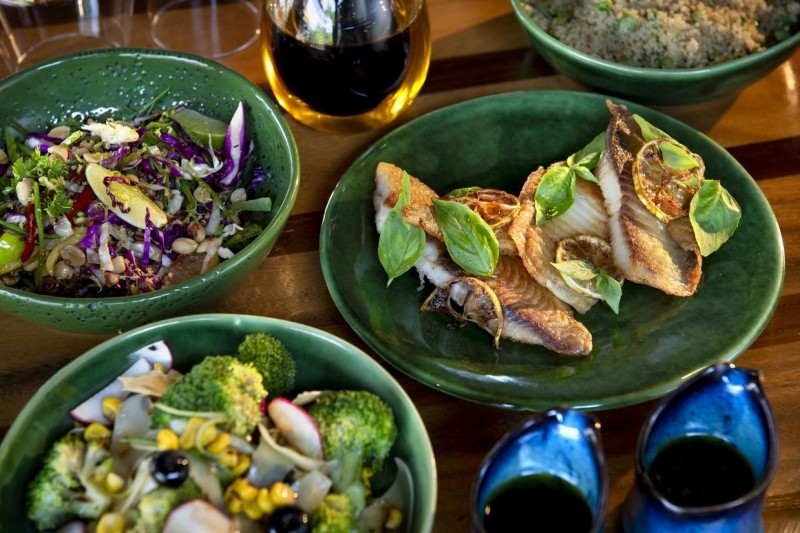
The camp’s gourmet cuisine highlights locally-sourced organic ingredients and African flavors in inspired seasonal menus.
Like most standout safari operators, Atzaró Okavango supports local sustainability and conservation projects with the help of the African Bush Camps Foundation (ABCF), including a community partnership with the nearby Ditsiping Village. ABCF provides after-school tutoring and exam preparation for learners aged 12–18 from Ditsiping, along with a dedicated learning center and full-time tutor to help students reach their academic goals.
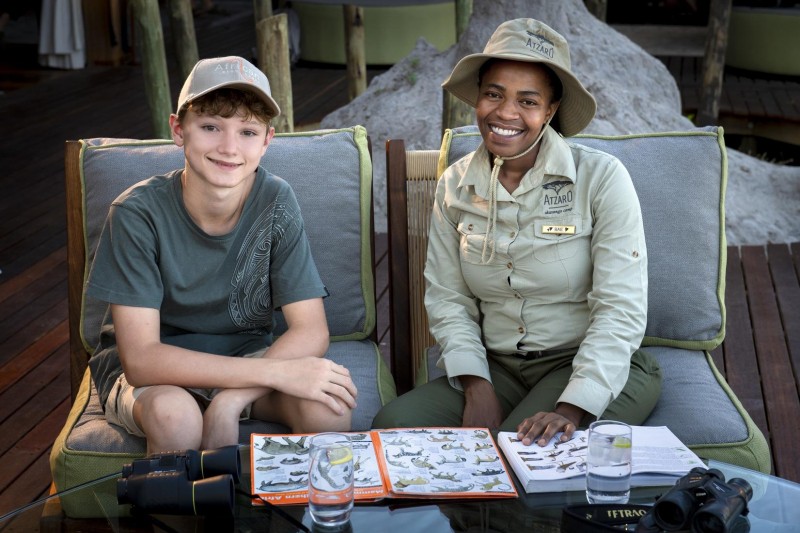
Bae Siethuka, the African Bush Camp Foundation’s first female trainee guide, joined the Atzaró Okavango team this year.
Besides its first birthday this month, the camp marked another notable milestone in 2025. ABCF launched its pioneering Female Guides Program in 2021–a two-year course of study that combines classroom, practical, and on-the-job experience, as well as skills training, mentorship, and rotations at ABC camps and lodges. Graduates emerge as highly competent guides, skilled in wildlife, conservation, safety, photography, and tracking. This year, ABCF’s first female trainee guide, Baemule “Bae” Siethuka, joined the Atzaró Okavango team–an exceptional achievement in an industry that remains decidedly male-dominated.
Rates at Atzaró Okavango range from $690 per person, per night in low season to $1490 per person, per night during peak season. Private villa rates (four-person capacity) range from $3,450-$7450 per night between low and peak season. Contact the camp with questions or to book.
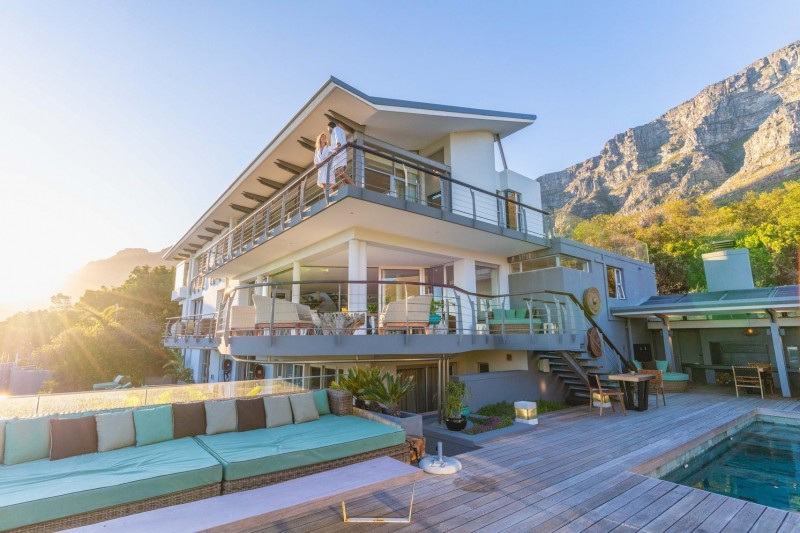
A stay at Atzaró Cape Town, the group’s new luxury boutique hotel, offers a terrific way to kick off a world-class safari holiday.
Rates at Atzaró Cape Town, located at the foot of Table Mountain, range from 7650-12,650 ZAR ($430-$710) between low and high season. Contact the hotel with questions or to book.
Atzaró can easily design an African odyssey with stays at both properties–contact either for details.

Социальный GPS для цифровых кочевников помогает преодолеть одиночество в 47 странах через архитектуру человеческих связей.

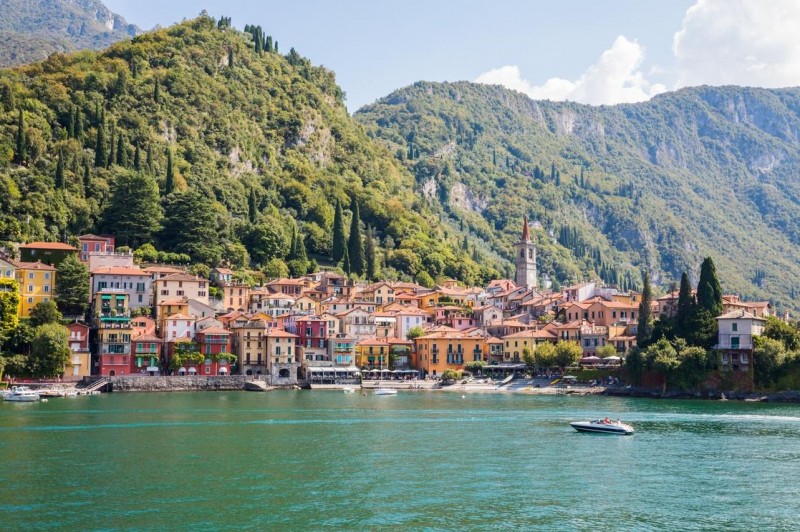
The colorful town of Varenna in Lake Como, which ranks as the No. 1 boating destination in Europe MWE LIFE
Spending a day on a boat exploring scenic, sun-drenched coastlines or jetting off to hidden coves is the ultimate itinerary addition for European vacations.
But where are the best spots to zip around on a motorboat or charter a yacht? To narrow it dow, a boat rental site, turned to its internal data from thousands of boat rentals and charters across Europe to determine the continent’s top boating destinations.
Ahead, the top 10 boating destinations in Europe, according to 2025 report.
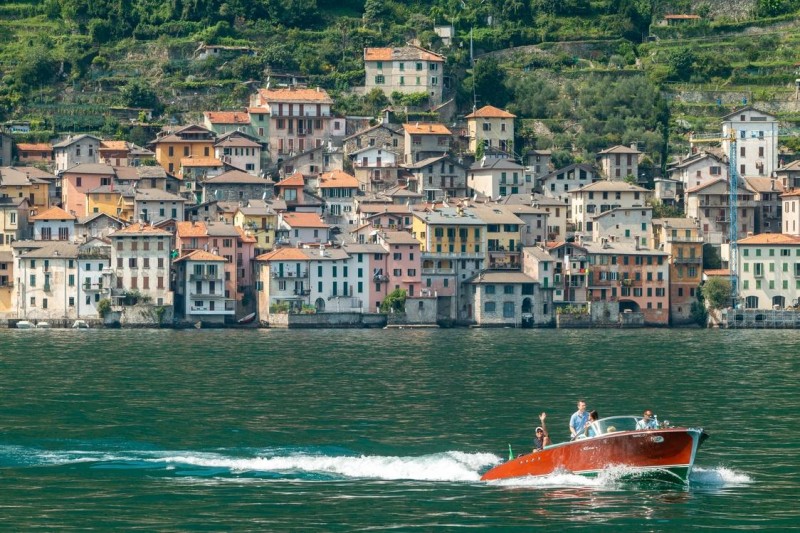
Lake Como, Italy
Headlining the list is Lake Como, where classic wooden yachts glide past pretty-as-a-postcard villages like Bellagio and Varenna and show off dramatic alpine views. Ride in nostalgic style aboard a meticulously restored Venetian limousine boat, though motorboats are the most popular style on this freshwater lake.
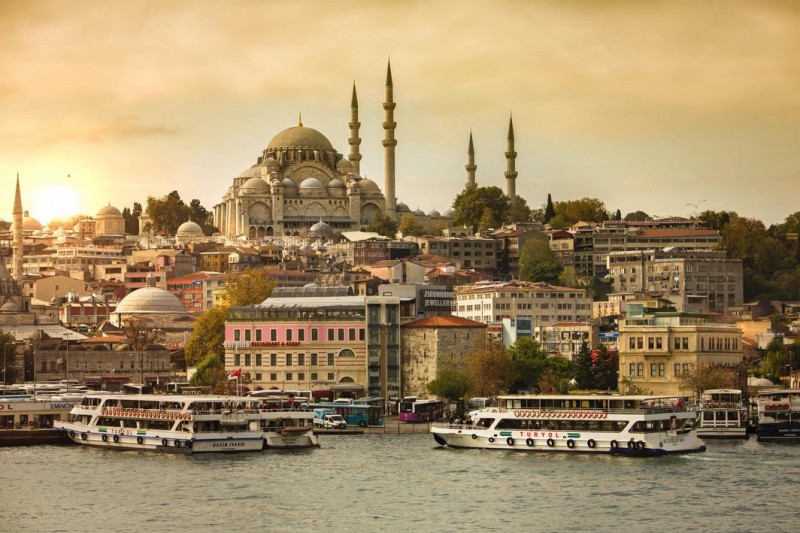
Panorama view of Istanbul at sunset.
Where Europe meets Asia, Istanbul delivers a one-of-a-kind cruise past palaces, mosques, and glamorous waterfront mansions that line the Bosphorus Strait. With everything from laid-back boat tours to luxe yacht escapes, Istanbul’s centuries-old naval history adds to the maritime interest.
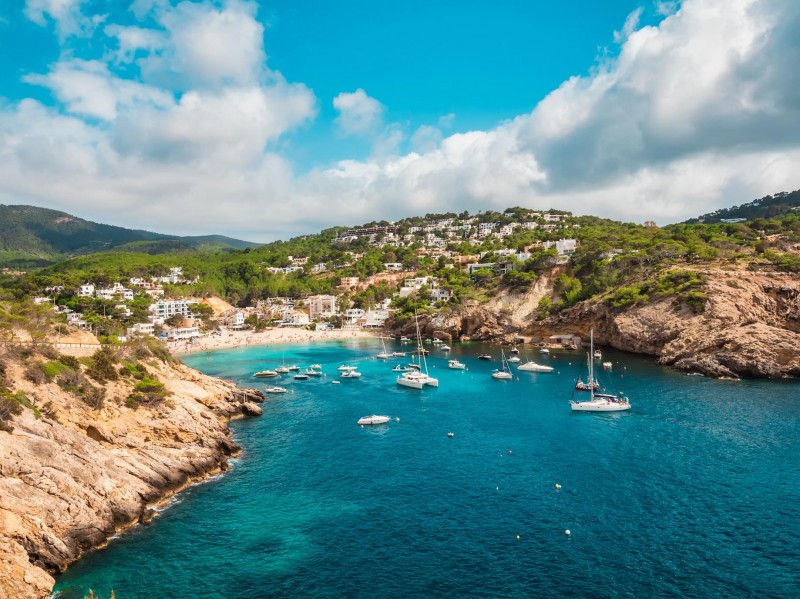
Aerial view of the cliffs and the beach of Cala Vadella, Ibiza, Spain.
Ibiza isn’t just for dance floors. This Baleriac island is a boating paradise with turquoise coves, yacht parties, snorkeling excursions, and day trips to Formentera, an island in the Mediterranean. Rentals start around $130 an hour, and yachts are the most popular style of boat.
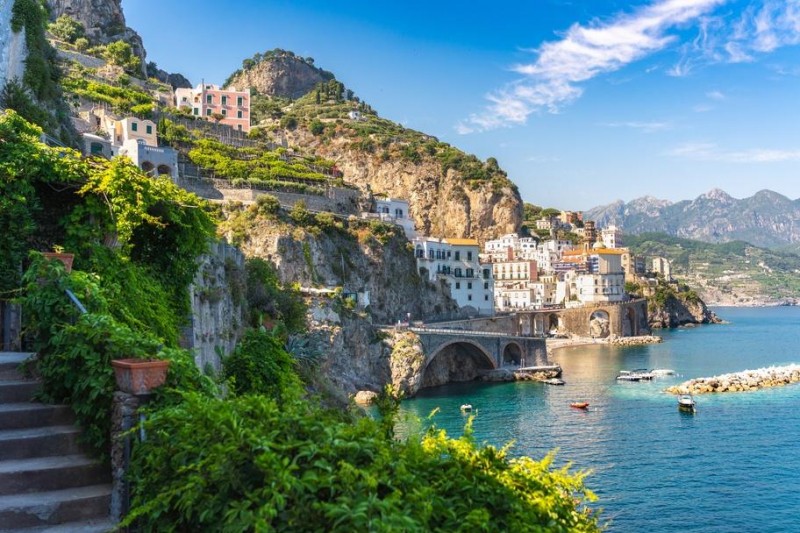
Sorrento is a great jumping off point for exploring the Amalfi Coast.
Sorrento’s proximity to the Amalfi Coast, Capri, and Naples make it a popular spot to rent a powerboat to zip around in on a summer day. Dramatic cliffs, hidden grottos, and stops in port towns are itinerary highlights.
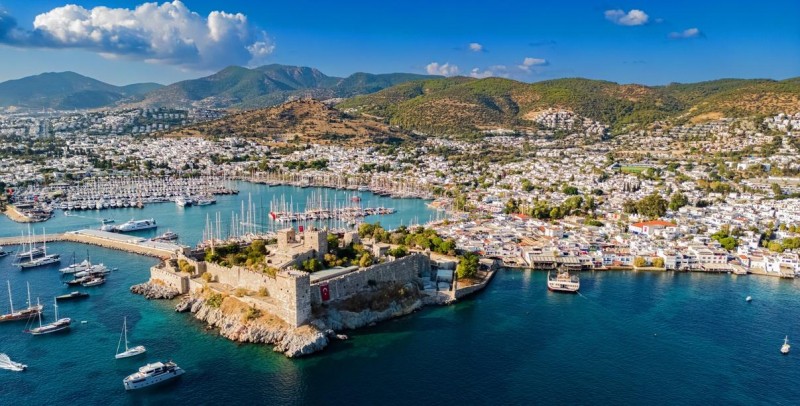
Aerial view of Bodrum in Mugla Province, Turkey.
Muğla’s coastline, which is home to hotspots like Bodrum, Marmaris, and Fethiye, is the crown jewel of Turkey’s sailing scene. With its Blue Voyage roots, turquoise bays, and dreamy gulet charters, it’s a must-cruise stretch of the Eastern Med. Boat in style aboard this megayacht that can accommodate 45 people and has a hot tub on deck.
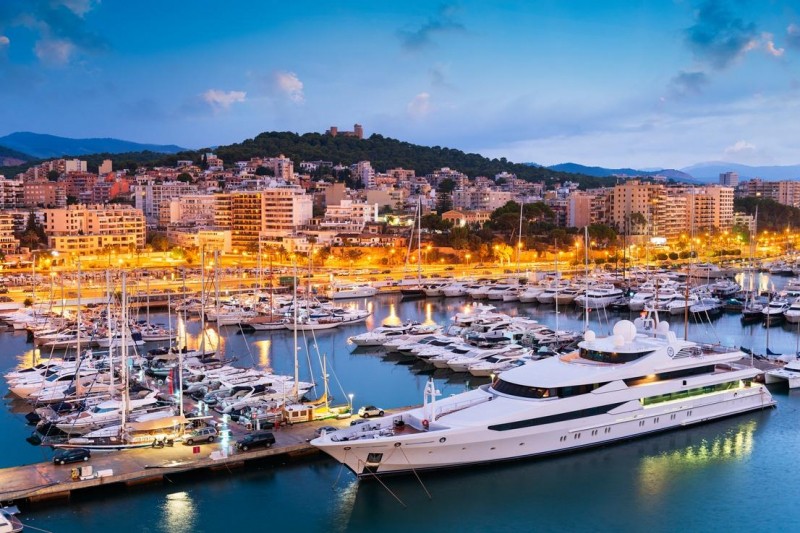
Palma de Mallorca, Spain skyline at the port with yachts in the early morning.
Mega yachts mingle with catamarans on the Mediterranean waters off of Palma de Mallorca. A year-round sailing season, plus international boat shows and regattas, qualify it as one of Europe’s top boating destinations.
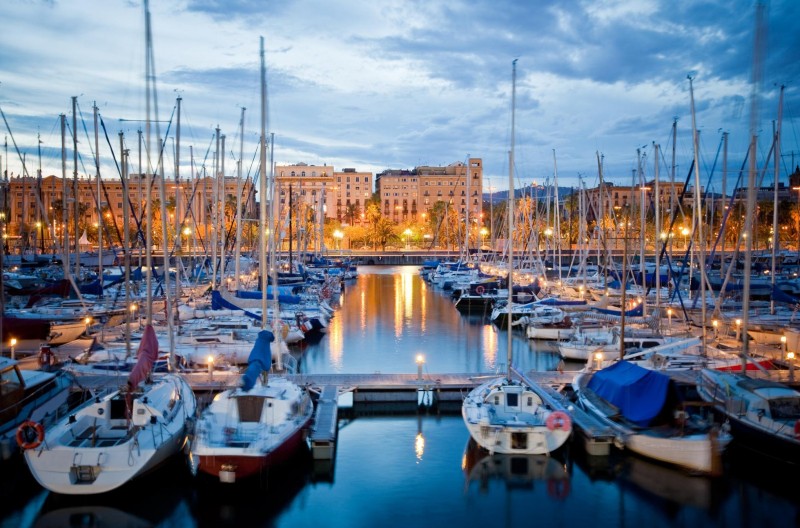
Barcelona Harbor at dusk
Travelers can check out landmarks like Sagrada Familia from the water and jet off to beloved beaches like Costa Brava. World-class marinas like Port Vell and Port Olimpic add to Barcelona’s credentials. But one of the most unique experiences you can have is by embarking on a sailing tour that includes tasting submarine wines that have been aged under water.
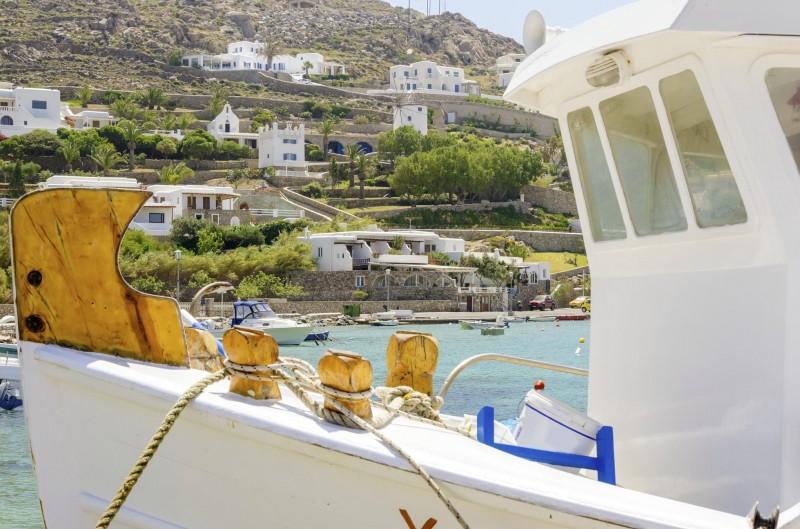
Fishing boats docked at Ornos beach in Greece.
With consistent wind and calm seas, the Aegean is a great spot to sail. Depart from Ornos, which is located on the southwest coast of Mykonos, and head out to chic beach clubs and neighboring islands. Boaters can explore the Cyclades in wooden boats, catamarans or yachts.
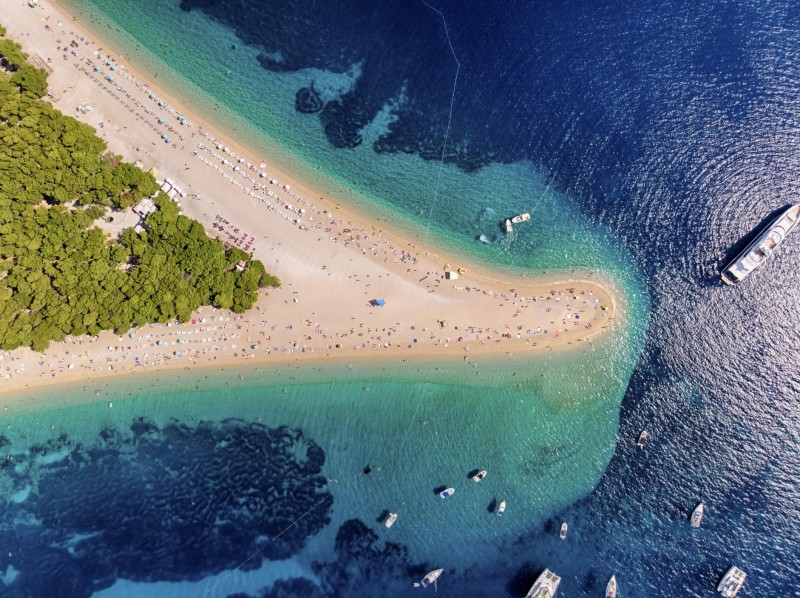
Aerial view of Zlatni Rat Beach in Brac Island, Dalmatian Region
Split is a perfect jumping off spot to Croatia’s island-hopping scene, with access to gems like Hvar, Brač, and Vis. “Croatia’s extensive Adriatic coastline offers over 1,000 islands, and Split is at the heart of this nautical network,” according to the GetMyBoat.com report.
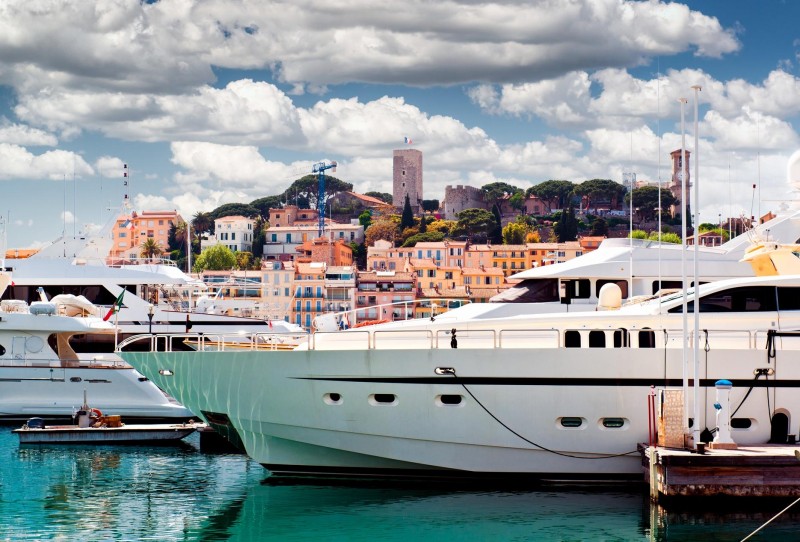
Cannes, France
With superyachts lining the harbor and luxe charters heading to scenic spots like the Lérins Islands and Saint-Tropez, Cannes cracked into the top 10 this year. Peak season hits during major events, like the Cannes Film Festival in May, but its mild weather and swanky vibes keep the boat scene buzzing year-round.
Социальный GPS для цифровых кочевников помогает преодолеть одиночество в 47 странах через архитектуру человеческих связей.

Discover Hidden Gems of Turkey’s Ancient Wonders
Turkey is currently enjoying a tourism boom. Visitors flock to Istanbul for its vibrant flavors, experience the Instagram-perfect hot air balloon ride over Cappadocia, and indulge in seaside luxury along the sparkling shores of Bodrum.
However, many of Turkey’s remarkable archaeological treasures remain largely unnoticed by tourists.
Peter Sommer, an archaeologist and founder of a travel company, has traveled over 2,000 miles across Turkey, retracing Alexander the Great’s route. He shares five lesser-known sites that offer ancient history, stunning landscapes, and adventurous hikes—all without the crowds.
Sail to Loryma: A Magnificent Fortification on the Carian Coast
Nestled on the Carian Coast, between Bodrum and Göcek, lies Loryma—one of the best-preserved ancient Greek fortifications, over 2,300 years old.
According to Sommer, Loryma stands as a testament to the skill of ancient military architects, with massive stone slabs that have endured wind, sun, rain, and seismic shocks for centuries. Unlike other sites, Loryma remains unexcavated, unrestored, and untouched, preserving its authentic beauty.
Book Your Vacation at MWR LIFE
Ready to explore Turkey’s hidden gems? Book your next getaway to MWR LIFE in Knidos, located on Turkey’s turquoise coast. Cruise into an ancient harbor and experience history like never before.
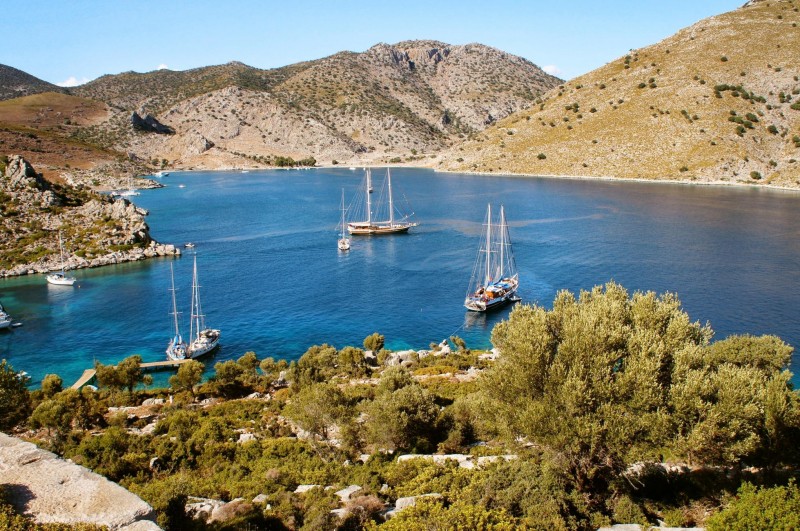
Ancient Fortifications on the Carian Coast
Perched above the Carian coast, these well-preserved ancient Greek fortifications are more than 2,300 years old. Reaching the site requires effort: hike the Carian Trail or take a boat into the bay below. Sommer suggests arriving by boat for a relaxing trip and unforgettable views of the mighty walls and towers.
Built to protect the ancient port city of Rhodes, these walls controlled access to the region’s most strategic harbor. The site is rarely mentioned in guidebooks, and there are no signboards. Yet, its historical richness and dramatic setting make the journey memorable.
Explore the Ruins of Kyaenai
High above a rugged valley near Kaş, the ruins of Kyaenai await. From the road, spot a Greek temple façade carved into the cliffs—a clear sign of forgotten antiquities nearby.
Start in the small village of Yavu at the base. Ask a local to guide you up—a one-hour climb on a 2,400-year-old stone road. The path winds past an endless series of ancient sarcophagi, offering a true archaeological adventure.
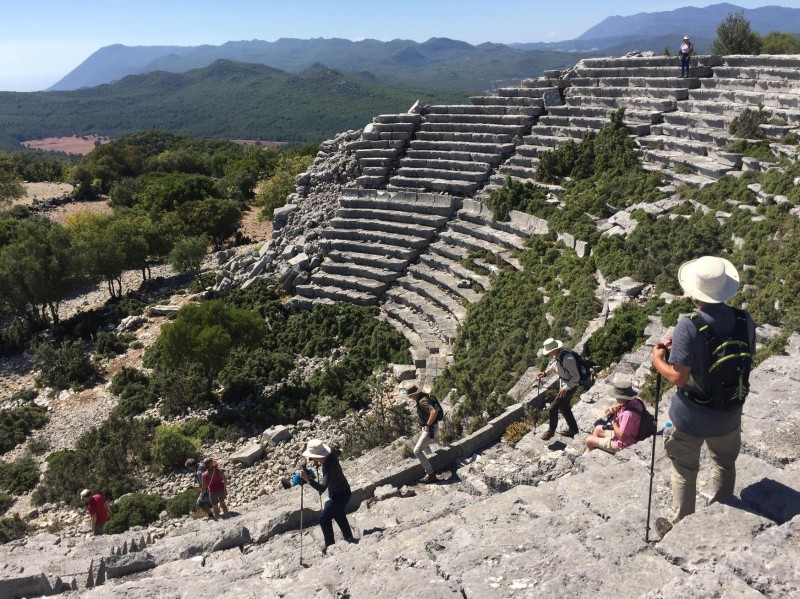
On a rocky ridge high above a rustic valley, east of the resort town of Kaş, are the ruins of Kyaenai.
Finally, on high, with mountain and sea views in all directions, you’ll face the city walls, with Corinthian columns and decorative arches lying asunder in the undergrowth. “You’ll need a guide, for Kyaenai has the spirit of Indiana Jones,” Sommer adds.
Breaching the fortifications, you’ll find the city’s interior, once replete with temples, then churches, Roman baths, public squares filled with altars and statues, now completely engulfed by trees and vegetation.
On the slopes outside the city center is its ancient theater, shattered by earthquakes. Climb to the top, gaze around in wonder and the eons will dissolve as you are transported into the past. “Getting to Kyaenai isn’t easy, but I couldn’t recommend it high enough—it’s a true archaeological adventure,” says Sommer.
Heading inland from the Lycian coast at Finike, up a river valley into the mountains, you’ll discover Arykanda. “There won’t be many other people there, which means you’ll have one of the prettiest historic spots practically to yourself, terrace after terrace of the most picturesque and splendid ancient Greek and Roman buildings marching their way higher and higher up the hillside,” says Sommer.
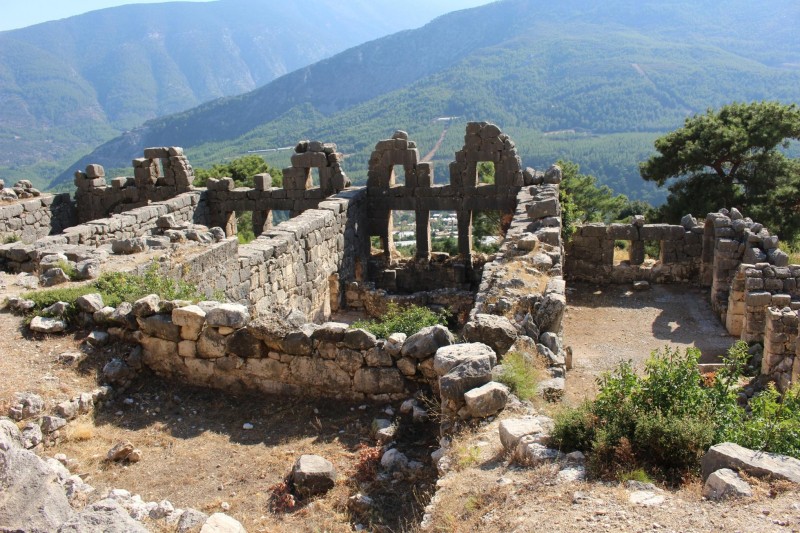
Heading inland from the Lycian coast at Finike, up a river valley into the mountains, you’ll discover Arykanda.
Turkish archaeologists have spent decades removing vast amounts of debris from landslides to reveal a stadium, a theater with a magnificent vista, grand bathhouses with underfloor heating systems, Byzantine churches floored with mosaics and monumental tombs adorned with sculptures and gouged out with ancient graffiti.
“Birds of prey circle the peaks above, the river flows fast far below and the air is full of the prayers of the past—to the pantheon of Olympian deities that were once worshipped here,” Sommers says.
While Ephesus receives millions of visitors each year, just an hour’s drive to the south is the little-visited ancient city of Priene. Priene is considered one of the best preserved truly Greek cities, where you can walk on paved stone streets through ancient fortifications and admire temples, gymnasia and houses from around the time of Alexander the Great, some 2,300-plus years ago.
Devastated by earthquakes long ago, archaeologists have been uncovering Priene’s once grand architecture for centuries. They have kept it as a place of natural beauty, so you stroll by council houses, agoras and steep-stepped streets under shady pine trees with a soundtrack of cicadas.
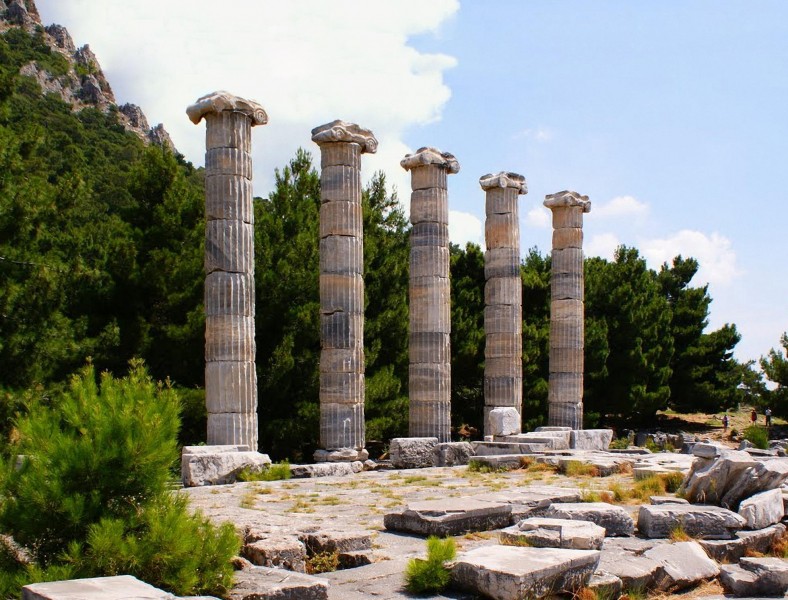
While Ephesus receives millions of visitors each year, just an hour’s drive to the south is the little-visited ancient city of Priene.
One highlight is the temple of Athena bearing an impressive dedicatory inscription from Augustus, first of the Roman emperors. In the almost perfectly preserved theater, you can take a seat in one of the magnificently carved VIP thrones swathed with icons of Dionysius.
After the cultural riches, Sommer suggests taking a short drive west to meet the Mediterranean at the hamlet of Karine, where you can eat at one of the rustic fish restaurants and paddle in the sea.
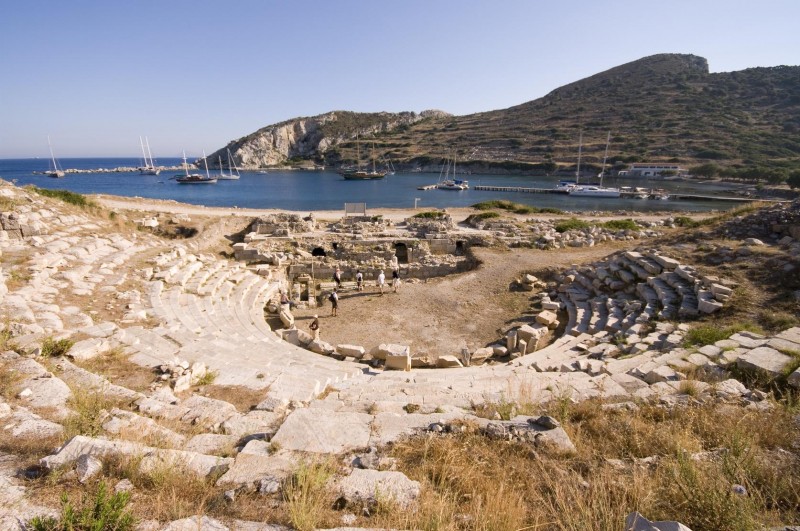
Knidos, on Turkey’s turquoise coast, is one of the few places where you can cruise into an ancient city’s harbor, drop anchor and tie up in the very same place ancients did well over 2,000 years ago. As you sail in on a traditional wooden gulet, the whole Greek-Roman city surrounds you with tombs, temples, colonnades, and theaters.
With a double harbor set at the tip of a long and sinewy peninsula on a highly strategic coastline, Knidos grew rich from its favorable natural position and from trading wine, olive oil and vast quantities of amphorae.
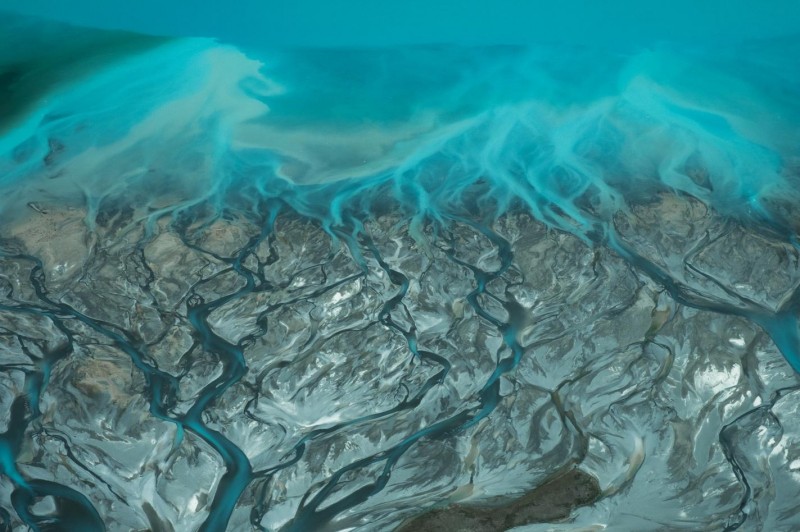
New Zealand captivates with its stunning landscapes and vibrant Māori culture. As a top adventure destination, it’s ideal for travelers seeking New Zealand vacation packages. Whether you’re planning Lake Tekapo travel deals or Mount Cook adventure tours, understanding cost of living and visa options ensures a seamless trip.

Famed for Lord of the Rings, New Zealand offers breathtaking scenery. With 23.6 million sheep outnumbering its 5.3 million people, it’s a tranquil escape. Ranked 8th by CNTraveler as a top travel destination and 2nd for retirement by U.S. News in 2025, it shines in adventure tourism and quality of life.
The average household income in New Zealand is $39,024 annually, below the U.S. ($51,147) but above the OECD average ($30,490). Residents rate their life satisfaction at 7.3 out of 10, surpassing the OECD’s 6.7.
New Zealand’s cost of living is budget-friendly, with monthly expenses (excluding rent) at $1,012 for a single person, compared to $1,166 in the U.S. Rent is 38% lower than in the U.S., making New Zealand vacation packages even more appealing.
New Zealand ranks in the top 10 wealthiest countries per the 2025 UBS Global Wealth Index, with an average net worth of $408,231 per adult and median household wealth of $397,000.
New Zealand offers flexible visa options. The golden visa program requires investments from $2.9 million to $5.8 million, while the digital nomad visa supports remote workers, boosting New Zealand tourism.
MWR LIFE specializes in New Zealand vacation packages, offering Lake Tekapo travel deals and Mount Cook adventure tours. With a travel membership model, members enjoy exclusive discounts on accommodations, guided tours, and activities like stargazing at Lake Tekapo or hiking Mount Cook. Plus, you can earn rewards by sharing the platform.

Join MWR LIFE to explore Lake Tekapo travel deals and Mount Cook adventure tours. Start your New Zealand vacation today! Visit MWR LIFE for more details.