AI Travel Franchise 2025: Become an MWR Life Ambassador
Unlock MWR Life Ambassador Status — Travel Free, Earn Anywhere in 2025
I saved $257/night at The Westin Maui and $786 at Palazzo Montebello using Travel Advantage™ unpublished rates. As an AI-powered Ambassador, I now earn passive income while exploring Bali, Tbilisi, and the Maldives — and you can too.
Luxury stays & flights
Saved by Ambassadors in 2024
Operate your franchise remotely
Join 10,000+ digital entrepreneurs building profitable AI travel businesses. No office. No inventory. Just freedom.
Become an Ambassador TodayFree Tier available • AI tools included • Upcoming Life Experiences®: Maldives (Mar 2026), Egypt Nile Cruise (May 2026), Dallas Networking (Feb 2026)
Why Scandinavia Is Built for Slow Travel
Norway's small fjord villages are delightful places to spend multiple nights, especially when the cruise ships have gone.
Sweden has taken an unusual approach to winter tourism this year. Instead of promoting new attractions or packed itineraries, the country is encouraging visitors to come and, quite literally, get bored.
The tourism campaign is built around silence, empty schedules and the idea that boredom can help the brain reset after a year of constant noise.
It is a bold message for a travel industry that often celebrates activity and constant movement. Yet it taps into a real shift in what many travelers now want from their time away.
Sweden’s approach grabs attention, but the concept behind it stretches beyond one country. The entire region of Scandinavia has become one of the world’s most natural homes for slow travel.
Spacious landscapes, reliable public transport, easy access to nature and a deep cultural respect for silence combine to create a travel environment that invites visitors to slow down without trying.
Scandinavia’s Appeal Starts with Geography
Sweden, Norway and Denmark have a combined population smaller than many major European countries, yet they occupy vast land masses. Forests outnumber cities. Lakes outnumber hotels.
There is also a cultural element. Time outdoors is regarded as part of everyday life rather than a luxury. Norwegians talk about friluftsliv, the tradition of living simply and spending time in nature.
Silence is not considered awkward. Space is not something you need to ask for. All of this makes slow travel feel less like a trend and more like a natural part of daily life.
Staying Put Instead of Racing Through
One of the simplest ways to embrace slow travel is to stay longer in a single place. Scandinavia rewards this approach, especially in rural regions where the atmosphere changes dramatically throughout the day.
Take Flåm, the small fjordside village in western Norway. During the busiest summer days it fills with cruise passengers arriving to take the famous Flåm Railway or on day excursions from Bergen and the Sognefjord. Yet as soon as the ships depart in the late afternoon, the village settles into a peaceful stillness.
Spend a few days there and you begin to notice details you would never experience in a quick stop: how the weather shifts through the valley, how the fjord sounds at night and how conversations change when you are not rushing to catch a bus.
The same is true in countless fjord villages. Places like Aurland, Balestrand, Ulvik and Eidfjord reward those who stay for more than one night. By evening you feel not like a visitor passing through but a temporary resident with a sense of belonging.
Slow Travel Along the Coast
Norway offers a second path into slow travel through its coastal express route, operated by Hurtigruten and Havila. These daily voyages between Bergen and Kirkenes were originally designed to connect remote communities.
They still function this way today, which makes them very different from large cruise ships. The ships sail at a calm, steady pace, stopping in dozens of small ports along the coastline. Some stops last only minutes as cargo is loaded or mail comes aboard. Others stretch long enough for short walks in coastal towns that rarely make it into mainstream itineraries.
The journey becomes a moving window into Norwegian life: morning deliveries in fishing villages, students boarding the ship for a short hop to the next town, and long stretches where the only landmarks are mountains and sea.
A Mindset Shift
Slow travel is not about avoiding activity. It is about changing the intention behind it. In Scandinavia, the point is not to disconnect entirely or do nothing for a week. It is to find space to breathe.
That might mean choosing a quiet cabin in Sweden, lingering in a small fjord village in Norway or cycling the length of a Danish island with no fixed schedule.
What Sweden is really promoting through its new campaign is a mindset. Travelers do not have to achieve anything. They do not need to check off a list of sights. The absence of urgency and the importance of presence become part of the experience.
That ethos echoes throughout the region. Scandinavia does not need dramatic marketing slogans to encourage slow travel. The culture, the landscape and the rhythms of daily life already support it.
Top 5 AI Travel Business Trends in 2025 for Digital Entrepreneurs
Agentic AI & Automation
AI booking agents, chatbots for customer service, and automated marketing funnels drive +40% income growth with zero manual outreach.
Hyper-Personalization
Authorial and AI-curated tours for resort investors and digital nomads are projected to grow by 45% in 2025.
Bleisure & Workation
Hybrid stays in aparthotels with co-working spaces enable extended bookings with up to 80% savings.
Sustainable & Eco-Tourism
Green travel, carbon offsetting, and eco-lodges are driving +35% year-over-year demand in the premium segment.
Secondary Destinations in Asia
Adventure travel, night tourism, and affordable infrastructure in emerging Asian markets create high-growth opportunities for new franchisees.
Book the Silolona Yacht: Luxury Expedition in Cenderawasih Bay 2026
Underwater Galapagos of Indonesia – Now Bookable by Cabin
For the first time, Silolona Sojourns opens individual cabin bookings aboard the legendary Silolona and Si Datu Bua — traditional Indonesian phinisi yachts reimagined as floating luxury sanctuaries.
Embark on a 14-day voyage to Cenderawasih Bay and Raja Ampat to swim with gentle whale sharks in crystal-clear waters, dive among 1,200+ fish species and 540+ coral types, meet nomadic forest tribes, explore WWII-era sunken aircraft wrecks, and sail past the volcanic archipelago of Wayag — known as “Indonesia’s Jurassic Park”.
Also available: a 7-day Cenderawasih-only expedition. The best travel window is October through April.
 Reserve Your Cabin
2025–2026 Life Experiences®: Ambassador-Only Group Trips
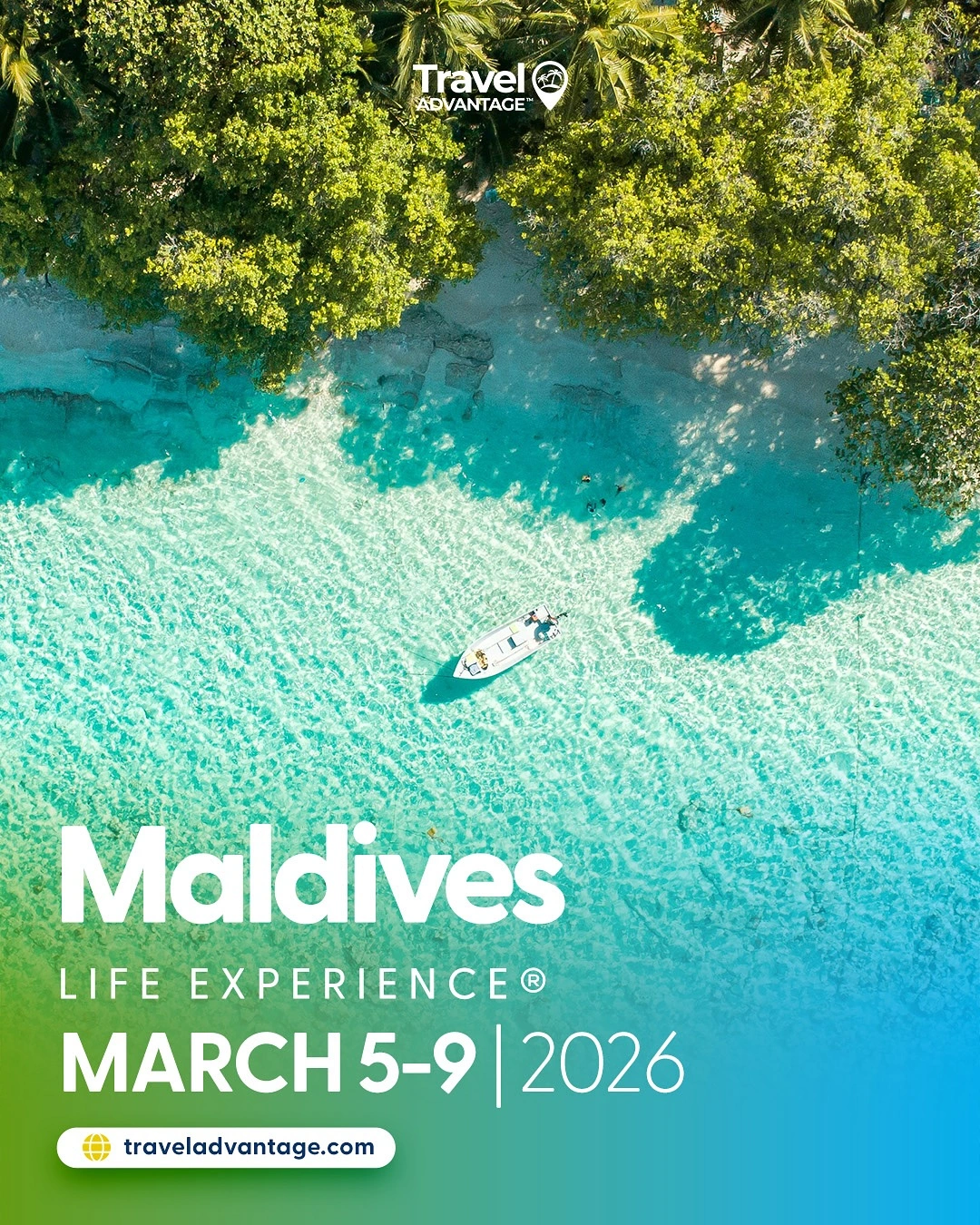
Sun Siyam Olhuveli, Maldives
Mar 5–9, 2026
All-inclusive overwater villa, speedboat transfers, and eco-taxes included.
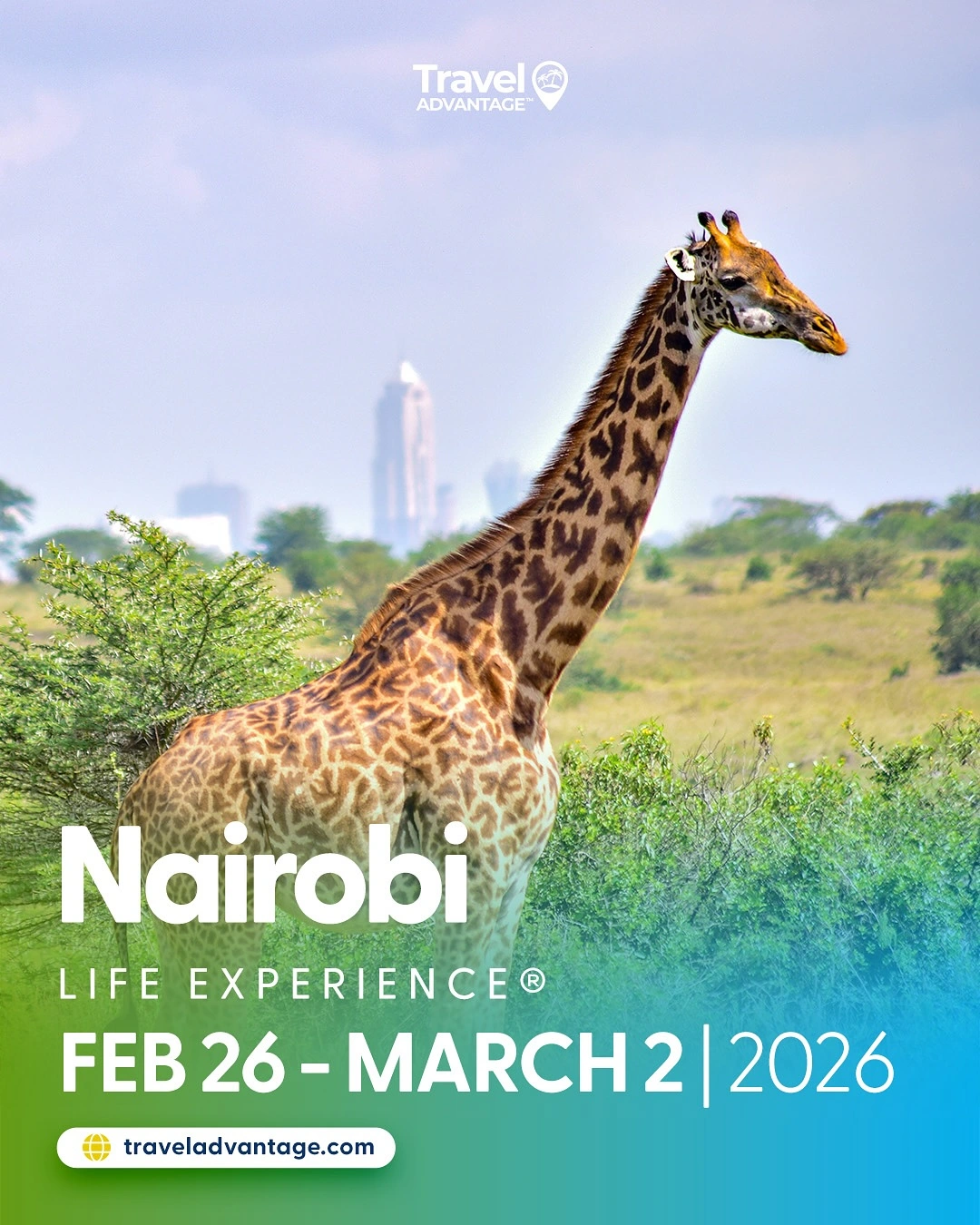
Nairobi, Kenya
Feb 26 – Mar 2, 2026
Group eco-safari with city tax and service fee included at Best Western Premier Westlands.
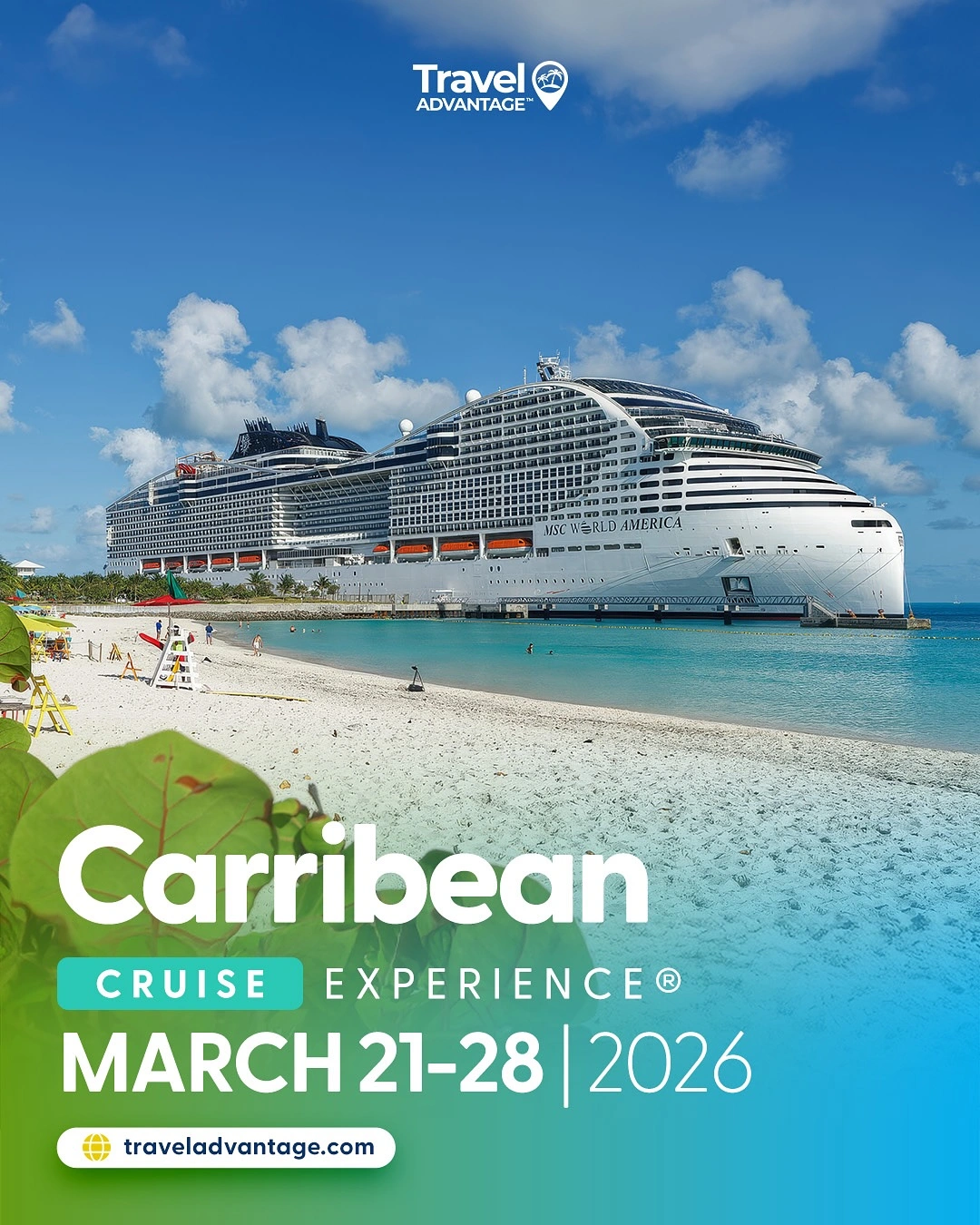
MSC Fantasia Caribbean Cruise
Mar 21–28, 2026
8-day educational cruise with AI franchise training, full board, and all port taxes included.
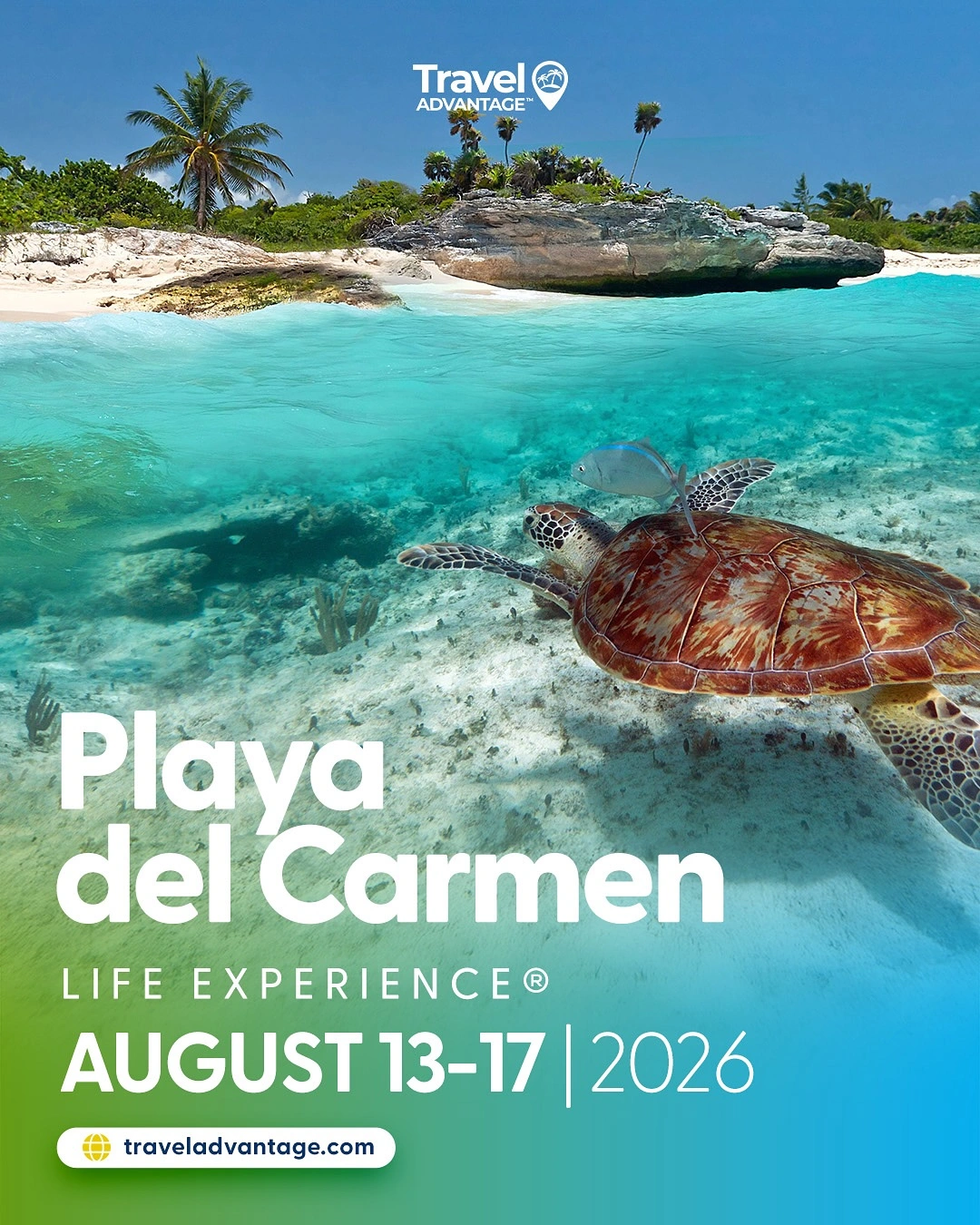
Playa del Carmen, Mexico
Aug 13–17, 2026
All-inclusive resort stay with catamaran sunset cruise, snorkeling at El Meco reef, and Isla Mujeres excursion.
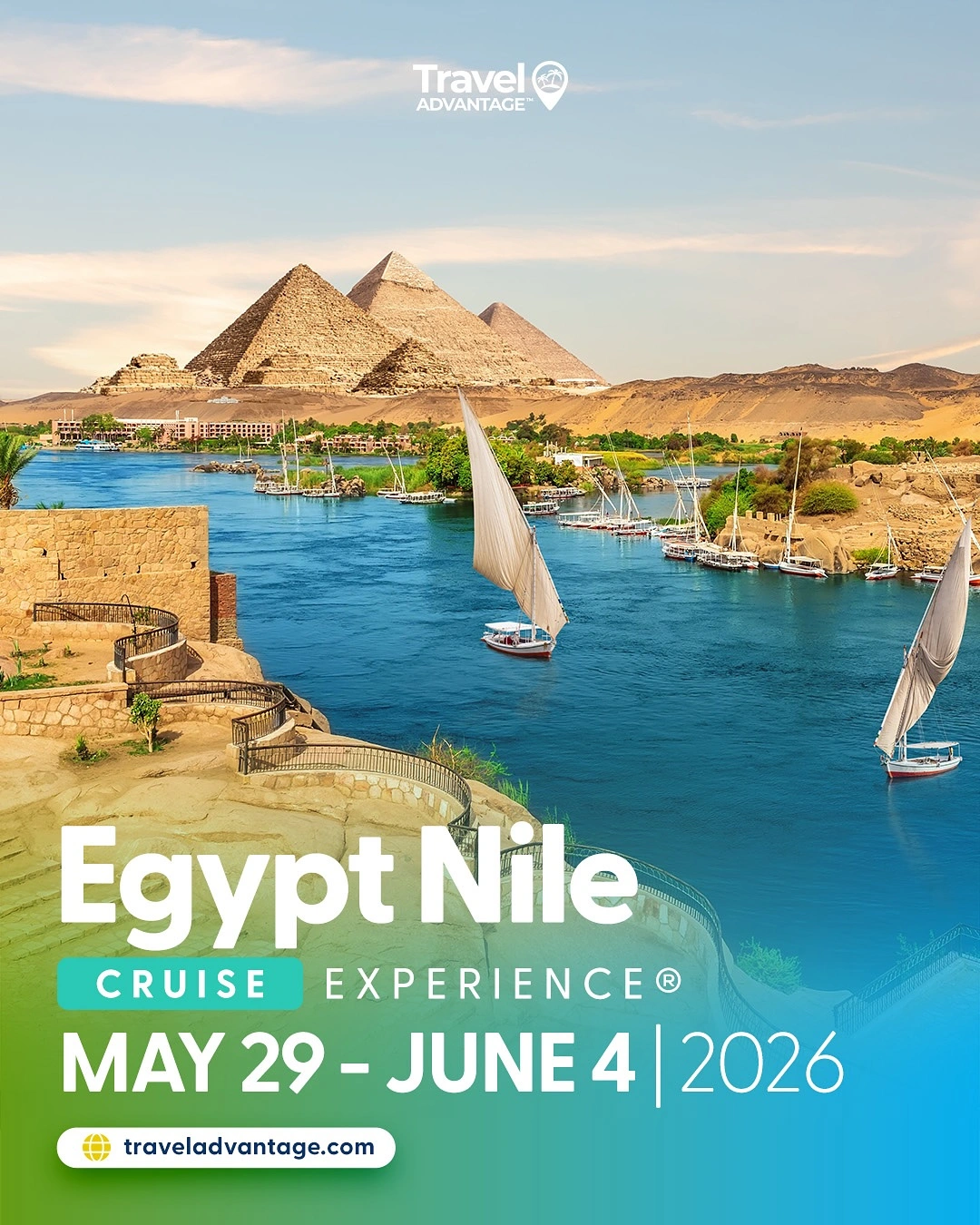
Nile River Cruise, Egypt
May 29 – Jun 4, 2026
All-inclusive historic cruise featuring guided tours to the Valley of the Kings, Kom Ombo, Edfu, and Hatshepsut Temple.
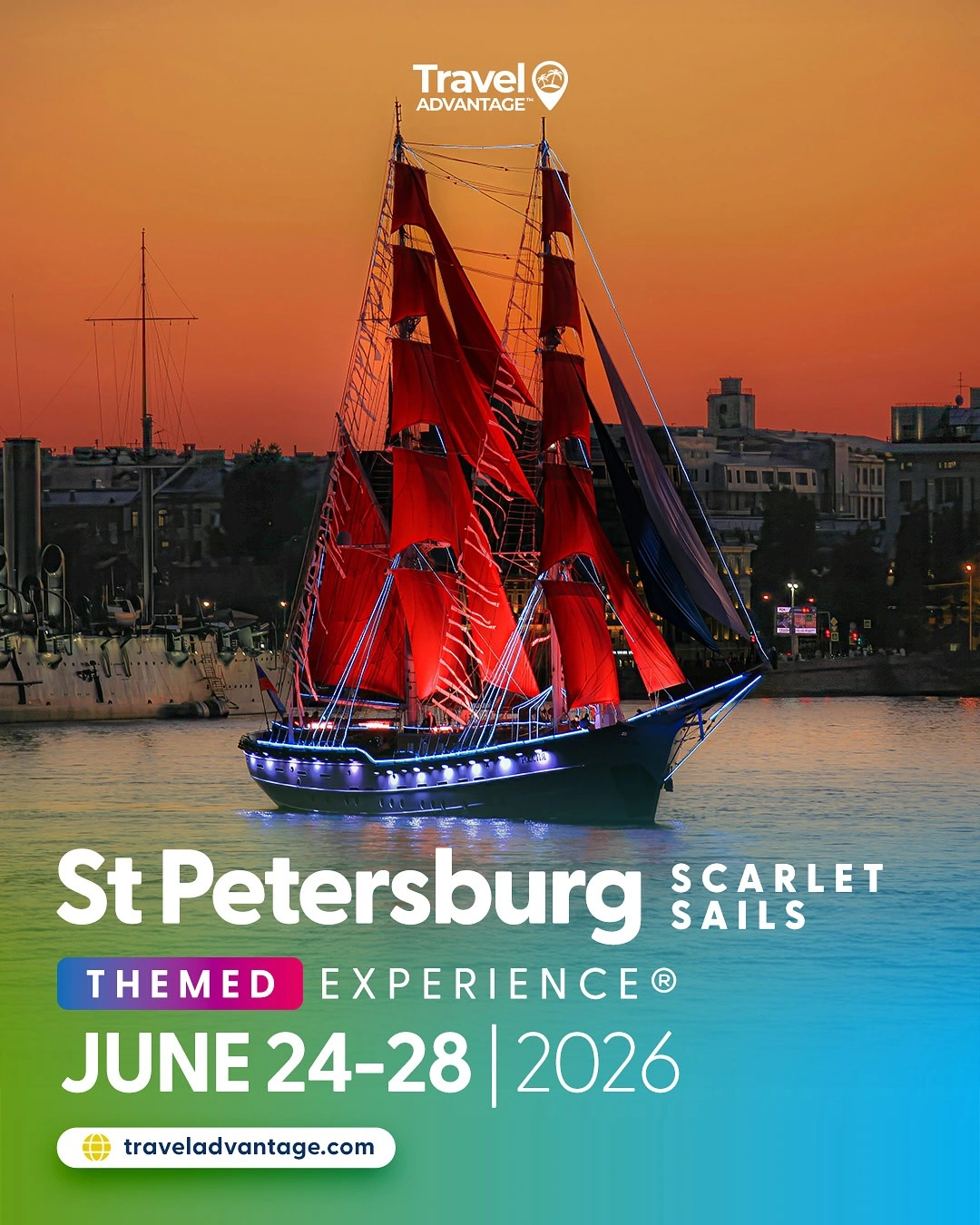
Saint Petersburg, Russia
Jun 24–28, 2026
Cultural immersion during the Scarlet Sails festival with city tour, business sessions, and airport transfers included.

Dallas, USA
Feb 19–23, 2026
Global networking summit with product launches, awards ceremony, and all resort fees and taxes included.
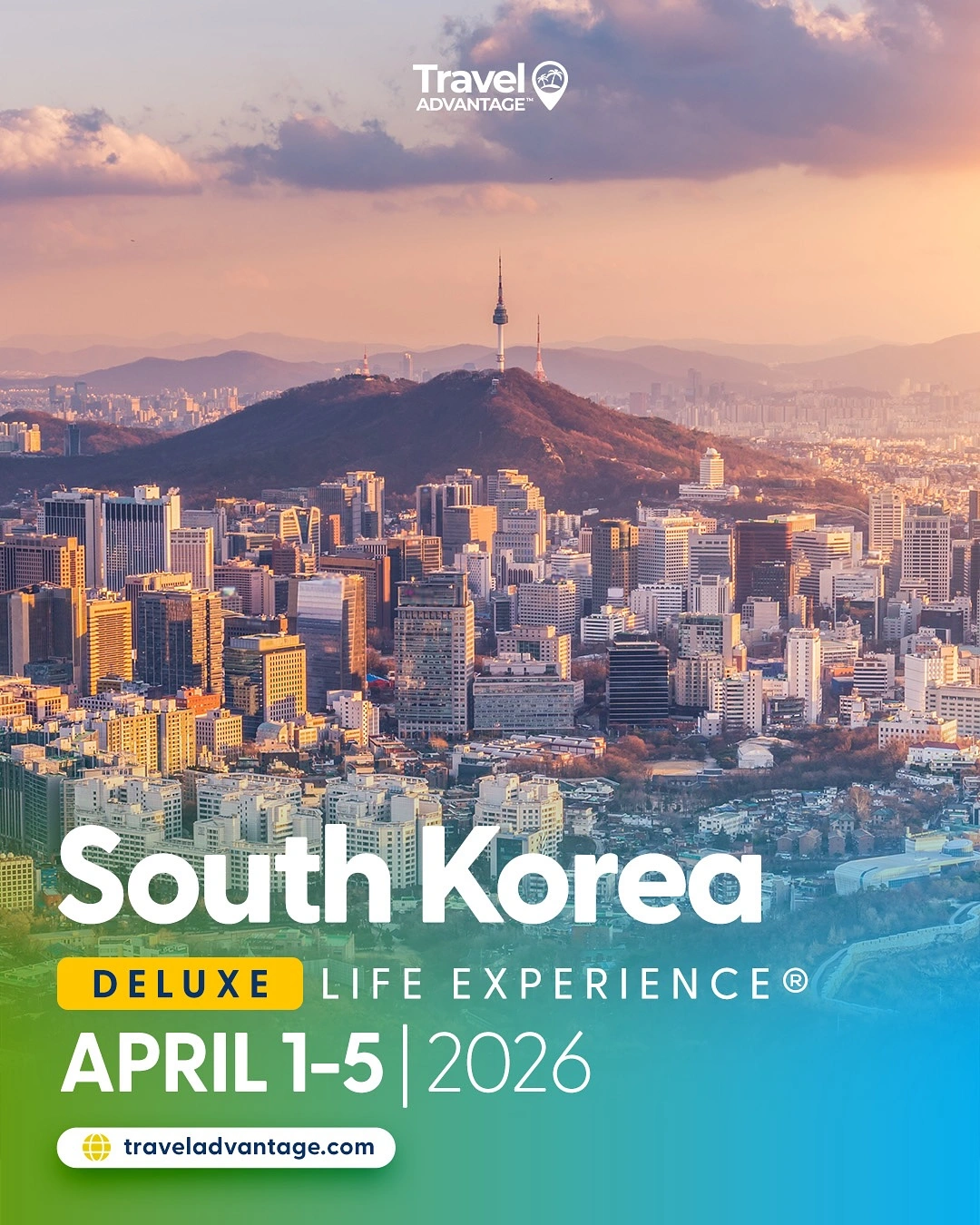
Seoul, South Korea
Apr 1–5, 2026
K-culture immersion featuring Hanji craft workshop, Tongin Market experience, private transfers, and networking at Namsan Tower.
Travel Advantage™ Platform: AI Tools for Travel Franchise Success
Leverage AI for smart tour creation, demand forecasting, and maximizing profits in the modern travel economy.
Hotels
AI Dynamic Pricing
Flights
Predictive Booking Algorithms
Resorts
Localization & Upselling
Transport
Route & Cost Optimization
Cars
Personalized Rental Options
Cruises
Bleisure & Educational Packages
Excursions
Sustainable Tourism Planning
Activities
Hybrid Tour Bundling
Real Savings. Real Ambassadors.
Total collective savings by Ambassadors in 2024: $2.8 million
Melanie, Canada
$204.25 saved on Kauai Beach Villas
Monica, Switzerland
$179.44 saved on Best Western Bellevue
Tatevik, Armenia
$786 saved on Palazzo Montebello
Kay, UK
$257.38 saved on El Minzah Hotel
Frequently Asked Questions
How to become an MWR Life Ambassador?
Register via our link, complete free AI training, share your referral link, and start earning commissions.
What are the Travel Advantage booking hacks?
It’s not a hack — it’s membership. Access unpublished rates: Westin Maui from $657 → $400/night.
Can I earn while traveling through Asia or Europe?
Yes. 82% of Ambassadors operate remotely from secondary destinations in Asia, CIS, and Southern Europe.
What are Life Experiences®?
Curated group trips with full savings, networking, and AI training — exclusive to Ambassadors.
Ready to Transform Your Life?
Don’t miss out. Become an Ambassador and start saving, earning, and living on your terms.
Get Started NowOr explore more at MWR Life Experiences.