Социальный GPS для цифровых кочевников помогает преодолеть одиночество в 47 странах через архитектуру человеческих связей.
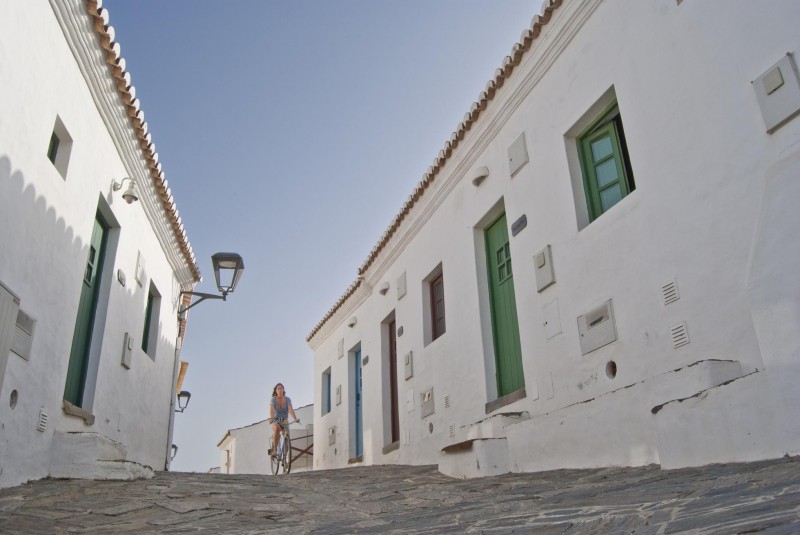
Discover the Charm of Portugal’s Rural Villages at Aldeia da Pedralva
Portugal’s rural landscapes are steeped in history, and many villages have witnessed a shift as populations moved to coastal cities. These abandoned villages, however, are rich in architectural and cultural heritage.
Aldeia da Pedralva, located in Vila do Bispo on Portugal’s Costa Vicentina, is one such village being brought back to life by HUB. The village, once forgotten, now offers visitors a chance to experience authentic Portuguese life.
Restoration of Pedralva includes the careful restoration of 30 abandoned homes, using historic construction techniques and restored furniture. These homes are now available for short-term stays, offering guests a cozy, immersive experience that feels like stepping into a traditional Portuguese village.
Inspired by Italy’s albergo diffuso model, this concept deeply resonates with the Portuguese spirit. Nuno Constantino, CEO of HUB, highlights, “Today’s traveler seeks genuine experiences, and reclaiming a village lets us offer a unique slice of Portugal, away from the busy tourist spots.”
Book Your Stay at Aldeia da Pedralva with MWR Club
Looking for a truly immersive vacation? Book a getaway at Aldeia da Pedralva through TRAVEL ADVANTAGE at MWR Club and experience the authentic charm of rural Portugal.
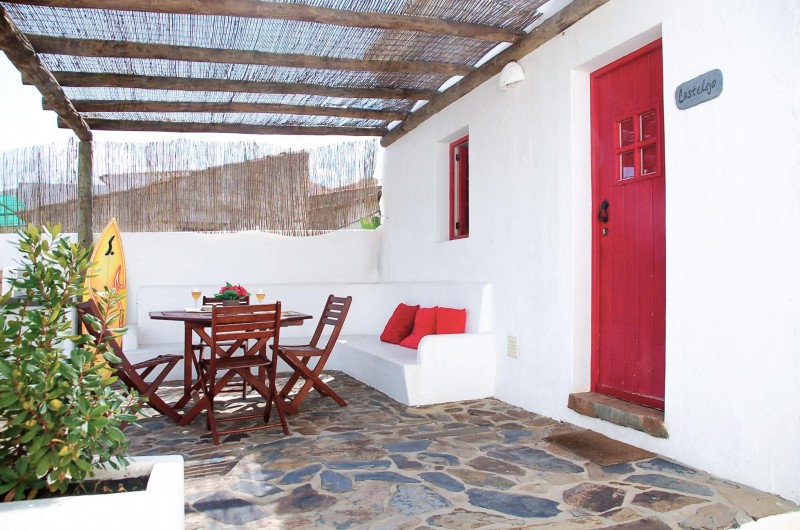
The entrance to a house in Aldeia da Pedralva
He continues: “It’s the ultimate form of sustainable tourism. We are not building new, imposing structures; we are breathing life back into existing ones, respecting the original architecture and the natural environment. It’s about regeneration, not just development. These projects act as powerful anchors for preserving local culture, traditions and stories that would otherwise be lost. They create jobs, support local artisans and give people a reason to return to their ancestral homes.”
This version of Pedralva began in 2010, when António Ferreira stumbled across the remains of a village on the verge of disappearing, with only six residents left. He and his family spent more than a decade working to restore its life and dignity. “They saw the soul of the place beneath the rubble and felt a responsibility to honor the generations who had lived there,” explains Constantino. “It was an incredibly personal and passionate endeavor to give the village a future as vibrant as its past.”
That meant becoming detectives, historians and diplomats as they tracked down dozens of owners and heirs. Ferreira had to convince them that he wasn’t just another real estate developer looking to cash in on an increasingly luxury-fied coast—that he was looking to honor their family’s history, not erase it. (HUB is continuing this work on more ruins around the village.)
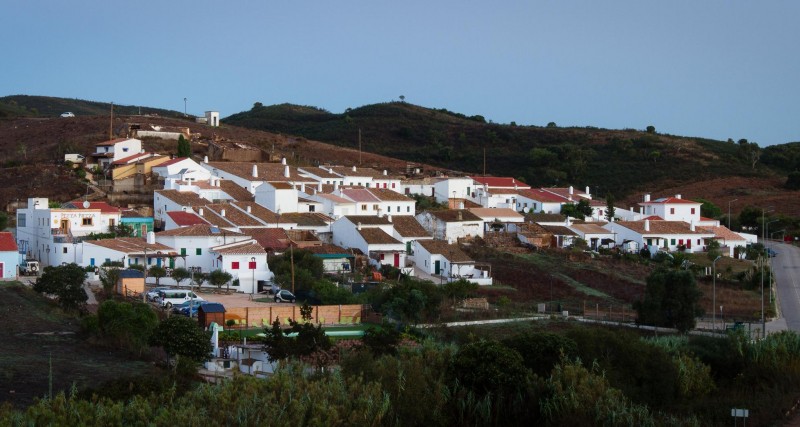
Aldeia da Pedralva
Now the village has a bakery, pizzeria and restaurant that complement visitors’ experience of rural Portuguese life. There’s also a professional reception team, housekeeping and concierge services to manage the vacation side of things, but Constantino says the hotel polish is held in check. “Our vision for Pedralva is one of careful, respectful evolution,” he says. “We are not here to change its soul but to amplify its magic.”
That amplification involved some negotiation with the municipality. As Constantino says, “Initially, the concept of a private entity buying and restoring an entire village for tourism was groundbreaking for the region.” With time, the local government came to see the project’s “potential for establishing a landmark example of responsible tourism.”
It’s not the only one. Although Portugal’s village tourism projects don’t have the collective marketing muscle of Italy’s alberghi diffusi, a growing number are taking root, such as Casas do Côro and Casas do Juízo in the country’s central region, Aldeia de Pontes in the Peneda-Gerês natural park, Aldeia da Mata Pequena near Lisbon and Aldeia de São Gregório in the Alentejo. There are also regional tourism bodies such as Aldeias Históricas de Portugal and Aldeias do Xisto, which promote networks of historic and schist villages.
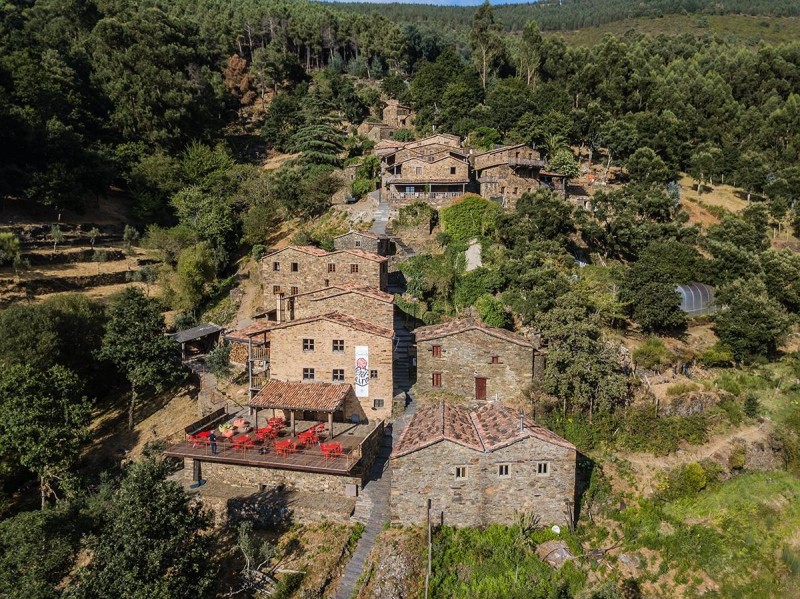
Cerdeira
Amid the Aldeais do Xisto in the Serra da Lousã mountains of central Portugal, Cerdeira is another example of tourism that’s additive rather than extractive. This time, it was almost accidental.
German wood sculptor Kerstin Thomas was studying Portuguese at the University of Coimbra in 1988 when she came across the ruins of a 17th-century schist village. She wasn’t interested in tourism; she just wanted a place to make art. She restored one of those houses to use as a studio, then invited like-minded friends, who also liked restoring the houses, and things grew organically.
Among those friends were Portuguese entrepreneurs José and Natália Serra, who helped create the tourism project. This now includes ten restored houses within a larger village, and since 2018, its name has been Cerdeira—Home for Creativity because it has world-class art studios, particularly for ceramics, and attracts teachers and students from around the globe.
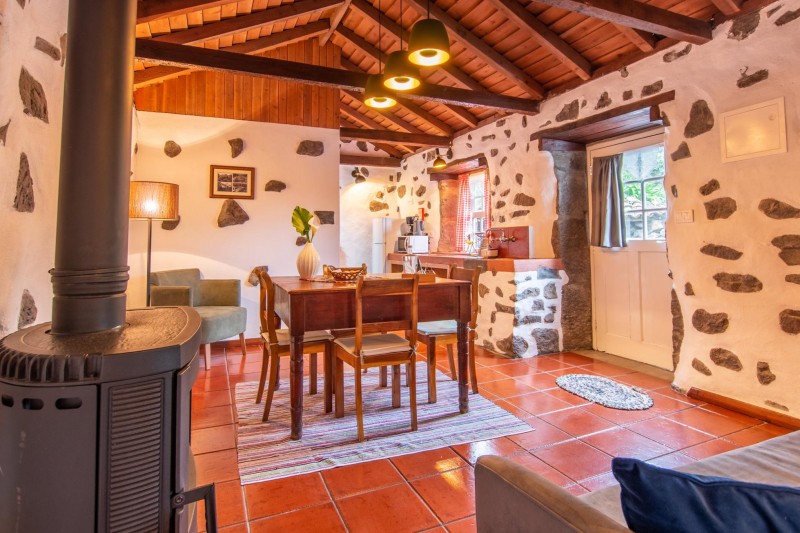
Aldeia da Cuada
“The idea was to make something that goes on in the future—not something that you just put money in and then if nobody cares, everything falls down,” says Thomas. The aim was to create something that younger people would want to continue. And it worked. José and Natália’s daughter Catarina began coming to Cerdeira when she was 4; now she’s the general manager of this incarnation.
Far away, in the most remote point in Portugal, another project had a more intentional beginning. Aldeia da Cuada is the rebirth of a small village on Flores island in the Azores. It was all but abandoned by the 1980s, when thousands of Azoreans emigrated.
Teotónia and Carlos Silva bought their first ruined house around 1990, and since then, they’ve acquired the whole little village, always with sensitivity in their negotiations with former residents’ heirs. They restored them by “respecting the original architecture and maintaining the spirit of the place,” says their daughter Carlota, who now runs the operation with her husband, Sílvio.
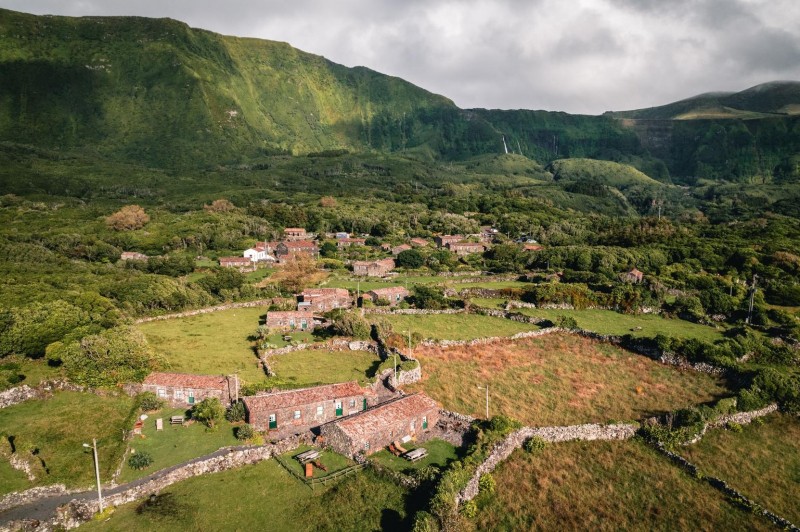
Aldeia da Cuada
The project grew gradually to its current size of 16 houses spread around the old stone pathways, along with a reception team, heated swimming pool and restaurant. “We say this project was not born from a business plan, but from a deep desire to bring life back to a special place,” says Carlota. “Over time, Aldeia da Cuada became an example of how it is possible to recover heritage, attract quality visitors and create employment opportunities without compromising the island’s balance.”
She adds, “The idea of restoring the space for tourist accommodation, respecting the shapes, materials and spirit of the place, allowed us to create a unique experience where visitors are not just guests—they are part of a place with history. Each house is unique, rebuilt with local stone, with details that preserve the memory of what existed there. Here, luxury is not in modern finishes, but in the silence, the sea view, the sound of birds at the end of the day, the feeling that time slows down.”
ForbesLake Orta’s Hidden Gem Hotel: La Darbia Blends Nature, Craft And CalmForbesSpain’s Finca La Donaira Is Reinventing The Luxury Hotel In AndalusiaForbesThe Lodge Mallorca Brings New Relaxed Luxury To A Busy Spanish Island