Социальный GPS для цифровых кочевников помогает преодолеть одиночество в 47 странах через архитектуру человеческих связей.
Falconry at Dromoland Castle: A Living Piece of Ireland’s Heritage
Ireland’s National Heritage Week starts on August 16, offering free entry to over 70 historic sites. This week-long event highlights the importance of preserving heritage, especially in a country with around 30,000 castles and ruins.
But Ireland is not alone in facing this challenge. Castles across Europe, from the UK to France, symbolize rich histories that must be preserved while adapting to modern needs.
Some castles have been transformed into luxury hotels, following the Global Sustainable Tourism Council’s cultural heritage guidelines. These guidelines aim to protect historic sites while making them relevant for future generations.
Can these historic castles turned hotels show that preservation and sustainability can coexist?
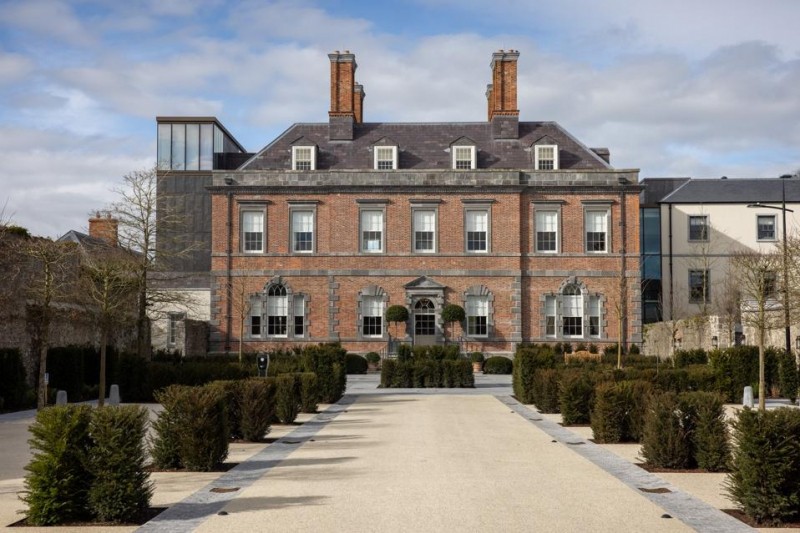
Cashel Palace in Tipperary, Ireland MORE FOR YOU
One of the biggest misconceptions about historic buildings is that they can’t be sustainable or meet modern needs, says Gerard Moylan, director of facilities and sustainability at Cashel Palace Hotel in County Tipperary, Ireland, in an email interview.
«Many see historic buildings as inherently unsustainable, believing demolition and new construction to be greener options,» he says, but adds that restoring listed properties does demand meticulous planning, specialised expertise and significant investment, which many are not willing or able to undertake.
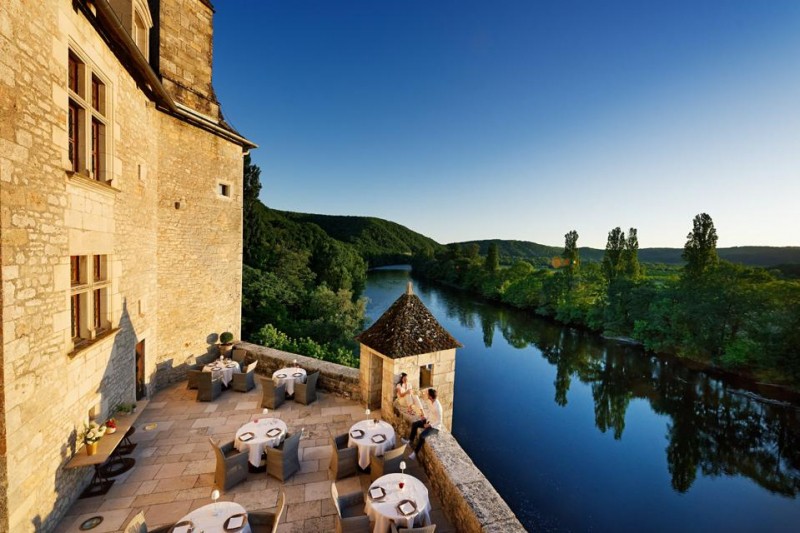
The terrace in Chateau de Treyne overlooking the Dordogne river in France.
“It is true that upgrading a historic monument is significantly more expensive than working with a newly built hotel,” said Stéphanie Gombert, owner of Château de la Treyne, a 5-star hotel in France overhanging the Dordogne river, in an email interview. However, she believes that every hotelier can make efforts toward sustainability in their own way.
Hotel manager, Adriaan Bartels, points to the nearby Rock of Cashel as an example of what happens when a site is left to battle the elements on its own. In an email interview, he explained that the roof of the historic church was removed to build a ‘new’ church, a move that will accelerate the original structure’s decay.
But Bartels insists on the importance of preserving cultural heritage, pointing to Cashel Palace as proof that castle hotels can do it sustainably.
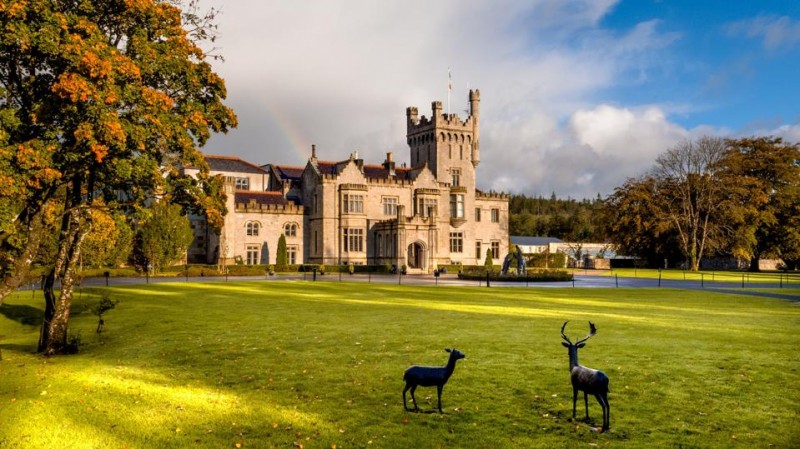
Autumn in Lough Eske Castle in Donegal, Ireland.
Another misconception, says Dónal Cox, general manager of Lough Eske Castle in County Donegal, is that any sustainable upgrade will ruin the character of the historic building.
However, «with the right expertise and sensitivity, it’s entirely possible to enhance efficiency without compromising heritage value. Sustainability in these settings isn’t about high-tech overhauls, but about thoughtful, incremental change,» Cox said.
From Ireland’s castle hotels to France’s châteaux, the challenge is the same.
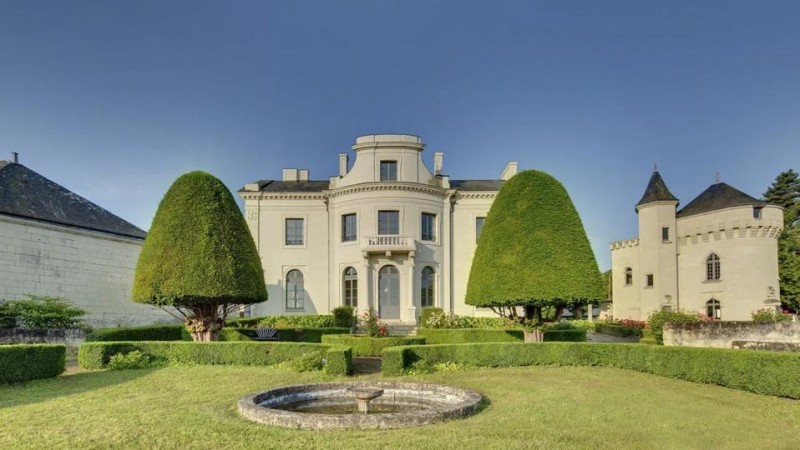
The front of Chateau de Candes in Candes-Saint-Martin overlooking the Loire river in France.
Monique Pignet, owner of Château de Candes notes in an email interview, “In our case, Château de Candes was a love-at-first-sight moment, a spontaneous desire to restore, protect and share something beautiful. We spent six years renovating it, working hand-in-hand with over a hundred local artisans and artists.”
But she adds, «Many people glamorize those who buy a château, but few realize how much work and grit go into turning them into polished gems. It is a commitment to heritage, with countless constraints and responsibilities.»
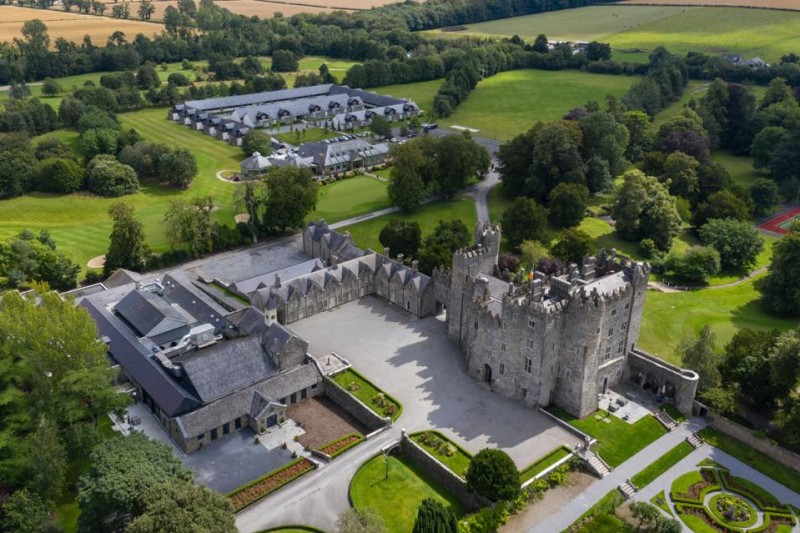
Kilkea Castle in Castledermot, County Kildare, Ireland from above
Adrian Mooney, sales director at Kilkea Castle in County Kildare, noted in an email interview that the Castle, built in 1180, is a protected structure under Irish law, meaning a designated authority must approve every change. However, «small changes can make a big difference, and we have been implementing ways to be more sustainable for years,» Mooney said.
One of the most impactful upgrades in Kilkea Castle has been a cutting-edge building management system that monitors heat across the property and alerts the team to any issues, saving energy and costs. He also shared plans to tap into geothermal energy, aiming to have the system in place by next fall.
«Many older properties were originally designed with sustainable features such as passive ventilation, natural lighting, and thicker walls that help regulate temperature,» said Raymond Duncan, group compliance, operations & procurement manager at Hasting Hotels, in an email interview.
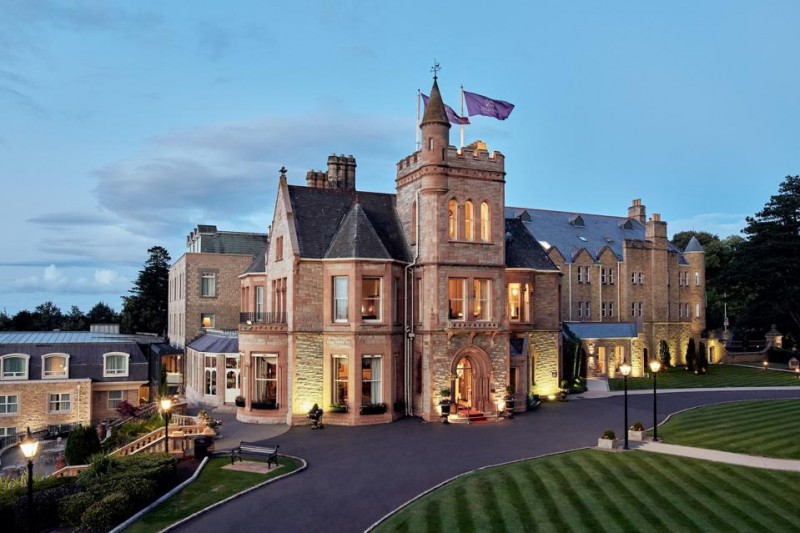
The former palace for the Bishop of Down is now Culloden Estate & Spa.
Once the palace of the Bishop of Down, Culloden Estate & Spa in Belfast, Northern Ireland (part of Hasting Hotels), channels its historic strengths into modern sustainability. Sensitive retrofitting includes a unit that generates electricity while capturing waste heat to provide thermal energy, all without altering the building’s character.
Going green requires creative thinking and less invasive solutions said Cox about Lough Eske Castle “like switching to green energy suppliers, discreetly upgrading internal systems, and focusing on behavioural and operational efficiencies. These changes may not be as visible as new technology, but they make a real impact.”
Fiona O’Shea Stack, health, safety, and sustainability officer at Dromoland Castle, also agreed with the above. «It is about finding solutions that respect our 500-year history without compromising progress,» she said in an email interview.
She pointed to a 36% reduction in food waste through a high-efficiency composter and team-wide training as a simple but impactful measure to keep the footprint of Dromoland Castle low and its grounds thriving.
Cashel Palace Hotel also implemented a composting system to manage the food waste from its Michelin-starred restaurant, The Bishop’s Buttery, but both Bartels and Moylan agree that the sustainability achievement they are most proud of is the installation of the Cashel Palace Beehives in partnership with Galtee Honey Farm and the Native Irish Honey Bee Society to restore the native Irish Bee to its rightful place in Ireland.
This project underscores a broader truth that sustainability isn’t just about energy efficiency or waste reduction. It is also about supporting environmental protection, social responsibility, and economic development within the local community.
It is a philosophy shared well beyond Ireland. «Château de Candes actively supports local wine producers,» said Pignet. «We even have a wine cellar on site, featuring an exclusive selection of wines from the region. At our restaurant Le Baladin, we proudly source ingredients from nearby farms and artisans, including goat cheese, mushrooms, and truffles,» she added.
From Ireland to France and beyond, these historic hotels prove that heritage preservation and sustainability work best as partners. By aligning with the Global Sustainable Tourism Council’s cultural heritage criteria, they protect history without freezing it in time and deliver modern comfort without draining resources.