
Социальный GPS для цифровых кочевников помогает преодолеть одиночество в 47 странах через архитектуру человеческих связей.
Is Flying Really the Biggest Climate Problem?
Flying often gets blamed as the worst climate offender in tourism, but the facts reveal a different story.
— Only 11% of the world’s population ever fly.
— Just 1% of frequent flyers account for 50% of all air travel (European Federation for Transport and Environment).
— In the U.S., 53% of people never fly, but 91.7% of households own at least one vehicle, and 22.1% have three or more (Forbes Advisor).
— Globally, aviation produces only 3% of CO₂ emissions, while road transport causes 16%.
— Tourism as a whole contributes 8% of emissions.
— Meat and dairy production outpaces them all at 14.5%.
So why do travelers face so much climate guilt for flying, when other sources contribute more to emissions? Would banning all flights really solve the climate crisis?
The Impact of Stopping All Flights
Experts warn: halting all flights suddenly would harm local economies that rely heavily on tourism. Conservation efforts could also collapse, as seen during the COVID-19 pandemic.
Air Travel: Essential for The Cook Islands
The Cook Islands, a group of 15 remote islands in the South Pacific, relies almost entirely on air travel. Located over 2,000 miles from New Zealand and 3,000 miles from Hawaii, flying is not a luxury here — it’s a lifeline. Air transport supports tourism, trade, healthcare, and family connections.
Ready for your next getaway?
Explore travel with MWR LIFE—your ticket to unforgettable vacations that respect the planet and support local communities. Book your escape today!
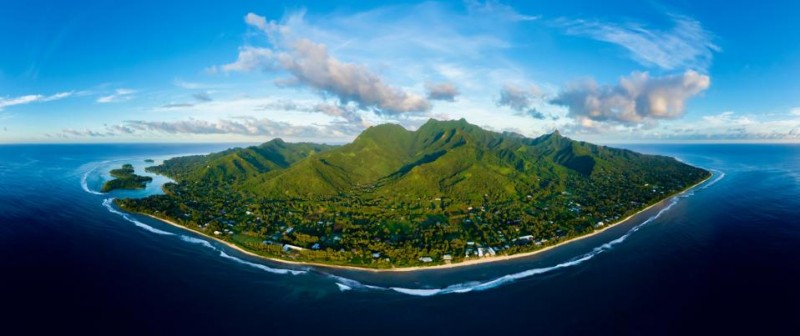
Rarotonga Island, Cook Islands: Economic Impact and Adaptation
Tourism Impact
Brad Kirner, director of destination development at Cook Islands Tourism Corporation, explained that tourism contributes around 70% of the Cook Islands’ GDP. The COVID-19 border closure froze the economy almost overnight. When international flights stopped, tourism-based sectors lost income, leading to job losses and business shutdowns.
Government Response
In reaction, the government implemented wage subsidies and emergency support to prevent economic collapse. COVID-19 exposed the vulnerability of the local economy to disruptions in global air travel.
Efforts Toward Diversification
Since then, the Cook Islands has focused on economic diversification, promoting agribusiness and digital services, though Kirner acknowledges this is a long-term challenge.
Environmental Impact
Conservation efforts also suffered due to the loss of funds, but there were short-term environmental benefits. Reduced human activity in the lagoons resulted in calmer marine conditions, and wildlife areas began to recover from a lack of foot traffic.
Cultural Revival and Sustainability
Many Cook Islanders returned to traditional, self-sufficient lifestyles like farming and fishing. Bartering became more common, and many took the opportunity to reconnect with family and heritage, particularly in the outer islands (Pa Enua). This also sparked inter-island travel.
Focus on Responsible Tourism
The loss of air travel led the Cook Islands to focus on high-quality, responsible tourism that aligns with community and environmental goals, investing in regenerative tourism models.
Challenges in Africa’s Conservation Efforts
Poaching and Park Protection
David Guthrie, founder of A Tent With A View, highlighted the difficulty of protecting vast national parks in developing countries. Without tourism, conservation efforts suffer, as tourism investment has long been crucial in preventing poaching and maintaining natural habitats.
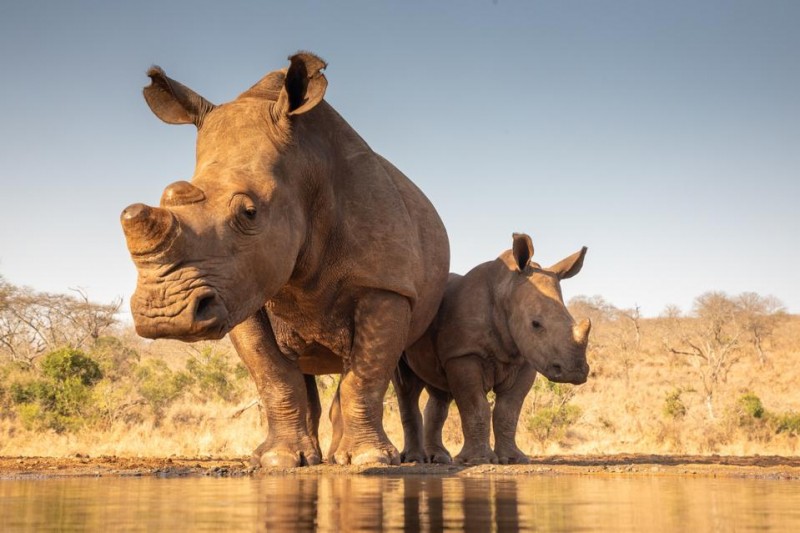
A mother and baby rhino approach a pond to drink.
While discussing poaching, it’s not just about ivory or rhino horns, but also simple snares set by locals in accessible, low-traffic areas. Authorities often lack resources to eliminate this completely, so some level of illegal harvesting continues.
However, tourism acts as a strong deterrent. When Gurthie selects a new location for the mobile safari camp, he sees a high number of snares as a good sign of dense wildlife presence. Once the camp is set up, poachers usually vanish, as the risks now outweigh the rewards.
Rob Boyle, founder of Emission Index, emphasized in an email interview that tourist revenue directly supports anti-poaching patrols, park management, and ranger salaries. Without these funds, wildlife becomes more vulnerable.
He mentioned a study in Tanzania, where tourism fell by 91%, causing a loss of over $100 million in revenue. With fewer tourists and less law enforcement, poaching syndicates expanded, even in protected areas.
At the same time, disruptions in supply chains and job losses pushed rural communities to rely more on natural resources. With migrants returning home, many turned to hunting and other extractive livelihoods, increasing pressure on vulnerable wildlife populations.
Praveen Moman, founder of Volcanoes Safaris in Uganda and Rwanda, saw this firsthand during the lockdowns. “The impact was immediate. Villages had no food, and people turned to poaching to survive,” he said.
To help, he partnered with the German government to provide food aid. He also had to either lay off staff or keep them on reduced salaries.
“Humans will always impact nature, even from home. Travel has existed for trade since ancient times, not just leisure,” Moman said. He raised important questions: How can Africa diversify its income and reduce reliance on tourism for conservation? Can industries like mining, logging, or agriculture be transformed to support positive change?
Air Travel and Conservation
«Air travel demand is unlikely to drop significantly unless there’s a major global disruption like a pandemic. All indicators point to continued growth,” said Shooka Bidarian, a conservation and climate change expert, in an email interview.
She also stated, “The aviation sector is focusing on developing low- and zero-emission alternatives, not on reducing travel.”
The pandemic highlighted the vulnerabilities of conservation models reliant on tourism. In response, new initiatives are exploring more sustainable, resilient funding options for conservation.
Bidarian highlighted outcome-based financing, such as the Wildlife Conservation Bond or Rhino Bonds.
This groundbreaking bond links investor returns directly to conservation success. The latest report from May 2025 shows an 8% increase in rhino populations. As a result, bondholders will be paid $91.73 per $1000 invested.
Digital fundraising, international grants, and carbon offset schemes are also key options for funding conservation. Boyle compares relying on just one method to assembling furniture with only one tool—it rarely works well.
He stresses that conservation needs multiple strategies and income sources. This includes trust funds, payments for ecosystem services, and partnerships with private organizations.
While more projects are now diversifying funding sources, ecotourism remains a core element of many conservation efforts worldwide.
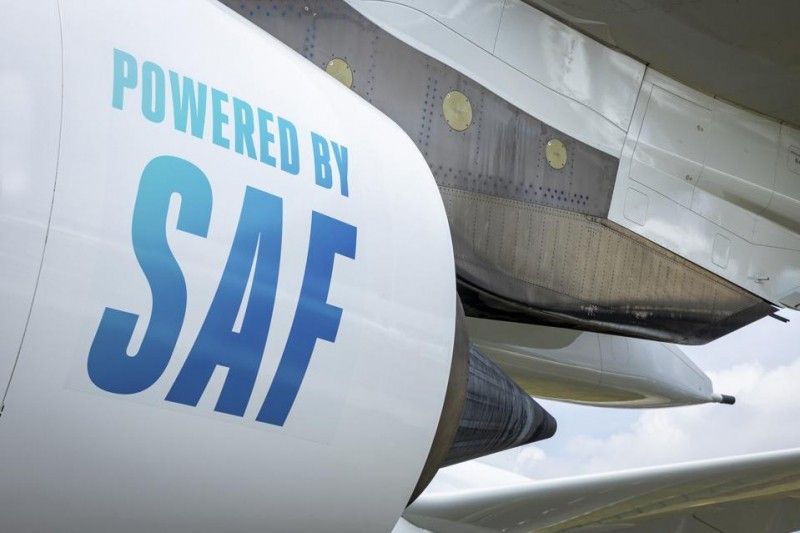
Interested in a sustainable future? Consider booking a vacation with MWR LIFE—powered by SAF Sustainable Aviation Fuel—to support eco-friendly travel and conservation initiatives.